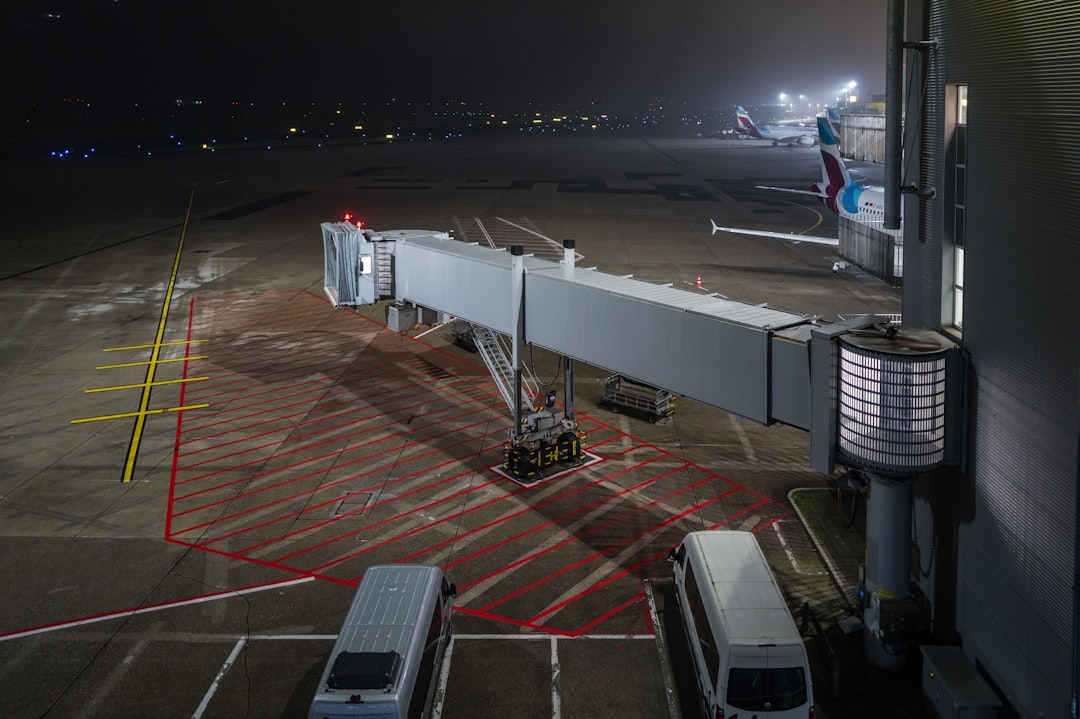
Efficient aircraft turnaround is one of the most critical performance indicators in modern aviation. Every minute an aircraft sits on the ground affects airline profitability, customer satisfaction, and airport capacity. To meet increasingly tight schedules, airports and ground handling teams rely on specialized tools that streamline operations, reduce human error, and improve coordination across multiple service providers. From digital management systems to high-speed ground support equipment, the right tools can dramatically shorten turnaround times without compromising safety.
TLDR: Airport turnaround time directly impacts airline profitability and operational efficiency. Modern ground handling relies on smart software systems, advanced communication tools, high-performance ground support equipment, and real-time tracking technologies. These tools help streamline coordination, reduce delays, and improve safety. Investing in the right combination ensures faster departures and better on-time performance.
Turnaround time includes all activities performed between an aircraft’s arrival at the gate and its next departure. These activities include passenger disembarkation and boarding, baggage handling, fueling, catering, cabin cleaning, technical inspections, and cargo transfers. Managing these simultaneously requires precision, coordination, and dependable equipment. Below are four essential airport ground handling tools that significantly improve turnaround performance.
1. Ground Handling Management Software
Digital transformation has revolutionized airport ground operations. Ground Handling Management Software (GHMS) acts as the central command system that synchronizes tasks, employees, timelines, and service providers.
Traditionally, turnaround coordination relied heavily on radio communication and manual paperwork. This often resulted in miscommunication, delayed handoffs, and inefficient resource allocation. Modern GHMS platforms solve these issues by:
- Providing real-time task tracking
- Automating staff scheduling
- Integrating flight data updates instantly
- Generating performance analytics and delay reports
Supervisors can view dashboards that highlight bottlenecks, late task completions, or equipment shortages. By identifying these issues early, corrective action can be taken before departure times are compromised.
Image not found in postmetaAnother advantage is predictive analytics. AI-driven systems analyze historical turnaround performance to forecast potential risks, such as staffing shortages during peak hours or delays caused by adverse weather conditions. This proactive approach allows teams to prepare mitigation strategies well in advance.
Ultimately, management software improves communication between airlines, ground handlers, gate agents, and airport authorities, ensuring seamless task orchestration.
2. Advanced Ground Support Equipment (GSE)
While digital tools manage coordination, physical operations depend heavily on Ground Support Equipment (GSE). These vehicles and machines directly impact how fast an aircraft can be serviced.
Key examples include:
- Belt loaders for quick baggage loading and unloading
- Pushback tractors for timely aircraft repositioning
- Ground power units (GPU) to supply electricity while engines are off
- Air conditioning units for cabin climate regulation
- Aircraft refueling trucks with high-speed pumping systems
Modern GSE is designed with efficiency and sustainability in mind. Electric and hybrid vehicles reduce emissions while delivering consistent performance. High-capacity belt loaders and container loaders minimize manual handling and accelerate cargo operations.
Automation is also becoming more common. Some airports now use semi-autonomous baggage tractors that follow predefined routes between aircraft and cargo terminals. This reduces driving errors and allows staff to focus on higher-priority tasks.
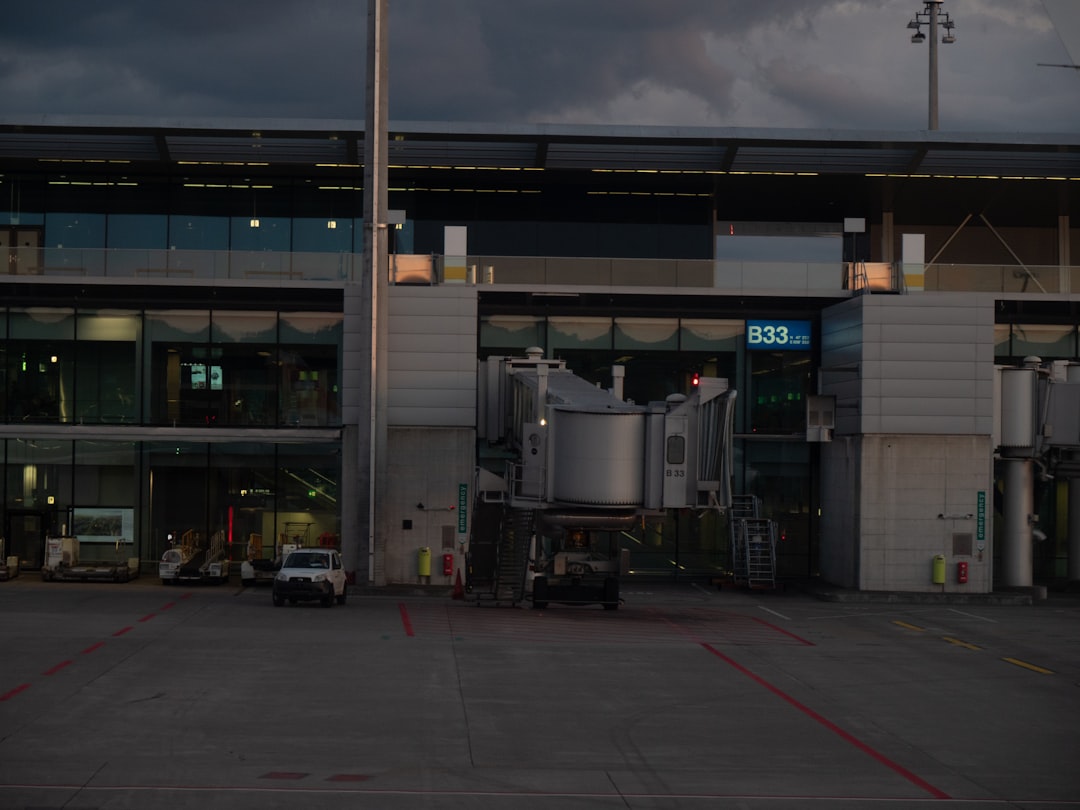
Preventative maintenance tracking systems further enhance effectiveness. Sensors built into equipment monitor engine health, battery status, and usage hours. Real-time alerts prevent unexpected breakdowns that could delay departures.
3. Real-Time Communication and Coordination Tools
Turnaround operations involve multiple teams working simultaneously under strict time pressures. Reliable communication ensures everyone stays aligned.
Modern ramp operations use a combination of:
- Rugged mobile devices and tablets
- Push-to-talk digital radios
- Task management mobile applications
- Collaborative cloud-based platforms
Instead of relying solely on traditional radio chatter, task updates can now be acknowledged digitally. For example, once fueling is completed, the task status automatically updates in the central system, notifying the crew that the next activity can begin.
Real-time flight updates are equally critical. If an inbound aircraft arrives late, ground crews instantly receive revised schedules. This minimizes confusion and prevents unnecessary standby time.
Additionally, some airports use wearable devices that provide vibration alerts or visual instructions, allowing staff to receive updates even in noisy ramp environments.
Improved communication reduces idle time between tasks—a common source of extended turnarounds. When teams work with instant, shared information, overlap and downtime are significantly reduced.
4. Baggage and Cargo Tracking Systems
Baggage and cargo operations are among the most time-sensitive elements of turnaround. Delays in loading or unloading can halt departures.
Advanced tracking systems use:
- Barcode scanning technology
- RFID (Radio Frequency Identification)
- Automated sorting conveyors
- Real-time container tracking software
RFID technology has been particularly transformative. Tagged baggage pieces transmit location data throughout the airport, allowing handlers to track every bag from check-in to aircraft hold. This reduces loading errors, misplacements, and last-minute searches that waste valuable time.
Cargo containers are also scanned and tracked automatically upon arrival. Load control teams receive digital confirmations once containers are properly secured inside the aircraft.
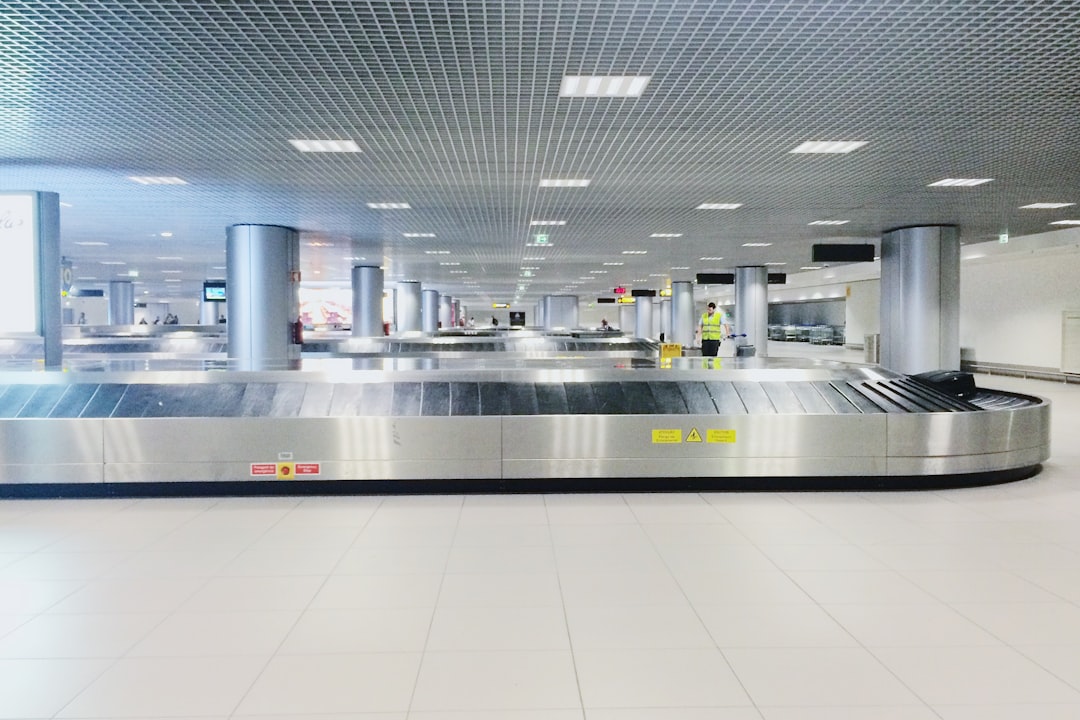
Data collected from these systems enables airports to analyze peak baggage flow times and optimize staffing accordingly. Faster baggage handling directly correlates with reduced ground time and improved on-time departures.
Comparison Chart: Key Ground Handling Tools
| Tool | Primary Function | Main Benefit | Impact on Turnaround Time |
|---|---|---|---|
| Ground Handling Management Software | Central task coordination and scheduling | Reduces miscommunication and delays | High – Improves overall workflow efficiency |
| Advanced Ground Support Equipment | Physical aircraft servicing | Speeds up loading, fueling, and pushback | High – Directly shortens service time |
| Communication Tools | Real-time team coordination | Minimizes idle time between tasks | Medium to High – Enhances synchronization |
| Baggage and Cargo Tracking Systems | Monitoring luggage and freight flow | Prevents loading errors and delays | Medium – Optimizes baggage handling efficiency |
Why These Tools Matter More Than Ever
Air passenger demand continues to grow globally, while airport infrastructure expansion often lags behind. Faster and more efficient turnarounds allow airports to accommodate more flights without adding new gates or runways.
For airlines, shorter ground times mean:
- Better aircraft utilization
- Lower operational costs
- Improved on-time performance metrics
- Higher customer satisfaction
However, speed must never compromise safety. The integration of digital monitoring systems and automated alerts ensures that safety checks are completed systematically before departure clearance is granted.
The combination of smart software, upgraded equipment, strong communication systems, and precision tracking creates a synchronized turnaround ecosystem. When properly integrated, these tools transform what used to be complex, manual workflows into streamlined, data-driven processes.
Frequently Asked Questions (FAQ)
1. What is airport turnaround time?
Airport turnaround time refers to the total time an aircraft spends on the ground between landing and its next takeoff. It includes unloading, cleaning, refueling, catering, boarding, and safety checks.
2. Why is reducing turnaround time important?
Shorter turnaround times allow airlines to operate more flights per day, increase revenue, reduce delays, and improve overall operational efficiency.
3. How does technology improve turnaround performance?
Technology enhances coordination through real-time tracking, automated task management, predictive analytics, and advanced communication systems, minimizing delays caused by miscommunication or resource shortages.
4. Can automation fully replace ground handling staff?
No. While automation improves efficiency and reduces errors, skilled human operators remain essential for safety checks, equipment operation, and decision-making in dynamic situations.
5. What role does predictive maintenance play in turnaround management?
Predictive maintenance systems monitor equipment health using sensors and data analytics. This prevents unexpected breakdowns of ground support equipment that could cause departure delays.
6. Are electric ground support vehicles beneficial for turnaround times?
Yes. Electric GSE often requires less maintenance, operates more quietly, and reduces fuel handling logistics, contributing to smoother and more reliable operations.
In today’s competitive aviation landscape, effective turnaround management is no longer optional—it is fundamental. Airports and airlines that invest in the right ground handling tools position themselves for operational excellence, financial efficiency, and sustained growth.