
Managing social media across multiple platforms has evolved from a simple publishing task into a complex operational discipline. Brands are now expected to deliver consistent messaging, optimized timing, and real-time responsiveness across channels such as Facebook, Instagram, LinkedIn, X, TikTok, Pinterest, and more. Without structured systems in place, this complexity quickly leads to missed opportunities, inconsistent branding, and operational inefficiencies. This is where social media scheduling platforms play a vital role.
TLDR: Social media scheduling platforms enable organizations to plan, automate, and analyze posts across multiple channels from one centralized dashboard. They improve consistency, save time, support collaboration, and provide actionable performance insights. Choosing the right platform depends on business size, integration needs, analytics requirements, and team workflows. When used strategically, these tools shift social media from reactive posting to structured digital strategy.
Modern scheduling platforms are more than simple calendars. They integrate analytics, approval workflows, asset management, and performance tracking into unified systems that support both small teams and enterprise-level operations.
Why Social Media Scheduling Platforms Matter
Organizations today face three primary challenges:
- Volume: Posting consistently across multiple platforms.
- Timing: Optimizing publish times for maximum reach.
- Coordination: Managing team collaboration and approvals.
Without automation and planning tools, teams rely heavily on manual posting. This increases the likelihood of inconsistency and errors. Scheduling platforms address these gaps by centralizing control.
Core benefits include:
- Centralized content calendar
- Cross-platform publishing
- Automated scheduling
- Performance analytics
- Team collaboration features
- Content asset management
Instead of logging into multiple apps each day, social media managers operate from one unified dashboard. This significantly reduces time spent on repetitive tasks.

Key Features to Look For
Not every scheduling platform offers the same depth of functionality. When evaluating options, decision-makers should consider the following critical features.
1. Multi-Channel Publishing
The primary purpose of these tools is to publish across several networks simultaneously. Effective platforms allow customized captions, hashtags, and image formatting per platform while managing everything from one interface.
2. Visual Content Calendar
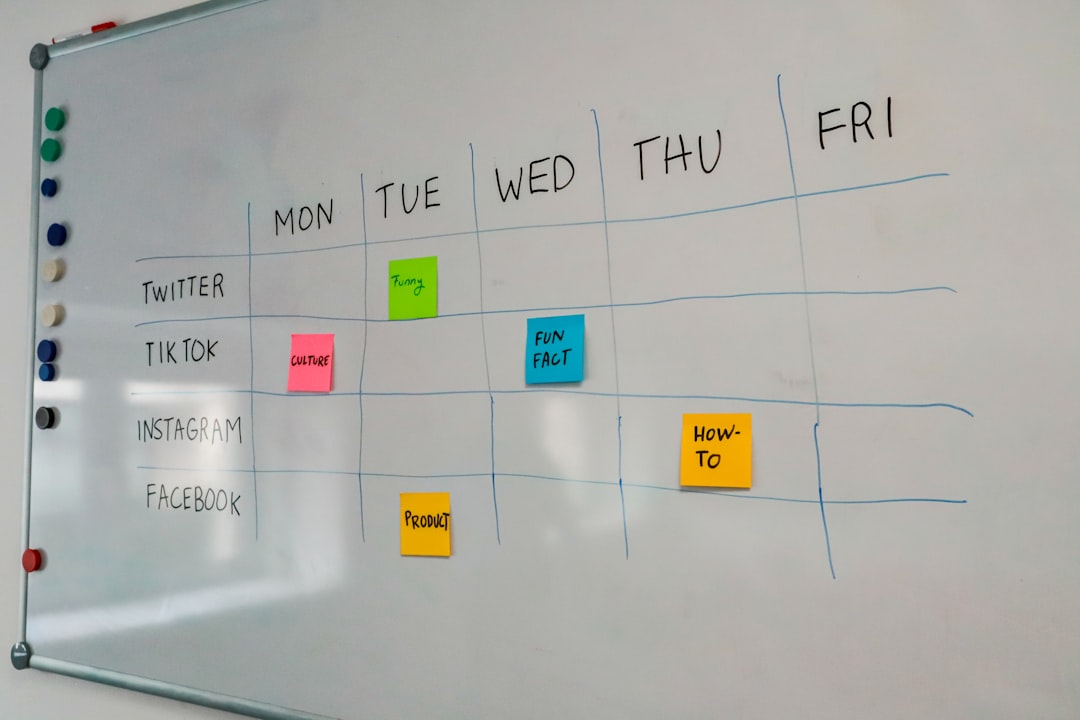
A strong calendar view provides clarity on posting frequency, campaign overlap, and content gaps. Drag-and-drop functionality improves agility and campaign adjustments.
3. Automated Scheduling and Queues
Automation allows posts to be spaced intelligently according to optimal times. Some tools recommend publishing windows based on historical performance.
4. Analytics and Reporting
Data transparency is critical. Platforms should offer metrics such as:
- Engagement rate
- Reach and impressions
- Click-through rates
- Follower growth
- Conversion tracking
Advanced enterprise-level tools also allow custom report generation for stakeholders.
5. Collaboration Tools
For larger teams, approval workflows reduce the risk of off-brand messaging. Permissions, comment logs, and version history enhance accountability.
6. Asset Libraries
Centralized media storage ensures brand consistency and avoids repetitive uploading.
Leading Social Media Scheduling Platforms
Several established tools dominate the market. Each offers different strengths depending on organizational needs.
1. Hootsuite
One of the most recognized platforms, Hootsuite supports a wide range of social networks and provides comprehensive reporting capabilities. It is well-suited for large teams needing structured workflows.
2. Buffer
Buffer is known for its simplicity and ease of use. It is particularly attractive to small and mid-sized businesses seeking straightforward scheduling without excessive complexity.
3. Sprout Social
Sprout Social combines scheduling with advanced analytics and CRM-style features. It is a strong option for brands prioritizing customer engagement data alongside posting.
4. Later
Later focuses heavily on visual planning, making it ideal for Instagram-first strategies and e-commerce brands with strong visual content needs.
5. SocialBee
SocialBee emphasizes content categorization and recycling, allowing businesses to maximize the lifespan of evergreen posts.
Comparison Chart
| Platform | Best For | Analytics Depth | Collaboration Features | Ease of Use |
|---|---|---|---|---|
| Hootsuite | Enterprise teams | High | Advanced workflows | Moderate |
| Buffer | Small businesses | Moderate | Basic | High |
| Sprout Social | Data-driven brands | Very high | Advanced | Moderate |
| Later | Visual campaigns | Moderate | Limited | High |
| SocialBee | Evergreen content strategy | Moderate | Moderate | High |
Strategic Implementation Best Practices
Using a scheduling platform effectively requires more than automation. It requires disciplined strategy and governance.
Establish Clear Posting Frameworks
Define frequency by platform. For example:
- LinkedIn: 3–5 posts per week
- Instagram: 4–7 posts per week
- X: Daily posting or multiple times per day
This ensures consistency without oversaturation.
Develop Content Pillars
Organize posts into categories such as:
- Educational
- Promotional
- Community-focused
- Behind-the-scenes
- User-generated content
Many scheduling tools allow tagging posts by category, which improves reporting clarity.
Batch Content Creation
Planning and creating content in batches—weekly or monthly—maximizes efficiency. Scheduling platforms support bulk uploading and CSV imports to streamline this process.
Analyze and Adjust
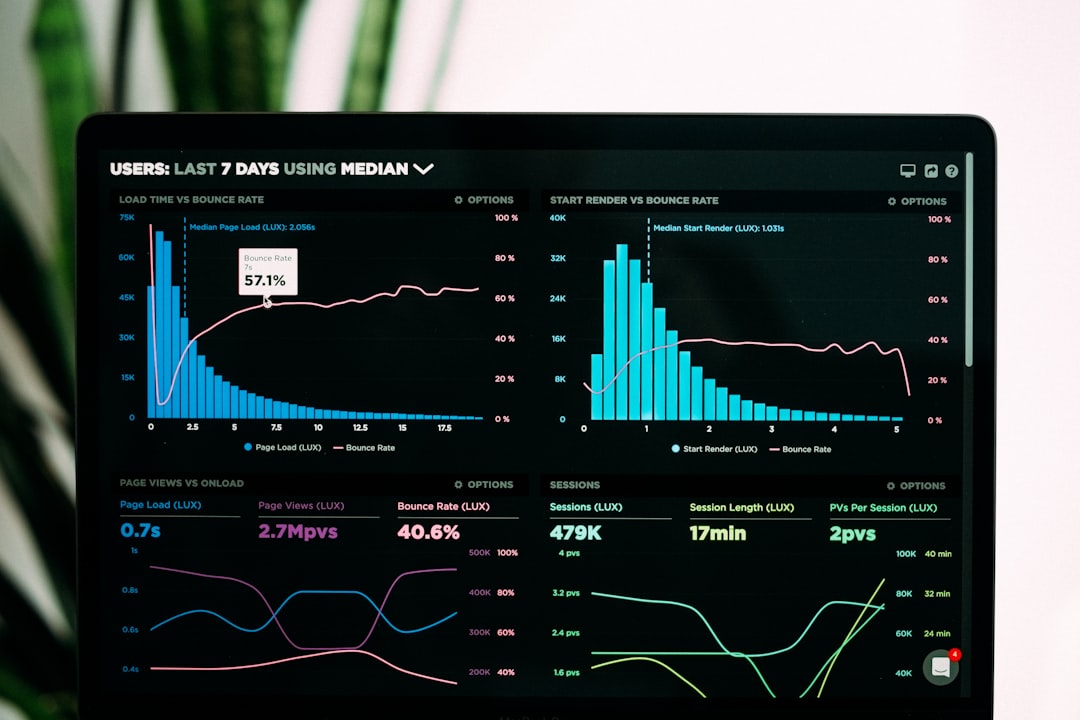
Scheduling without analysis limits growth. Regularly reviewing engagement metrics allows teams to refine posting times, formats, and messaging.
Operational and Risk Management Considerations
While automation is valuable, over-automation poses risks. Major global events or crises may require immediate content pauses. Reputable platforms allow:
- Global post suspension
- Real-time editing
- Immediate deletions
Organizations should assign monitoring responsibilities even when content is pre-scheduled. Automation must complement oversight, not replace it.
Security protocols are equally important. Enterprise-level scheduling systems often include:
- Two-factor authentication
- Role-based permissions
- Audit trails
These features reduce the risk of unauthorized publishing or data breaches.
ROI and Business Impact
The return on investment from social media scheduling platforms typically manifests in three measurable ways:
- Time Savings: Reduced manual publishing effort.
- Performance Gains: Optimized timing and improved engagement.
- Strategic Alignment: Enhanced brand consistency.
For agencies managing multiple clients, the efficiency gains compound quickly. A single dashboard can centralize dozens of brand accounts, significantly reducing operational overhead.
For in-house teams, clarity improves coordination between marketing, communications, and executive stakeholders.
The Future of Social Media Scheduling
The next evolution of these platforms incorporates artificial intelligence for:
- Caption generation
- Hashtag optimization
- Predictive engagement forecasting
- Sentiment analysis
AI-assisted content recommendations reduce guesswork, while predictive analytics refine timing strategies. However, strategic oversight remains essential. Algorithms assist; they do not replace human judgment.
Final Considerations When Choosing a Platform
Before selecting a scheduling tool, organizations should evaluate:
- Budget constraints
- Number of users
- Supported networks
- Analytics requirements
- Integration with CRM or email platforms
- Scalability potential
Decision-makers should request trial access whenever possible to assess usability and workflow compatibility.
Ultimately, social media scheduling platforms transform chaotic posting into structured strategy. They provide operational discipline, measurable performance tracking, and coordinated collaboration. In a digital environment where consistency and timing influence visibility algorithms, structured scheduling is no longer optional—it is foundational.
Organizations that treat social media as a strategic channel rather than an ad hoc communication outlet consistently outperform competitors. With the right scheduling platform in place, brands gain control, clarity, and measurable momentum across every digital channel they manage.