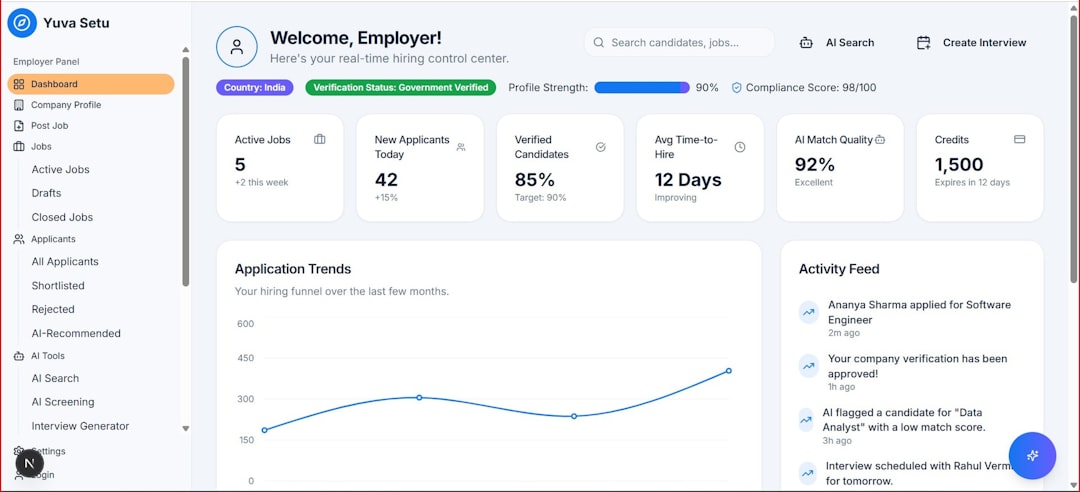
Affiliate marketing has evolved into a sophisticated performance channel where precision tracking is not optional—it is essential. Advertisers, networks, and publishers depend on accurate data to allocate budgets, optimize campaigns, prevent fraud, and scale high-performing offers. Without reliable tracking tools, performance insights become guesswork, commissions may be misattributed, and return on investment can quickly erode.
TLDR: Affiliate tracking tools allow businesses to accurately monitor clicks, conversions, and commissions across campaigns. The right platform provides real-time reporting, fraud protection, detailed attribution models, and automation capabilities. Selecting a trustworthy solution depends on your scale, integration needs, and reporting requirements. Investing in the proper tracking infrastructure protects revenue and enables sustainable growth.
Why Affiliate Tracking Tools Matter
Affiliate tracking tools function as the backbone of performance marketing operations. They record the customer journey from the first click to final conversion, ensuring affiliates receive proper credit and advertisers understand what drives results.
Modern tracking platforms go far beyond counting clicks. They deliver:
- Multi-channel attribution across desktop and mobile devices
- Real-time performance reporting
- Fraud detection and traffic validation
- Customizable commission structures
- Automated payouts and partner management
Without these capabilities, decision-makers lack visibility into campaign performance, which can compromise strategic planning and financial forecasting.
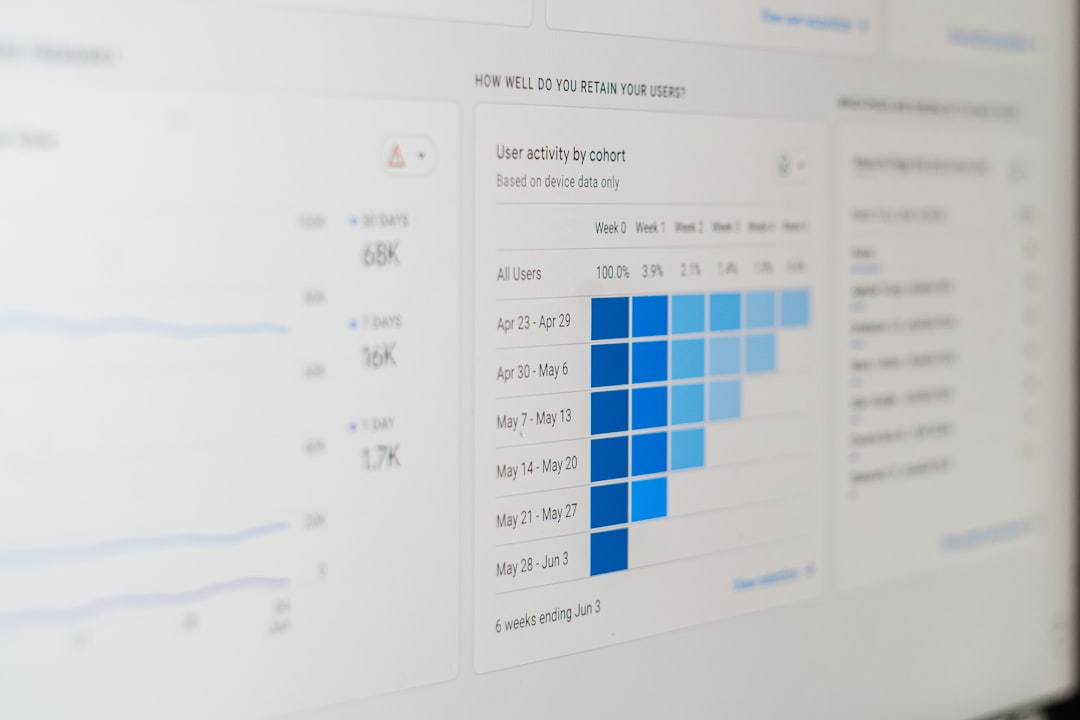
Core Features of Reliable Affiliate Tracking Software
Not all tracking platforms are created equal. A trustworthy solution should combine technical accuracy, strong security standards, and reporting flexibility.
1. Accurate Attribution Models
Attribution determines which affiliate receives credit for a conversion. Leading platforms support:
- First-click attribution
- Last-click attribution
- Linear attribution models
- Multi-touch attribution tracking
The ability to customize attribution ensures fairness and aligns incentives with your overall marketing strategy.
2. Real-Time Reporting
Timely insights are essential in performance marketing. Robust systems provide dashboards with live updates on:
- Clicks and unique clicks
- Conversion rates
- Earnings per click (EPC)
- Cost per acquisition (CPA)
- Return on ad spend (ROAS)
This data empowers teams to optimize campaigns before unnecessary budget leakage occurs.
3. Fraud Prevention Mechanisms
Affiliate fraud remains a significant concern. Advanced tools incorporate:
- IP filtering and blocking
- Bot detection algorithms
- Duplicate click filtering
- Suspicious activity alerts
These measures protect both advertisers and legitimate affiliates from revenue loss.
4. Seamless Integrations
A professional affiliate setup must integrate smoothly with:
- E-commerce platforms
- CRM systems
- Email marketing software
- Payment processors
- Analytics tools
Strong API access is often a sign of a mature, scalable tracking solution.
Types of Affiliate Tracking Tools
Affiliate tracking platforms generally fall into three categories:
- Self-hosted software – Installed on your server, offering high data control.
- Cloud-based SaaS platforms – Managed externally, offering convenience and scalability.
- Network-based systems – Built into affiliate networks that handle partner management.
Your choice depends on technical expertise, budget, compliance requirements, and data governance considerations.

Leading Affiliate Tracking Tools
Below are several widely respected affiliate tracking platforms known for reliability and performance monitoring capabilities:
1. Voluum
- Advanced tracking and analytics
- AI-driven optimization features
- Strong fraud detection tools
- Ideal for media buyers and performance marketers
2. Post Affiliate Pro
- Comprehensive affiliate management
- Custom commission structures
- Recurring commission support
- Suitable for SaaS and subscription businesses
3. CAKE
- Enterprise-level performance tracking
- Robust reporting infrastructure
- Real-time analytics
- Scalable for large affiliate networks
4. Tapfiliate
- User-friendly interface
- Cloud-based system
- Easy integration with e-commerce platforms
- Best suited for small to mid-sized businesses
5. Everflow
- Comprehensive partner management
- Cross-device tracking
- Strong fraud protection framework
- Enterprise-grade scalability
Affiliate Tracking Tools Comparison Chart
| Tool | Best For | Real-Time Reporting | Fraud Protection | Integration Flexibility | Scalability |
|---|---|---|---|---|---|
| Voluum | Media buyers | Yes | Advanced | Strong API | High |
| Post Affiliate Pro | SaaS and subscriptions | Yes | Moderate | Extensive | Moderate to High |
| CAKE | Large enterprises | Yes | Advanced | Enterprise-level | Very High |
| Tapfiliate | Small to mid-sized brands | Yes | Standard | Strong | Moderate |
| Everflow | Growing networks | Yes | Advanced | Robust | High |
Key Metrics to Monitor in Affiliate Campaigns
Even the most sophisticated tracking tool must be paired with disciplined performance measurement. Critical metrics include:
- Conversion Rate (CR) – Percentage of visitors who complete the desired action.
- Earnings Per Click (EPC) – Affiliate-level profitability indicator.
- Average Order Value (AOV) – Measures purchase size trends.
- Customer Lifetime Value (CLV) – Determines long-term revenue impact.
- Refund and Chargeback Rate – Crucial for evaluating traffic quality.
Monitoring these figures consistently allows campaign managers to identify profitable traffic sources and eliminate underperforming partnerships.

Compliance and Data Security Considerations
Affiliate tracking involves handling user data, cookies, and transactional information. Companies must ensure compliance with regulations such as:
- GDPR (General Data Protection Regulation)
- CCPA (California Consumer Privacy Act)
- Other regional privacy regulations
Reputable tracking platforms offer encryption, secure cookie handling, user consent management, and transparent data storage practices. Failure to address compliance risks can result in significant penalties and reputational damage.
How to Choose the Right Affiliate Tracking Tool
Choosing a suitable solution requires a structured evaluation process:
- Define your business model. Are you running a network, an in-house program, or managing media buying campaigns?
- Assess traffic volume. Higher volumes demand scalable infrastructure.
- Review reporting needs. Consider whether you need granular sub-ID tracking.
- Evaluate fraud risks. High-risk verticals require stronger protection.
- Consider budget and ROI. Pricing models vary from flat monthly rates to usage-based structures.
Requesting a demo or trial period is strongly recommended before committing to long-term contracts.
The Future of Affiliate Performance Tracking
The landscape continues to evolve alongside privacy changes and browser restrictions. Third-party cookie deprecation has increased demand for:
- Server-to-server tracking
- First-party data collection strategies
- Cookieless tracking methodologies
- AI-powered predictive analytics
Organizations that proactively adopt modern tracking frameworks will maintain data accuracy despite regulatory and technical challenges.
Final Thoughts
Affiliate tracking tools are not merely operational conveniences—they are strategic assets. Accurate tracking protects revenue streams, enhances transparency, builds trust with partners, and enables informed scaling decisions. By selecting a reliable platform with strong reporting, fraud prevention, and compliance safeguards, businesses position themselves for sustainable growth in an increasingly competitive digital economy.
Ultimately, the credibility of any affiliate program rests on the integrity of its tracking infrastructure. Investing in the right tool today safeguards performance outcomes tomorrow.