
Customer expectations have changed dramatically in the last decade. Today’s consumers demand immediate responses, personalized communication, and seamless interactions across channels. Businesses that fail to meet these expectations risk losing customers to faster, more responsive competitors. AI chatbot software has emerged as a critical solution, helping organizations improve customer engagement while maintaining efficiency and consistency at scale.
TLDR: AI chatbot software enhances customer engagement by delivering instant, personalized, and scalable communication across digital channels. Modern chatbots use machine learning and natural language processing to understand customer intent and provide meaningful responses. When implemented strategically, they reduce response times, improve customer satisfaction, and drive measurable business growth. Choosing the right platform and aligning it with your engagement goals is essential for long-term success.
Why Customer Engagement Matters More Than Ever
Customer engagement is no longer limited to answering questions. It encompasses every touchpoint a customer has with your brand, from website visits and social media interactions to post-purchase support. Strong engagement leads to:
- Higher customer retention rates
- Increased lifetime value
- Positive brand perception
- Improved conversion rates
However, maintaining consistent engagement across thousands or millions of users is resource-intensive. Human-only support models struggle with scalability, especially during peak traffic periods. AI chatbot software helps solve this gap by providing real-time, automated interactions without sacrificing relevance or quality.
What Is AI Chatbot Software?
AI chatbot software uses artificial intelligence, natural language processing (NLP), and machine learning to simulate human-like conversations. Unlike traditional rule-based chat systems, modern AI chatbots can understand context, interpret customer intent, and improve over time based on user interactions.
These systems can be deployed across multiple platforms, including:
- Websites
- Mobile apps
- Social media platforms
- Messaging apps
- Email channels

Key Benefits of AI Chatbot Software for Customer Engagement
1. Instant Response Times
Modern customers expect immediate answers. Delays of even a few minutes can result in lost sales or dissatisfaction. AI chatbots provide 24/7 real-time responses, ensuring customers never feel ignored or undervalued.
2. Personalized Customer Experiences
Advanced chatbots integrate with CRM systems and customer data platforms to deliver tailored interactions. They can reference past purchases, previous inquiries, and browsing behavior to create highly personalized conversations.
For example, instead of asking generic questions, a chatbot can say:
- “I see you ordered a laptop last week. Would you like help setting it up?”
- “Those shoes you viewed are now back in stock in your size.”
This level of personalization enhances trust and increases engagement metrics.
3. Scalable Customer Support
AI chatbots can handle thousands of interactions simultaneously. During product launches, sales events, or seasonal peaks, this scalability ensures consistent service without overwhelming human staff.
4. Proactive Communication
Beyond reactive support, AI chatbots can initiate conversations based on customer behavior. For instance:
- Offering assistance when users linger on checkout pages
- Providing discount codes to reduce cart abandonment
- Recommending relevant content based on browsing history
5. Data Collection and Insights
Every chatbot interaction generates valuable data. Businesses can analyze common questions, customer frustrations, and purchasing patterns. These insights inform product development, marketing strategies, and customer journey optimization.
Core Features to Look For
When selecting AI chatbot software, evaluating features carefully is critical. Not all platforms offer equal capabilities. Look for the following:
- Natural Language Processing (NLP): Enables human-like understanding of text and intent.
- Omnichannel Integration: Supports deployment across websites, apps, and social platforms.
- CRM Integration: Connects with customer databases for personalization.
- Analytics Dashboard: Provides real-time performance monitoring.
- Human Escalation Options: Seamlessly transfers complex issues to live agents.
- Custom Workflow Builder: Allows tailored conversation design.
Best Practices for Implementing AI Chatbots
Define Clear Objectives
Before implementation, define what you want to achieve: reduce support tickets, increase conversions, improve customer satisfaction, or all of the above. Clear goals ensure measurable KPIs.
Design Human-Centered Conversations
Chatbots should not feel robotic. Use natural language, polite expressions, and concise responses. Avoid overly complex dialogue trees that frustrate users.
Ensure Seamless Human Handoff
AI chatbots are powerful but not perfect. Some queries require human intervention. A smooth escalation process prevents customer dissatisfaction.
Continuously Train and Optimize
AI systems improve over time. Regularly review chat logs, refine responses, and update training datasets to maintain accuracy and relevance.
Common Use Cases Across Industries
E-commerce: Product recommendations, order tracking, returns management.
Banking and Finance: Account balance inquiries, fraud alerts, loan application guidance.
Healthcare: Appointment scheduling, reminders, basic symptom triage.
Education: Enrollment assistance, FAQ responses, deadline reminders.
Examples of Leading AI Chatbot Platforms
Below is a comparison of widely used AI chatbot platforms known for customer engagement capabilities.
| Platform | Best For | Key Strength | Integration Capabilities |
|---|---|---|---|
| Intercom | SaaS and online businesses | Customer messaging automation | CRM, marketing automation, help desk tools |
| Drift | B2B sales teams | Conversational marketing | Salesforce, HubSpot, marketing platforms |
| Zendesk AI | Customer support departments | Ticket automation and AI routing | Zendesk ecosystem, CRM tools |
| LivePerson | Large enterprises | Enterprise-grade NLP and scalability | Omnichannel messaging systems |
| Tidio | Small to mid-size businesses | Easy setup and affordability | E-commerce platforms, email marketing tools |
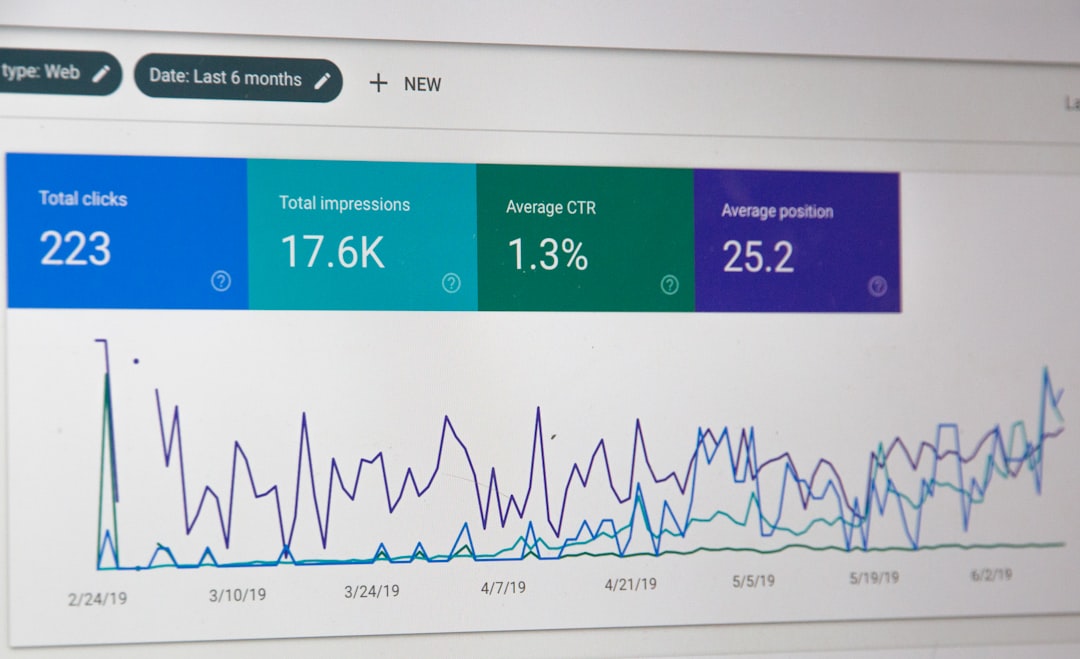
Measuring the Impact of AI Chatbots
To ensure chatbot implementation drives engagement, track measurable metrics such as:
- Average response time
- Customer satisfaction score (CSAT)
- Net Promoter Score (NPS)
- Conversion rate improvements
- Reduction in support ticket volume
Organizations often see tangible results within months. Reduced operational costs combined with increased customer satisfaction make AI chatbot software a strategic investment rather than a temporary solution.
Addressing Common Concerns
Will Chatbots Replace Human Agents?
No. AI chatbots are designed to augment human teams, not replace them. They handle repetitive tasks, allowing human agents to focus on complex, high-value interactions.
Are Customers Frustrated by Automation?
Poorly implemented bots can be frustrating. However, well-designed AI chatbots that understand intent and provide accurate responses often improve customer satisfaction. Transparency, such as clearly identifying when users are chatting with a bot, builds trust.
Is Data Security a Risk?
Leading platforms provide encryption, compliance standards, and access controls to protect customer data. Businesses must still ensure proper configuration and governance.
The Future of AI Chatbot Engagement
The next wave of AI chatbot software will integrate even deeper personalization and predictive capabilities. Developments in generative AI are enabling chatbots to produce more nuanced responses, handle complex problem-solving, and even anticipate customer needs before they are expressed.
Voice integration, multilingual support, and advanced sentiment analysis will further enhance engagement. Companies that adopt and refine AI chatbot systems today will be better positioned to compete in increasingly digital markets.
Conclusion
AI chatbot software has moved from being an experimental tool to a core component of modern customer engagement strategies. By delivering instant, personalized, and scalable interactions, it enables businesses to meet evolving customer expectations without sacrificing efficiency.
Successful deployment requires clear objectives, careful platform selection, and continuous optimization. When implemented thoughtfully, AI chatbots do more than automate communication—they build stronger relationships, enhance trust, and contribute directly to sustainable growth.
In a competitive marketplace where attention is limited and expectations are high, organizations that leverage AI chatbot technology strategically will not only improve engagement but also define the future of customer experience.