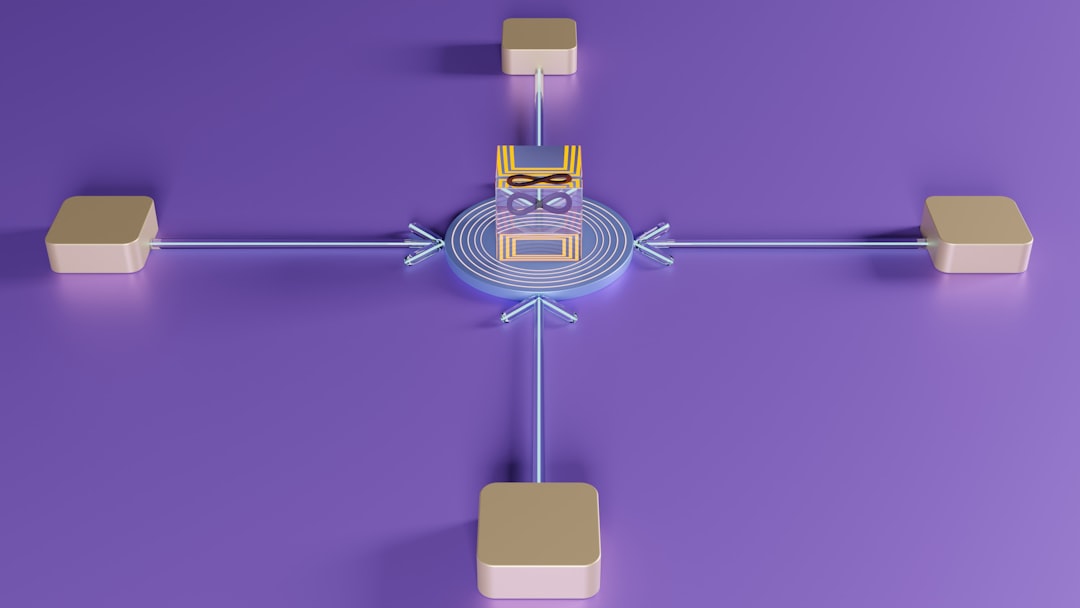
Large language models (LLMs) are rapidly moving from experimental pilots to mission-critical infrastructure. Yet deploying a model alone is not enough. Organizations need reliable ways to connect models with proprietary data, external tools, APIs, databases, and monitoring systems. This is where LLM orchestration platforms come in. They provide the connective tissue that transforms isolated models into production-ready AI systems.
TLDR: LLM orchestration platforms help organizations integrate language models with data sources, APIs, and workflows in a scalable, secure way. The best platforms offer observability, workflow automation, and multi-model support. Four leading solutions—LangChain, LlamaIndex, Microsoft Semantic Kernel, and Flowise—stand out for their flexibility and production readiness. Choosing the right one depends on your technical stack, scalability needs, and governance requirements.
As organizations adopt AI at scale, they face recurring challenges:
- How to connect LLMs to structured and unstructured data
- How to orchestrate complex, multi-step workflows
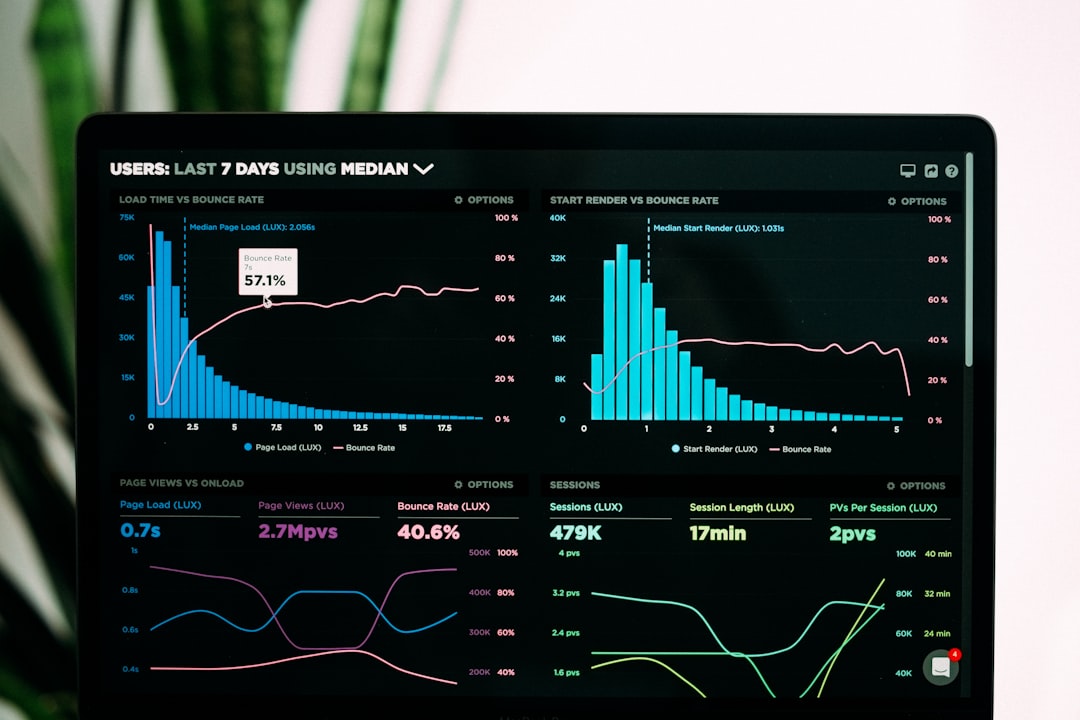
- How to monitor, evaluate, and debug AI outputs
- How to switch between multiple models without rewiring systems
Below, we examine four serious contenders in the LLM orchestration space, analyzing their strengths, ideal use cases, and technical characteristics.
1. LangChain
LangChain is one of the most widely adopted orchestration frameworks in the LLM ecosystem. Designed to simplify the creation of applications powered by large language models, it provides modular components for chaining prompts, connecting to data sources, and integrating with APIs.
Key Capabilities
- Composable chains: Build structured multi-step workflows that guide models through defined logic paths.
- Memory systems: Store conversation state or contextual data for more coherent responses.
- Retrieval augmented generation (RAG): Integrate vector databases and document stores.
- Tool integration: Connect to external APIs, search engines, and custom functions.
- Multi-model support: Switch between providers such as OpenAI, Anthropic, or open-source models.
Strengths
LangChain excels in developer flexibility. It gives engineering teams granular control over prompts, tools, and execution flow. For startups and innovation teams iterating quickly, this flexibility is often invaluable.
It also benefits from a large open-source community, meaning frequent updates, connectors, and third-party support tools.
Considerations
Because it is highly modular, LangChain can become complex in production. Without strong engineering discipline, workflows may become difficult to maintain. Governance and security controls require additional configuration.
Best for: Teams that need deep configurability and are comfortable managing code-based orchestration.
2. LlamaIndex
LlamaIndex (formerly GPT Index) specializes in connecting LLMs to enterprise data. It focuses on structured indexing, retrieval, and context management, making it particularly strong for RAG implementations.
Key Capabilities
- Flexible indexing strategies: Tree-based, list-based, and vector-based indexing structures.
- Advanced retrieval: Context filtering, relevance tuning, and ranking mechanisms.
- Data connectors: Integration with databases, cloud storage, and knowledge bases.
- Streaming and query routing: Direct queries to optimal sub-indices or models.
Strengths
For organizations focused on grounding LLM outputs in trusted internal documentation, LlamaIndex provides strong safeguards against hallucinations. Its design encourages structured ingestion pipelines, which improves reliability in regulated environments.
It also works well in hybrid settings where different departments need custom indexing logic for specialized data.
Considerations
LlamaIndex is more data-centric than workflow-centric. Teams requiring highly dynamic agent-based processes may need to combine it with another orchestration layer.
Best for: Enterprises implementing document-heavy knowledge assistants or compliance-focused AI systems.
3. Microsoft Semantic Kernel
Microsoft Semantic Kernel is a production-oriented SDK designed to embed LLMs into enterprise-grade applications. It integrates especially well with the Microsoft ecosystem but is flexible enough to orchestrate multiple models.

Key Capabilities
- Planner capabilities: Create AI-driven task planning and execution flows.
- Skill abstraction: Modular “skills” combine prompts with traditional code functions.
- Memory stores: Integrated context handling through embeddings.
- Secure cloud integration: Tight alignment with Azure infrastructure.
Strengths
Semantic Kernel was built with enterprise governance in mind. It supports structured development patterns, dependency injection, and integration into existing software architecture standards.
For large enterprises already operating within Microsoft’s cloud environment, deployment and compliance alignment are significantly streamlined.
Considerations
While flexible, it may not feel as lightweight as open-source alternatives for quick experimentation. Teams outside the Microsoft ecosystem may experience a steeper setup process.
Best for: Large organizations requiring structured AI integration with strong governance and cloud alignment.
4. Flowise
Flowise offers a more visual approach to LLM orchestration. It provides a drag-and-drop interface built on top of LangChain, enabling teams to construct workflows without deep coding.
Key Capabilities
- Visual builder: No-code interface for chaining tools and models.
- Node-based design: Easily visualize execution paths.
- API deployment: Export flows as production-ready APIs.
- Extensible components: Add custom nodes and integrations.
Strengths
Flowise lowers the barrier to experimentation. Product managers, analysts, and innovation teams can prototype LLM applications without advanced programming knowledge.
This accessibility accelerates testing cycles and cross-functional collaboration.
Considerations
For highly complex systems requiring deep backend customization, teams may outgrow purely visual orchestration. In such cases, direct coding frameworks provide greater extensibility.
Best for: Rapid prototyping and cross-functional AI experimentation.
Comparison Chart
| Platform | Primary Focus | Best For | Technical Complexity | Enterprise Readiness |
|---|---|---|---|---|
| LangChain | Workflow orchestration and chaining | Developers building custom AI apps | High | Moderate to High |
| LlamaIndex | Data indexing and retrieval | Knowledge assistants and RAG systems | Moderate | High |
| Semantic Kernel | Enterprise-grade AI integration | Large organizations using structured architecture | Moderate to High | Very High |
| Flowise | Visual LLM workflow building | Rapid prototyping and low-code teams | Low to Moderate | Moderate |
How to Choose the Right Platform
Selecting an orchestration platform should not be based solely on popularity. Decision-makers should evaluate:
- Scalability requirements: Will the system handle thousands or millions of interactions?
- Compliance and governance needs: Is data subject to regulatory controls?
- Team expertise: Does the organization have strong backend developers, or is a low-code approach preferred?
- Infrastructure alignment: Does the platform integrate naturally with existing cloud and DevOps pipelines?
In many mature deployments, organizations combine platforms—for example, using LlamaIndex for structured retrieval and LangChain for advanced workflow management.
Final Thoughts
The era of single-prompt experimentation is over. Modern AI systems require structured orchestration layers that manage data ingestion, reasoning steps, evaluation, logging, and compliance.
LangChain offers unmatched developer flexibility. LlamaIndex strengthens data integration and retrieval accuracy. Microsoft Semantic Kernel provides enterprise-grade governance and architectural discipline. Flowise democratizes orchestration through visual design.
Each platform plays a different role in the evolving AI infrastructure stack. Organizations that invest carefully in orchestration today will build AI systems that are not only powerful—but reliable, auditable, and scalable for years to come.