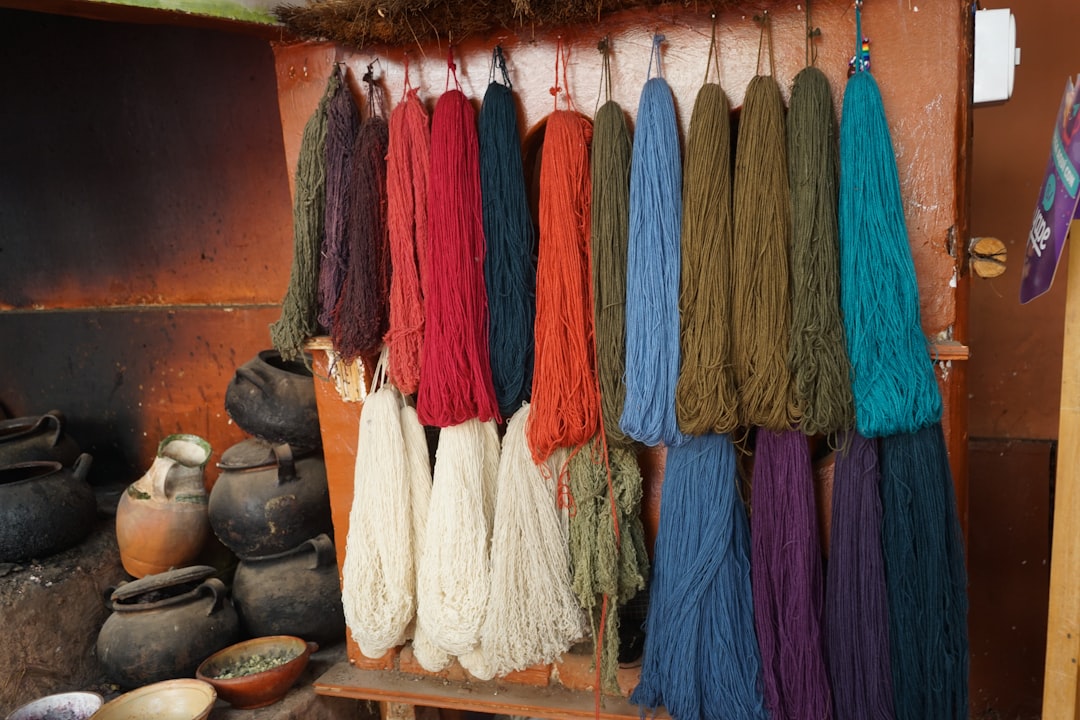
The global fashion industry is in the midst of a structural transformation as it confronts the environmental cost of linear production models. Among natural fibers, wool occupies a unique position: renewable and biodegradable, yet historically difficult to recycle at scale. Woolrec Sustainable Wool Recycling has emerged as a technically robust response, combining circular fashion principles with advanced processing technology to recover, regenerate, and reintroduce wool fibers into high-value textile applications.
TLDR: Woolrec is a sustainable wool recycling system designed to keep wool fibers in continuous use through advanced mechanical and chemical recovery methods. By reducing textile waste, lowering carbon emissions, and minimizing reliance on virgin wool, it supports a circular fashion model. Its innovation lies in fiber-level recovery, digital traceability, and low-impact processing.
Understanding Woolrec’s Role in Circular Fashion
Circular fashion aims to replace the traditional take-make-dispose model with systems that prioritize reuse, repair, and material recovery. Woolrec aligns closely with this goal by focusing on fiber circularity rather than downcycling. Instead of turning used wool garments into insulation or padding, Woolrec seeks to recover fibers that can be spun into new yarns suitable for apparel and textiles.
At the core of Woolrec’s approach is the belief that wool, when properly handled, can circulate through multiple life cycles with minimal loss of quality. This is accomplished through precise sorting, conditioning, and reprocessing methods that preserve staple length and elasticity. By treating used garments as valuable raw material, Woolrec reframes waste as a resource.
The Environmental Case for Wool Recycling
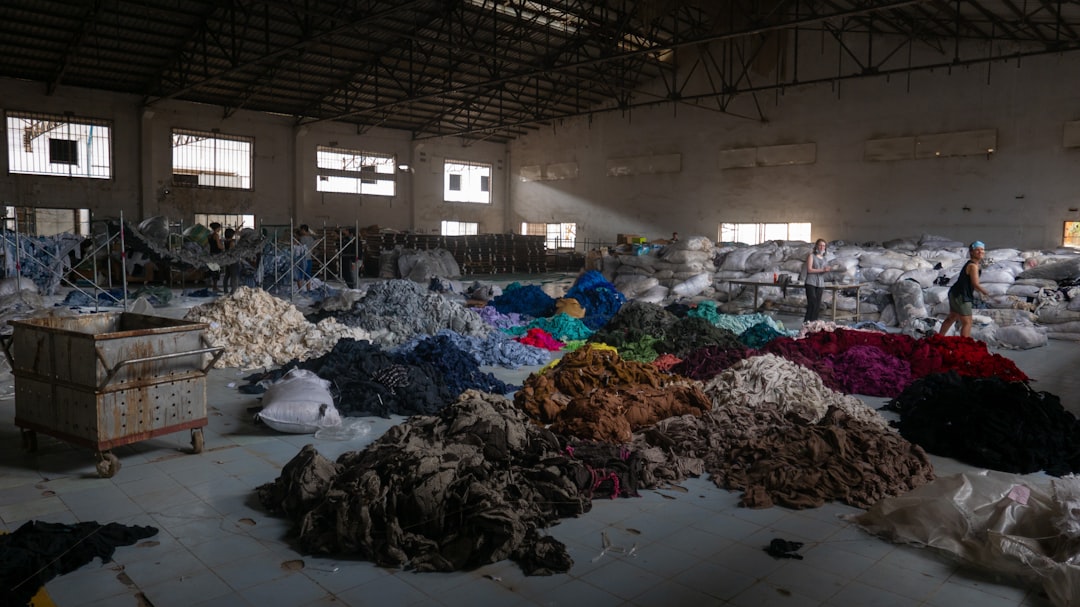
The environmental footprint of virgin wool is often underestimated. Although wool is biodegradable and renewable, its production involves land use, water consumption, methane emissions from sheep, and chemical inputs during scouring and finishing. Recycling wool significantly reduces these impacts by extending the useful life of existing fibers.
Independent lifecycle assessments indicate that recycled wool can reduce:
- Carbon emissions by up to 35–45% compared to virgin wool
- Water use by more than 90% by avoiding raw fleece scouring
- Energy demand through shortened processing chains
Woolrec systems are designed to operate at lower temperatures and with fewer chemical treatments than conventional recycling pathways. The result is a scalable reduction in environmental harm while maintaining textile performance standards expected in premium markets.
From Garment to Fiber: The Woolrec Process
Wool recycling presents technical challenges due to fiber variability, blended materials, and garment construction. Woolrec addresses these issues through a modular, multi-stage process:
- Intelligent Sorting: Garments are categorized by fiber composition, color, and condition using a combination of infrared scanning and manual quality control.
- Component Separation: Non-textile elements such as zippers, buttons, and synthetic linings are removed to ensure fiber purity.
- Fiber Reclamation: Wool fibers are mechanically or chemically separated without excessive shortening or damage.
- Reconditioning: Fibers are realigned, cleaned using low-impact detergents, and blended as needed for consistency.
Unlike traditional shredding methods, which often weaken fibers beyond usability, Woolrec technologies prioritize fiber integrity. This allows recycled outputs to meet the tensile strength and softness required for knitwear, woven garments, and even performance blends.

Technological Innovations Driving Woolrec
Technology is the enabling force behind Woolrec’s credibility as an industrial solution. Several innovations differentiate it from earlier recycling efforts.
1. Fiber-Level Monitoring: Using sensor-based analysis, Woolrec systems assess fiber diameter, length, and crimp in real time. This data-driven approach ensures that recycled batches meet defined quality thresholds.
2. Low-Impact Chemical Recovery: For complex blends or heavily dyed textiles, controlled chemical processes are used to isolate wool fibers. These solvents are designed for reuse in closed-loop systems, minimizing discharge and toxicity.
3. Digital Traceability: Each batch of recycled wool can be assigned a digital identity, enabling brands to verify recycled content and origin. This supports regulatory compliance and enhances consumer trust.
Together, these technologies transform wool recycling from a craft-based activity into a standardized industrial process suitable for global adoption.
Integration with Fashion and Textile Brands
Woolrec is not positioned as a standalone recycler but as a supply chain partner. Its systems are designed to integrate with existing textile mills, fashion brands, and collection networks. Brands can return post-consumer garments or production offcuts and receive recycled wool yarns tailored to their specifications.
This approach delivers several strategic benefits:
- Reduced dependence on volatile raw wool markets
- Lower scope 3 emissions across the value chain
- Compliance with extended producer responsibility regulations
By offering predictable quality and transparent metrics, Woolrec enables brands to make substantiated sustainability claims rather than relying on vague environmental messaging.
Socioeconomic and Ethical Dimensions
Beyond environmental metrics, Woolrec contributes to social sustainability. Recycling facilities are typically located closer to consumption centers, creating local employment opportunities in sorting, processing, and quality management. Training programs emphasize safe material handling and skill development, supporting long-term workforce resilience.
Additionally, by reducing demand for virgin wool, Woolrec indirectly eases pressure on grazing land and ecosystems. This complements animal welfare initiatives without positioning recycling as a replacement for responsible farming, but rather as a balancing mechanism within the broader wool economy.
Challenges and Limitations
Despite its promise, wool recycling remains constrained by several factors. Blended fabrics containing high proportions of synthetic fibers can complicate recovery. Inconsistent garment labeling also limits sorting efficiency, even with advanced scanning technology.
Woolrec addresses these challenges through collaboration rather than isolation. The organization actively engages with designers and manufacturers to promote mono-material design and better labeling practices. While these changes take time, they are essential for unlocking the full potential of circular wool systems.
The Future Outlook for Sustainable Wool
As regulatory pressure intensifies and consumers demand transparency, recycled materials are moving from niche to necessity. Woolrec represents a mature model of what fiber-specific circularity can achieve when engineering discipline meets environmental intent.
Future developments are expected to include higher recovery rates, broader compatibility with blends, and deeper integration with digital product passports. If adopted at scale, Woolrec-style systems could redefine wool not merely as a natural fiber, but as a continuously renewable material within a closed-loop economy.
In this context, sustainable wool recycling is not an alternative to quality or tradition. It is an evolution, one grounded in measurable impact, technological rigor, and a serious commitment to long-term environmental stewardship.