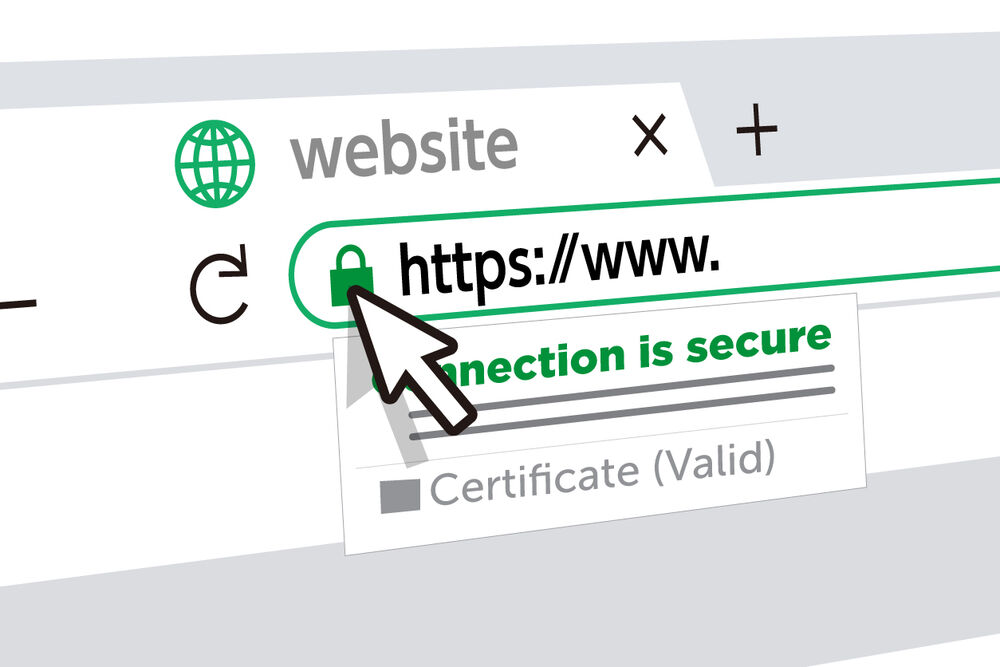
Online security is usually discussed in technical terms: HTTPS, encryption, certificates, and browser warnings. This article focuses on a broader idea of trust, arguing that real security is not only about protecting data in transit but also about making sure users clearly understand what they are agreeing to. When someone clicks a CTA, accepts cookies, or signs up for an offer, technical protection like SSL must be paired with transparent, human-readable explanations of pricing, data use, and promotional conditions, especially on WordPress sites that rely heavily on plugins and automated tools.
Technical Trust vs. Perceived Trust — Why HTTPS Alone Is Not Enough
HTTPS and SSL establish technical trust by encrypting data between the user’s browser and the server, preventing interception, tampering, and impersonation. This form of trust is essential, but it operates mostly in the background and is invisible to many users beyond a padlock icon. Perceived trust, on the other hand, is built through clarity, tone, and honesty. A site can be perfectly encrypted while still leaving users confused about pricing, renewals, or what happens to their personal data after submission.
Many user complaints and disputes do not stem from data breaches but from misunderstandings. People often feel misled even when terms were technically available, simply because those terms were written in dense legal language or hidden behind multiple clicks. This gap between technical trust and perceived trust shows why HTTPS alone is not enough to create a genuinely secure experience.

Why Language Functions as a Security Layer
Clear language acts as a protective mechanism for both users and site owners. When terms are understandable, users can make informed decisions, reducing the likelihood of frustration, refunds, or regulatory scrutiny. Security, in this sense, is not only about preventing attacks but also about preventing confusion that can damage long-term credibility.
Legal accuracy does not require complexity. Terms can remain precise while being written in plain, conversational language that explains real-world consequences. When users understand exactly what they are agreeing to, trust shifts from being symbolic to being practical. This kind of transparency becomes a trust signal just as powerful as encryption, especially for first-time visitors who are still evaluating whether a site feels legitimate.
Writing Clear “Key Terms” Blocks for Pricing, Trials, and Promotions
“Key terms” blocks are structured explanations that present all conditions without removing details or simplifying important information. They are not summaries that omit facts, but carefully written sections that translate formal terms into readable language while preserving every condition. Pricing transparency is a critical use case, where exact costs, billing intervals, renewal timing, and cancellation rules should be visible without scrolling through full legal pages.
Trials benefit significantly from this approach. Users should immediately see how long a trial lasts, when charges begin, and what actions are required to cancel. Promotions follow the same logic: every requirement, limitation, and eligibility rule should be stated plainly. Clear presentation does not weaken legal standing; it strengthens trust by aligning expectations with reality.
Transparency in Digital Promotions and Marketing Offers
Marketing copy attracts attention, but clarity determines satisfaction. When promotional language exaggerates benefits while burying conditions, users feel deceived even if the site is technically secure. Clear terms ensure that headlines, banners, and landing pages match the actual agreement being offered.
This approach applies across industries, including sectors where incentives are common and complex. Offers that resemble online casino bonuses require especially clear explanations because conditions like wagering requirements or time limits can significantly affect perceived value. Transparent language at the point of decision helps users understand what they are getting before they commit, reducing post-signup frustration.
Where Clear Explanations Should Appear on WordPress Sites
Clarity is most effective when it appears exactly where decisions are made. Explanations placed near CTAs reduce hesitation and prevent surprises later. Instead of redirecting users to separate pages, concise explanations can live alongside buttons, forms, and checkout steps.
Tooltips offer another effective method, allowing users to access additional detail without overwhelming the interface. Short FAQs also play an important role when written in direct, natural language that answers real questions rather than restating legal clauses. Placement transforms terms from background noise into active guidance.
Cookies, Consent, and Meaningful Understanding
Cookie banners often meet regulatory requirements while failing to inform users in a meaningful way. Generic “accept all” buttons paired with vague descriptions do little to build trust. Clear explanations of what data is collected, why it is used, and how long it is stored help users feel respected rather than pressured.
Layered consent designs work well by combining brief explanations with optional deeper detail. This approach acknowledges that not every user wants the same level of information while still making understanding accessible. Consent becomes an informed choice rather than a reflexive click.
Pairing SSL With Transparency in WordPress Environments
WordPress sites rely heavily on plugins and themes, making them ideal candidates for a layered trust model. SSL provides the technical foundation by securing data transmission, but it does not explain how that data will be used or monetized. Clear terms fill that gap.
Consistency across pages is essential. Pricing explanations, consent of language, and promotional conditions should not contradict each other depending on where the user encounters them. A unified tone reinforces the idea that security and honesty are part of the same philosophy.
Plugins Handle Security, Site Owners Handle Clarity
Automation solves many technical problems, but it cannot communicate intent. Plugins like WP Force SSL handle enforcement of HTTPS, fix mixed-content issues, and ensure that secure connections are applied consistently across a WordPress site. These tools are vital for technical compliance and baseline security.
However, no plugin can explain pricing logic, trial conversions, or promotional limitations in a brand’s own voice. That responsibility belongs to site owners and content creators. Transparency is not a setting that can be toggled on; it is an ongoing practice shaped by language and design decisions.

Lessons From Industries That Combine Security and Clarity
Other industries demonstrate how clarity and technical protection reinforce each other. Financial services pair encryption with clear fee disclosures because hidden costs erode trust faster than technical failures. E-commerce platforms invest heavily in return and refund explanations because clarity reduces disputes.
Educational content around promotions also shows best practices. Guides that break down online casino bonuses into plain-language bullet points about wagering, time limits and eligible games show the same principle: combine strong technical protection like SSL with clear explanations of what the user is actually getting before they click “accept”.
Measuring the Impact of Clear Terms on Trust and Performance
Clear terms produce measurable outcomes. Support teams receive fewer repetitive questions when explanations are visible upfront. Conversion quality improves because users who understand conditions are less likely to churn or complain. Over time, this clarity contributes to stronger brand reputation and user loyalty.
Trust built on both security and understanding lasts longer than trust built on symbols alone. Users remember how a site made them feel after signing up, not just whether it displayed a padlock.
Why Clear Terms Matter as Much as SSL
True online security is incomplete without understanding. SSL, HTTPS, and encryption protect data, but clear, human-readable terms protect relationships. When WordPress site owners combine technical tools like WP Force SSL with transparent explanations of pricing, data use, and promotions, they create trust that extends beyond the first click and supports sustainable growth built on honesty as well as protection.