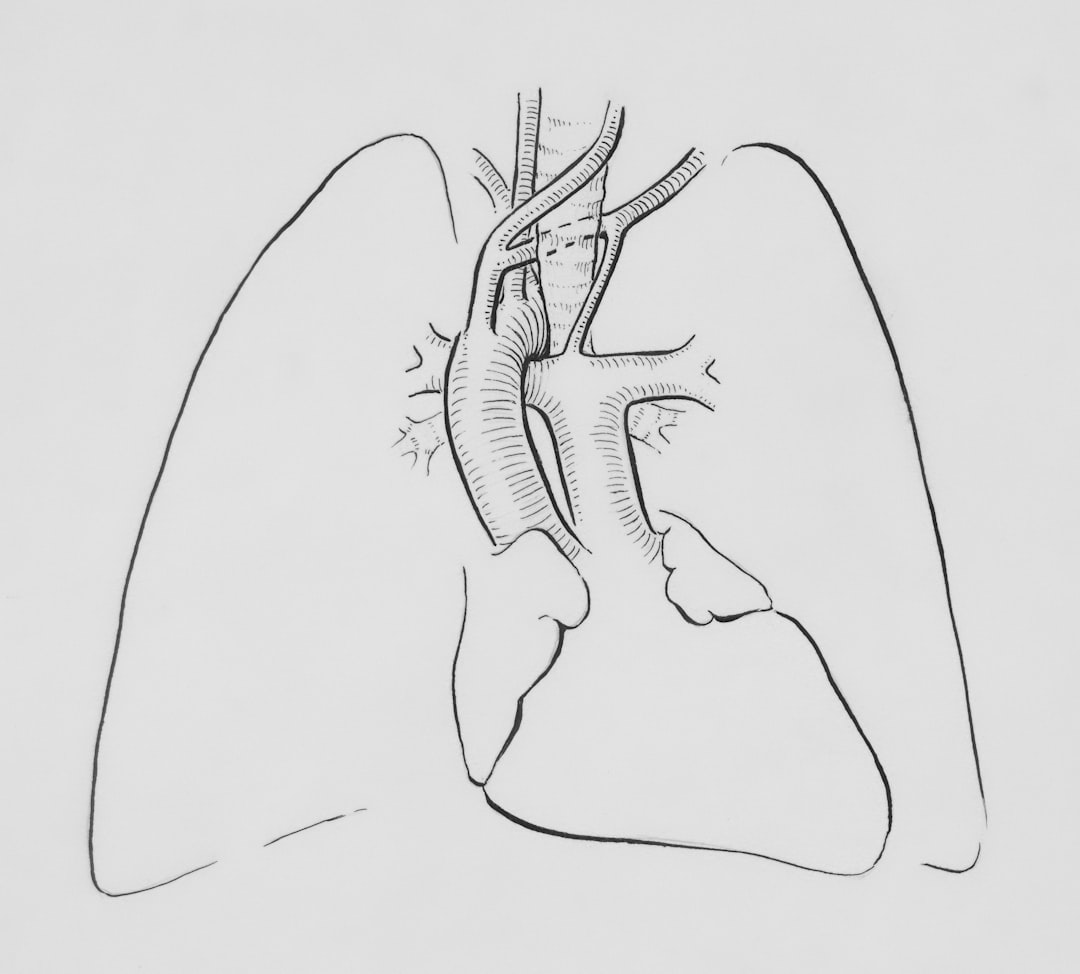
Every time a person inhales and exhales, their lungs draw in and release a specific amount of air. This seemingly automatic process is critical to life and involves intricate physiological regulation. One of the fundamental aspects of this cycle is known as tidal volume. Though often overlooked outside of clinical or academic settings, understanding tidal volume can offer greater insight into respiratory health, performance, and diagnosis of certain medical conditions.
TLDR: Tidal volume is the amount of air that moves in or out of the lungs with each breath during regular, relaxed breathing. It plays a key role in respiratory assessments and is affected by factors like age, body size, and physical activity. This measurement is vital in both medical and athletic settings for evaluating lung health and function. A typical adult’s tidal volume is approximately 500 milliliters per breath.
What Is Tidal Volume?
Tidal volume, usually abbreviated as TV or VT, represents the average volume of air inhaled or exhaled during a single breath under resting conditions. This measurement offers a foundational view into how the respiratory system is functioning. It plays a pivotal role not only in understanding normal breathing patterns but also in managing conditions that affect lung performance, especially in intensive care or during anesthesia.
In healthy adults, the average tidal volume during relaxed breathing is about 500 milliliters (mL) or 0.5 liters (L). It may vary depending on multiple factors such as:
- Age
- Sex
- Body weight
- Physical conditioning and activity level
- Health status, particularly respiratory conditions
Tidal Volume Formula
The most commonly used basic formula to estimate tidal volume is:
Tidal Volume (TV) = Minute Ventilation / Respiratory Rate
Where:
- Minute Ventilation is the total amount of air breathed in one minute
- Respiratory Rate is the number of breaths per minute
If a person has a minute ventilation of 6,000 mL and a respiratory rate of 12 breaths per minute, the tidal volume would be calculated as follows:
TV = 6,000 mL / 12 = 500 mL per breath
There’s also a formula based on ideal body weight that helps to estimate safe tidal volumes during mechanical ventilation:
TV = 6 – 8 mL × Ideal Body Weight (kg)
This equation ensures that mechanical ventilation settings are safe and appropriate for the patient to avoid ventilator-induced lung injury.
Why Is Tidal Volume Important?
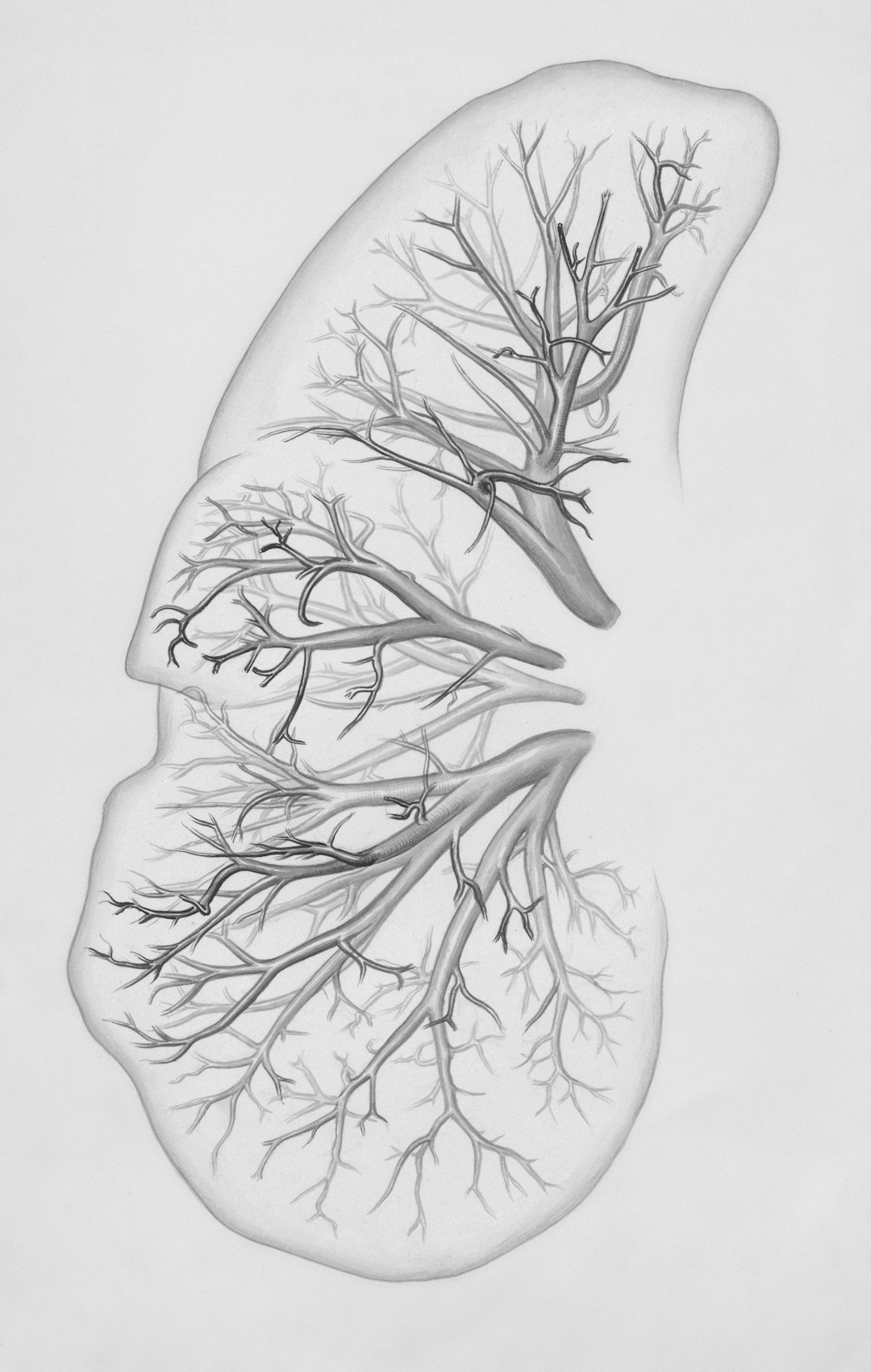
Understanding tidal volume is essential in a variety of medical and health-related contexts. Here are several reasons why this measurement is so critical:
- Respiratory Health Monitoring: It helps in assessing lung capacity and detecting respiratory dysfunction.
- Mechanical Ventilation: Tidal volume is vital in setting ventilators for patients in critical care to ensure proper oxygenation without over-inflating the lungs.
- Athletic Performance: Athletes and clinicians monitor tidal volume to measure cardio-respiratory fitness and optimize training regimens.
- Medical Diagnosis: Irregularities in tidal volume may indicate conditions like asthma, COPD (Chronic Obstructive Pulmonary Disease), or restrictive lung diseases.
Normal vs. Abnormal Tidal Volume
A healthy adult at rest typically breathes in approximately 500 mL of air per breath. This value can increase significantly during exercise, often rising to 2,000–3,000 mL as the body’s oxygen demand increases.
Abnormal tidal volume levels may include:
- Low tidal volume: May indicate shallow breathing, often caused by pain, fatigue, or neuromuscular conditions.
- High tidal volume: May occur during states of stress or lung hyperinflation, and may also be artificially induced by mechanical ventilation.
Factors That Influence Tidal Volume
Several physiological and environmental factors can affect a person’s tidal volume. Understanding these can help tailor treatments or performance strategies accordingly.
- Age: Lung elasticity decreases with age, often reducing tidal volume.
- Body Size: Larger individuals tend to have a higher tidal volume.
- Fitness Level: Trained athletes usually have more efficient lung function and higher tidal volumes during exercise.
- Altitude: At higher altitudes, reduced oxygen levels may impact breathing patterns and tidal volume.
- Health Conditions: Respiratory diseases like asthma, emphysema, or ARDS can influence tidal volume significantly.
Clinical Use of Tidal Volume
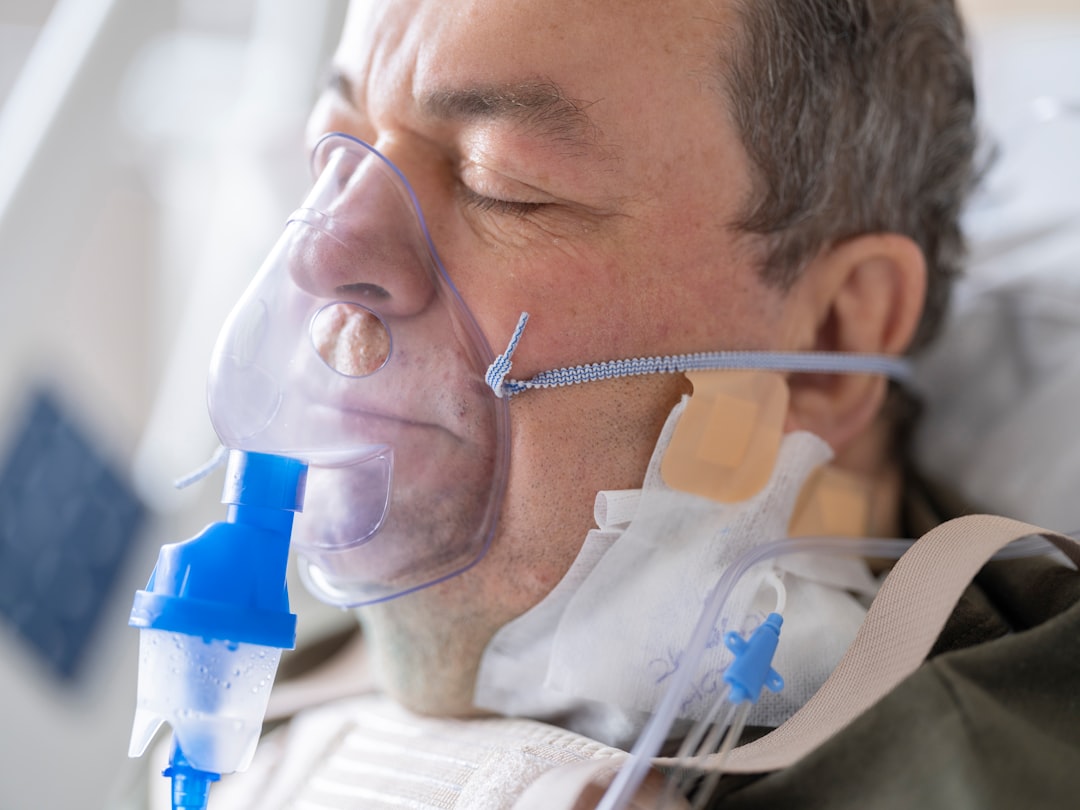
In clinical environments, especially in emergency medicine and critical care units, tidal volume serves as a key indicator for patient care. For instance, when using mechanical ventilation, careful calculation of tidal volume is essential to avoid complications such as barotrauma or volutrauma, which can occur from over-distension of the lungs.
The American Thoracic Society and other medical bodies recommend maintaining tidal volumes in the range of 6–8 mL/kg of ideal body weight during mechanical ventilation to minimize the risks associated with high-pressure ventilation strategies.
Example: Calculating Tidal Volume for a Patient
Suppose a patient has an ideal body weight of 70 kg and is being prepared for mechanical ventilation in a hospital setting. To calculate the appropriate tidal volume using the standard guideline:
TV = 7 mL × 70 kg = 490 mL
Thus, the ventilator can be set to deliver approximately 490 mL of air per breath to ensure optimal oxygen exchange without risking lung damage.
Frequently Asked Questions (FAQ)
-
What is a normal tidal volume?
A typical resting tidal volume for an average adult is about 500 mL per breath. -
How is tidal volume measured?
Tidal volume can be measured using a spirometer, a device used to assess lung function by measuring the amount of air inhaled and exhaled. -
Why is tidal volume important in mechanical ventilation?
Proper tidal volume settings help ensure adequate oxygenation while preventing lung damage from over-inflation or under-ventilation. -
Can tidal volume change with exercise?
Yes, during physical exertion, tidal volume can increase significantly to meet the body’s oxygen demands. -
Does body weight affect tidal volume?
Yes, ideal body weight is often used to calculate appropriate tidal volumes, especially in clinical settings where precise oxygen delivery is critical.
From the rhythm of everyday breathing to the monitored settings in intensive care units, tidal volume serves as a fundamental measure of respiratory efficiency. Clinicians and health professionals rely on this simple yet powerful metric to ensure that the lungs function properly across a wide spectrum of health conditions and physical states.