Content management systems have evolved dramatically in the past decade, and Sanity CMS has become a popular choice for teams that want structured content, real-time collaboration, and API-first flexibility. However, it’s not the perfect solution for everyone. Developers may seek different hosting models or pricing structures, while content teams might prefer alternative editorial experiences. Fortunately, the modern headless CMS ecosystem offers numerous powerful alternatives tailored to a variety of workflows and technical requirements.
TLDR: Sanity is a powerful headless CMS, but it is not the only strong option for modern development teams. Alternatives like Contentful, Strapi, Storyblok, Contentstack, and Ghost offer different strengths in customization, pricing, usability, and hosting flexibility. Your ideal choice depends on whether you prioritize developer control, editorial experience, open-source flexibility, or enterprise-grade features. Evaluating collaboration tools, API capabilities, and scalability is key to finding the right fit.
Before diving into specific tools, it’s important to understand what makes teams look for alternatives. Common reasons include:
- Pricing complexity as projects scale
- Self-hosting requirements for compliance or security
- Simpler editorial interfaces for non-technical teams
- Different API or plugin ecosystems
- Enterprise-level governance and support
Let’s explore some of the best Sanity CMS alternatives that developers and content teams should consider.
1. Contentful
Contentful is one of the most established headless CMS platforms and is often compared directly with Sanity. It offers robust APIs, localization support, and extensive integrations.
Why Developers Like It
- Powerful REST and GraphQL APIs
- Reliable global CDN delivery
- Extensive SDK support
- Strong versioning and content modeling
Why Content Teams Like It
- Clean, intuitive UI
- Granular permissions
- Built-in localization workflows
- Rich marketplace of integrations
Best for: Teams that want a mature, enterprise-ready headless CMS with global infrastructure and strong documentation.
The downside? Pricing can climb quickly as usage scales, making it better suited for mid-size or larger organizations.
2. Strapi
If open-source flexibility is your top priority, Strapi is a compelling choice. Unlike Sanity, Strapi allows full self-hosting and deep backend customization.
Developer Advantages
- Open-source and fully customizable
- Self-hosted or cloud-hosted
- Built with Node.js
- Plugin ecosystem for extending functionality
Content Team Experience
- Clean administrative panel
- Role-based access control
- Easy content modeling interface
Best for: Development teams that want maximum control over infrastructure and data without vendor lock-in.
Strapi may require more DevOps expertise compared to SaaS-first tools like Sanity or Contentful, but it offers unmatched flexibility for custom applications.
3. Storyblok
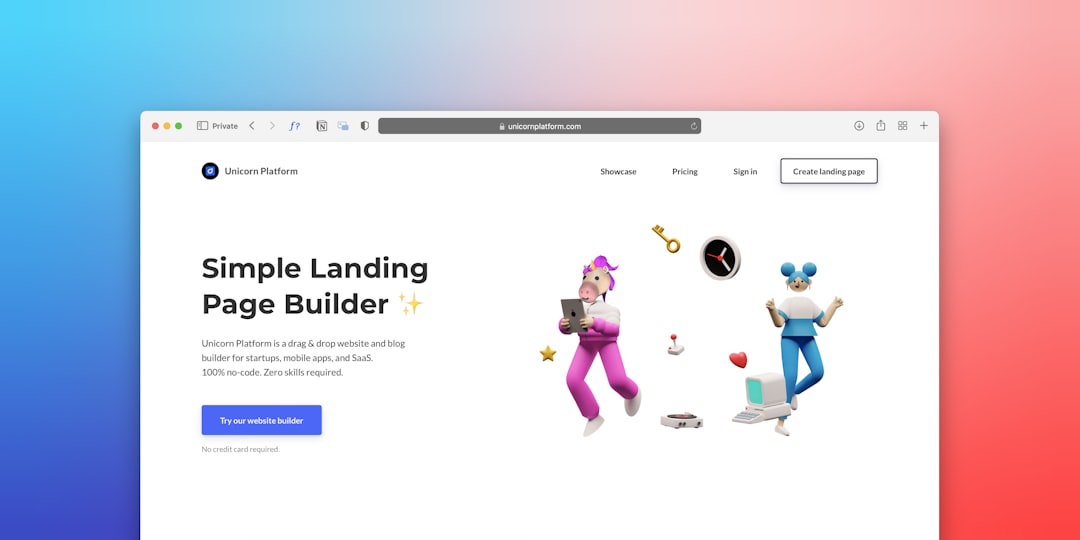
Storyblok differentiates itself with a powerful visual editor, making it attractive for marketing teams and content creators who want live preview capabilities.
Key Features
- Visual drag-and-drop editor
- Component-based content structure
- Headless architecture with REST and GraphQL
- Strong support for omnichannel publishing
Why It Stands Out
The visual editing experience reduces friction between developers and marketers. Developers define components, and editors assemble pages visually without touching code.
Best for: Content-heavy marketing websites, ecommerce frontends, and brands that prioritize editorial independence.
4. Contentstack
Contentstack positions itself as an enterprise digital experience platform. It combines headless CMS functionality with advanced workflow and automation tools.
Strengths
- Enterprise-grade security and governance
- Advanced automation workflows
- Multi-environment deployment
- Scalable architecture for global enterprises
Unlike more developer-centric tools, Contentstack leans heavily toward large organizations requiring structured governance.
Best for: Enterprises with strict compliance requirements and complex organizational structures.
However, smaller teams may find it more expensive and feature-heavy than necessary.
5. Ghost
If your primary goal is publishing and content marketing, Ghost offers a streamlined alternative. While not purely headless by default, it supports API-driven architectures and integrations.
Notable Features
- Built-in membership and subscription tools
- SEO optimization features
- Clean Markdown-based editor
- Open-source self-hosting option
Best for: Media companies, newsletters, and content-first businesses.
Ghost lacks the deep structured modeling of Sanity, but it excels at simplicity and publishing workflows.
Feature Comparison Chart
| Platform | Hosting Options | Open Source | Visual Editor | Best For | Pricing Level |
|---|---|---|---|---|---|
| Sanity | Cloud-based | No | Customizable | Structured headless projects | Mid to High |
| Contentful | Cloud-based | No | No | Enterprise headless | High |
| Strapi | Self-hosted or Cloud | Yes | Limited | Custom backend control | Low to Mid |
| Storyblok | Cloud-based | No | Yes | Marketing teams | Mid |
| Contentstack | Cloud-based | No | No | Large enterprises | High |
| Ghost | Self-hosted or Cloud | Yes | Editor focused | Publishing businesses | Low to Mid |
Key Factors to Consider When Choosing an Alternative
Choosing the right CMS goes beyond feature lists. Developers and content teams should evaluate the following:
1. Developer Experience
Does the platform offer flexible content modeling? Are APIs well documented? Is SDK support strong? Tools like Strapi and Sanity shine in developer customization, while Contentful emphasizes API stability.
2. Editorial Workflow
How intuitive is the user interface? Can non-technical editors collaborate easily? Storyblok’s visual editor is particularly strong here, reducing dependence on engineering teams.
3. Scalability
Can the CMS handle traffic spikes and global distribution? Enterprise platforms like Contentstack and Contentful are optimized for international scale.
4. Cost Structure
Be mindful of scaling costs, API request limits, storage allowances, and team seats. Self-hosted tools may reduce subscription costs but increase infrastructure overhead.
5. Vendor Lock-In
Open-source tools such as Strapi and Ghost provide deeper control and portability, while SaaS-based systems trade flexibility for convenience.
When Should You Stick With Sanity?
Even while exploring alternatives, it’s worth acknowledging when Sanity remains the right choice. Its real-time collaboration features, structured content modeling, and customizable studio interface are powerful assets. If your team values:
- Custom content schemas
- Structured APIs
- Real-time collaboration tools
- Fine-grained content workflows
Then Sanity may already meet your needs effectively.
Final Thoughts
The modern CMS landscape is richer and more diverse than ever. While Sanity is a sophisticated and flexible solution, it is only one piece of a much larger ecosystem. From open-source platforms like Strapi to visually oriented tools like Storyblok and enterprise solutions such as Contentstack, every alternative brings its own philosophy and strengths.
The best approach for developers and content teams is not to chase features blindly, but to align the CMS choice with:
- Team technical expertise
- Content production workflows
- Budget constraints
- Long-term scalability goals
By evaluating platforms through both technical and editorial lenses, organizations can select a CMS that empowers creativity while maintaining structural integrity and performance.
Ultimately, the right alternative is the one that helps your team build faster, collaborate more effectively, and deliver seamless digital experiences across every channel.