Effective real estate ads sell the next step, not just the property. They must make the right buyer or seller stop, understand the offer fast, and take action with confidence. Strong ads combine sharp visuals, plain copy, accurate targeting, and a clear call to action.
TLDR: A good real estate ad needs professional photos or video, a specific audience, one clear message, and a direct next step. For example, a listing ad that uses a 30-second walkthrough video, five strong interior photos, and a “Book a private showing” button can outperform a generic image ad by 20% to 40% in click-through rate. If a $650,000 family home gets 10,000 local impressions, even a 1.2% click rate can produce 120 listing visits. The goal is not more noise; it is better-qualified attention.
Start With the Goal of the Ad
Before creating any real estate ad, decide what the ad must do. A listing ad is not the same as a seller lead ad. A rental ad is not the same as a luxury brand ad. Each needs a different promise.
- Listing ad: Get buyers to view the property, request details, or book a showing.
- Seller lead ad: Offer a home valuation, market report, or consultation.
- Rental ad: Drive applications, calls, or viewing requests.
- Agent brand ad: Build trust through proof, local insight, and past results.
Do not try to make one ad do everything. That usually makes the message weak. Pick one action and build the ad around it.
Use Photography That Builds Trust Fast
Real estate photography does more than show rooms. It sets the buyer’s first impression of value. Dark photos, tilted walls, cluttered counters, and harsh flash can make a good property feel cheap. It drives me crazy that some listings still use blurry phone photos for six-figure assets.
Good real estate photos should be bright, straight, clean, and honest. The best sequence usually starts with the exterior, then the main living area, kitchen, primary bedroom, bathrooms, outdoor space, and any standout feature.

- Use natural light when possible, but avoid blown-out windows.
- Shoot from chest height to keep rooms realistic.
- Declutter before shooting; remove bins, cords, shoes, toiletries, and personal items.
- Show flow by using angles that connect rooms.
- Do not over-edit; buyers notice fake skies and distorted room sizes.
For paid ads, choose one hero image with a strong focal point. A bright kitchen, a wide living room, a pool, a view, or a clean exterior often works best. The image must be clear even on a small phone screen.
Add Video for Attention and Context
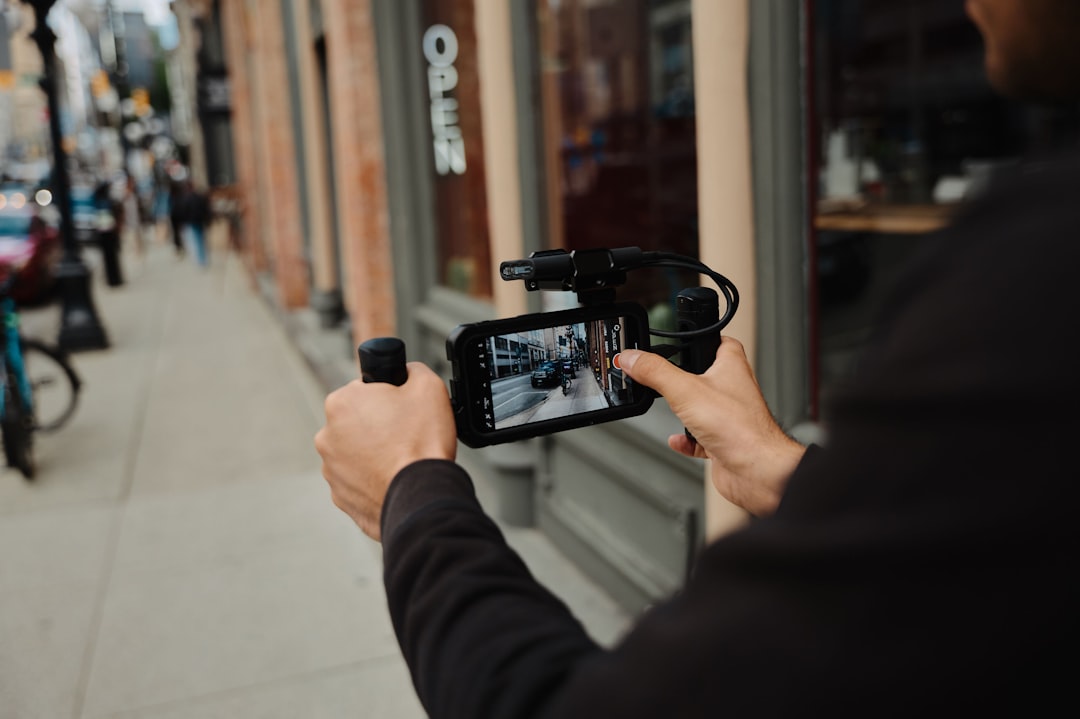
Video is one of the strongest tools in real estate advertising because it answers questions photos cannot. It shows layout, movement, light, ceiling height, street feel, and room connection. For buyers, that reduces uncertainty. For agents, it filters out poor-fit inquiries.
A good real estate video does not need to be long. In many paid campaigns, 15 to 45 seconds is enough. Start with the strongest visual in the first three seconds. Do not waste the opening on a logo animation. People scroll quickly.
Use this simple structure:
- Hook: Show the best feature first.
- Context: State location, price range, bedroom count, or property type.
- Tour: Move through the main spaces in a logical order.
- Proof: Mention upgrades, school area, lot size, or recent renovation.
- Action: Ask viewers to book a tour, request the address, or download details.
For seller ads, video can show the agent explaining recent local sales. This builds credibility without sounding pushy. A 30-second “three homes sold this month in your area” video can often produce better leads than a generic “thinking of selling?” post.
Write Copy That Is Specific, Not Fluffy
Real estate ad copy must earn attention quickly. Avoid vague phrases like “dream home” or “must see” unless the details support them. Buyers want facts. Sellers want competence. Both want clarity.
Strong copy usually includes:
- Who it is for: First-time buyers, growing families, downsizers, investors, landlords, or homeowners.
- Main benefit: More space, lower maintenance, rental income, walkability, privacy, or price position.
- Key proof: Square footage, lot size, renovation date, rental yield, local sales data, or days on market.
- Next step: Book, call, message, download, register, or request.
Here is a weak example:
“Beautiful home in a great area. This one will not last. Contact us today.”
Here is a better version:
“Four-bedroom home near Oakridge Park with a renovated kitchen, fenced backyard, and two-car garage. Private showings available this weekend. Request the full photo package and floor plan.”
The second version works harder. It gives useful details. It also gives a reason to act now without fake pressure.
Target the Right Audience
Bad targeting wastes budget fast. Expect to waste time on ad platforms if you start with broad settings and no clear buyer profile. The setup pages can feel simple, yet one wrong radius or interest group can send the ad to the wrong crowd for days.
Start with geography. Most real estate searches are local, but not always. A downtown condo may attract renters in the same city. A retirement property may attract buyers from another state. A vacation home may need regional targeting.
Then refine by intent and life stage where the platform allows it. Useful audience signals may include recent home search behavior, income range, family status, relocation interest, rental interest, or property investment interest. Always follow housing ad rules in your market and on each platform. Many platforms restrict targeting for housing to prevent discrimination, so keep campaigns fair and compliant.
Retargeting is also valuable. People who viewed a listing page, watched 50% of a video, or clicked on a valuation page are warmer than cold viewers. Show them a second ad with more proof, such as floor plans, neighborhood details, recent price adjustment, or open house times.
Create Calls to Action That Match the Buyer’s Stage
A call to action should feel natural. Asking a cold viewer to “Buy now” makes no sense. Asking them to “View photos” or “Check availability” is easier.
- For new viewers: View photos, watch the tour, see price, get the brochure.
- For interested buyers: Book a showing, request floor plan, ask a question.
- For sellers: Get a home value estimate, request a local market report, schedule a consultation.
- For investors: Request rent roll, view projected yield, get property details.
Use one primary CTA per ad. Too many options reduce action. If the ad is about a listing, do not also promote your newsletter, valuation tool, and agency page in the same creative.
Test, Measure, and Improve
Real estate ads should be judged by results, not opinions. Track impressions, click-through rate, cost per lead, cost per showing request, lead quality, and final outcomes. A cheap lead is not helpful if the person has no budget, no timeline, and no interest in the property type.

Test one change at a time. Compare two photos. Try a short video against a carousel. Test “Book a private showing” against “Request the full property details.” Small changes often matter. A clearer headline or stronger first image can cut wasted spend without raising the budget.
Practical Checklist for Better Real Estate Ads
- Use a strong first visual that looks good on mobile.
- State the property type, location, and key benefit early.
- Keep copy short but specific.
- Match the CTA to the viewer’s level of interest.
- Send traffic to a useful page with photos, facts, map context, and contact options.
- Respond quickly; lead quality drops when follow-up is slow.
- Review performance weekly and cut weak ads before they burn more budget.
Effective real estate advertising is disciplined work. Show the property clearly. Speak to the right audience. Make the next step obvious. When photography, video, copy, targeting, and calls to action work together, ads become more than promotion. They become a reliable source of serious buyers, sellers, and appointments.