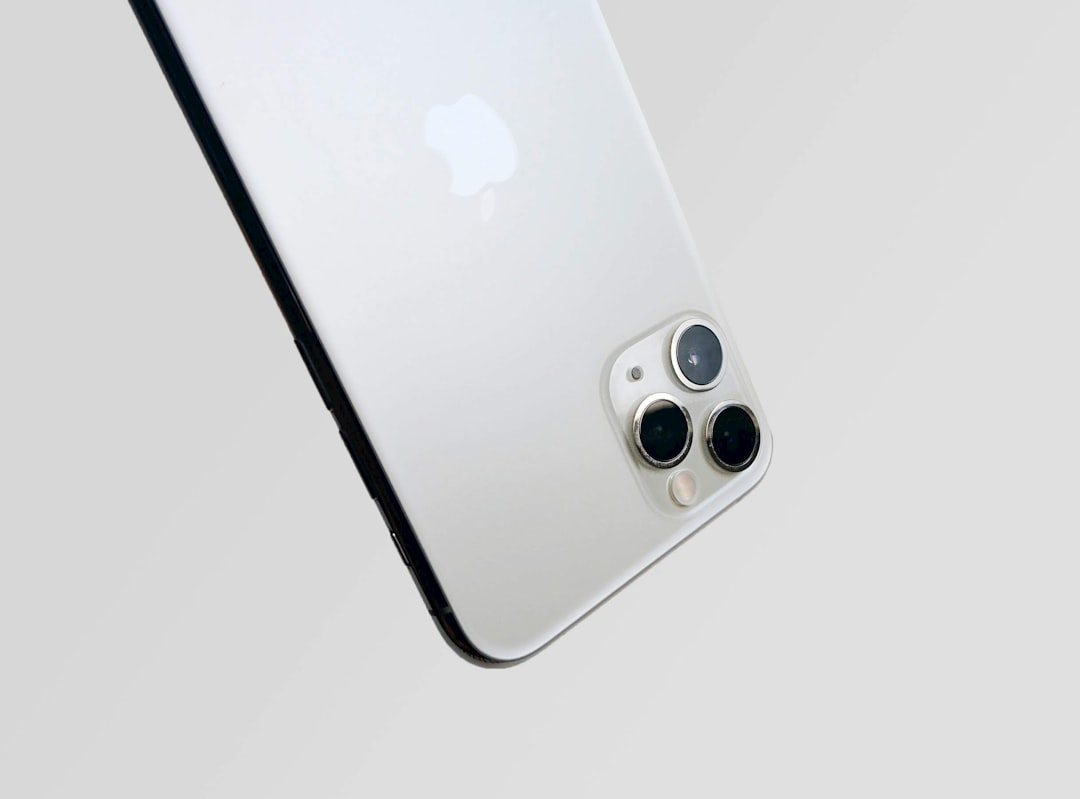
The release of the iPhone X in 2017 marked a turning point in Apple’s smartphone lineup—it was the first iPhone to feature an OLED screen and eliminate the home button in favor of Face ID and gesture navigation. The following year, Apple introduced the iPhone XR as a more affordable alternative, featuring a similar edge-to-edge design but with an LCD screen instead of OLED. While both phones shared many internal features, their displays sparked a widespread debate: Does screen technology matter that much?
TLDR
The iPhone X comes with a superior OLED display, offering deeper blacks, more vibrant colors, and better contrast compared to the LCD screen on the iPhone XR. However, the XR’s LCD delivers excellent performance for most users and allows for better battery life and a more attractive price point. For display purists, the iPhone X holds the edge, but for budget-conscious users seeking a similar experience, the XR is a strong contender. Choosing between the two depends heavily on what you value more—display quality or overall value.
Understanding Display Technologies
To really appreciate the differences between the iPhone X and XR, it’s essential to understand the fundamentals of their respective screen technologies: OLED (Organic Light-Emitting Diode) and LCD (Liquid Crystal Display).
- OLED: Each pixel in an OLED display emits its own light, which means the screen can turn off individual pixels to create true blacks. This results in higher contrast ratios and energy efficiency when displaying dark content.
- LCD: LCDs require a backlight because their pixels don’t emit light on their own. This prevents true black reproduction and potentially washes out contrast compared to OLED panels.
Apple calls the iPhone X’s screen a “Super Retina” display, while the XR’s screen is labeled “Liquid Retina.” While both sounds futuristic, the key difference lies in the panel type driving the display’s performance.
Display Quality: iPhone X vs. iPhone XR
Here’s a detailed comparison of how the iPhone X and XR displays stack up across various categories that matter to everyday users.
1. Brightness and Contrast
The OLED panel of the iPhone X offers an infinite contrast ratio because it can truly turn off pixels, showing perfect blacks. It also supports HDR10 and Dolby Vision, which significantly enhances video content quality by offering richer contrast.
The iPhone XR’s LCD, while commendable, has a lower contrast ratio of 1400:1 (compared to the iPhone X’s 1,000,000:1). Blacks appear more grayish, and the display lacks the dramatic punchiness that OLED offers in darker environments.
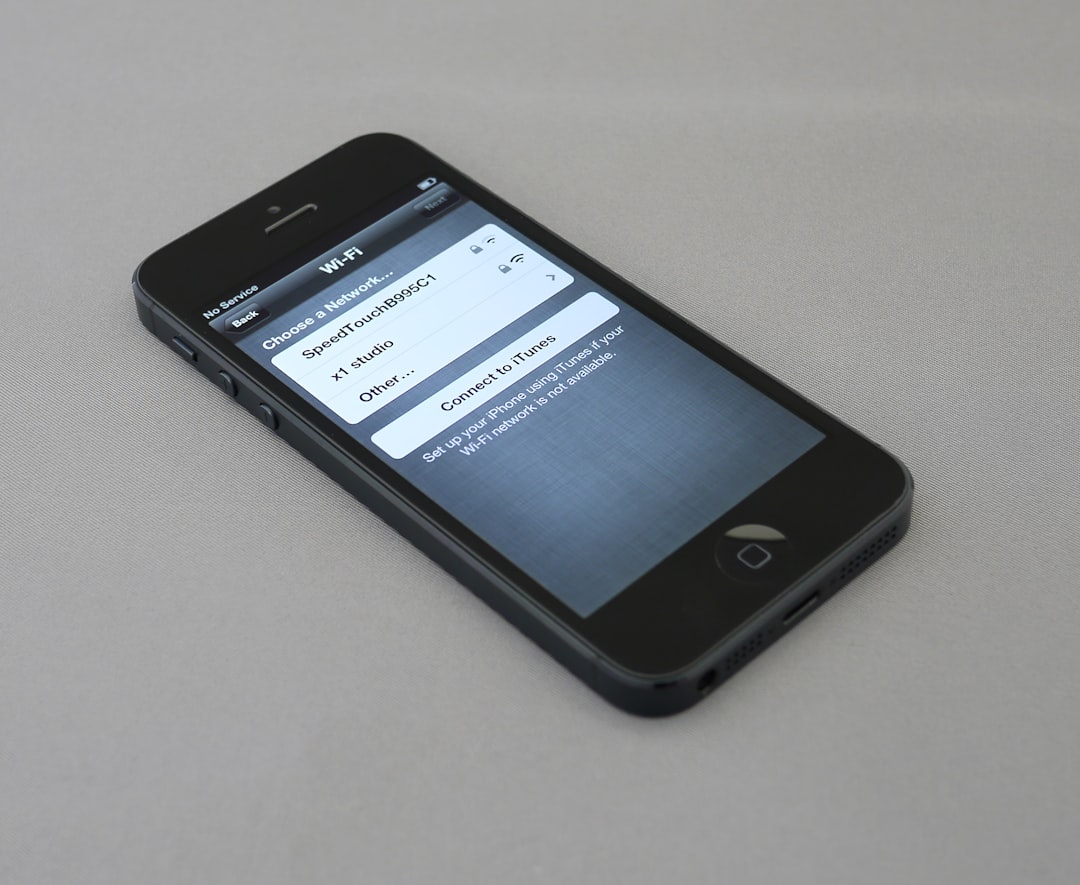
2. Color Accuracy and Vibrancy
Both displays are calibrated for superb color accuracy. The iPhone XR, despite its LCD panel, offers wide color gamut support and True Tone adjustment. However, the OLED screen on the iPhone X tends to show more vibrant colors and better saturation under most conditions.
If you’re editing photos, watching movies, or gaming, you’ll notice the more immersive experience on the OLED screen—though it can sometimes appear overly dramatic for those who prefer natural tones.
3. Resolution and Sharpness
- iPhone X: 2436 x 1125 pixels at 458 ppi
- iPhone XR: 1792 x 828 pixels at 326 ppi
This is a significant point of contention. The iPhone X has a much higher pixel density, resulting in crisper text and sharper visuals. Meanwhile, the XR’s lower resolution is technically closer to 720p HD, which some may describe as underwhelming for a phone in its price range.
Still, Apple’s LCD implementation is top-tier, and many users won’t notice the difference unless the phones are examined side-by-side.
Why the LCD on the iPhone XR Isn’t a Dealbreaker
Despite what sounds like a serious downgrade, the iPhone XR’s LCD has some practical advantages:
- Battery Life: The LCD screen on the XR consumes less power when displaying bright content, contributing to longer battery life compared to the iPhone X.
- Color Stability: OLED screens can sometimes show color shifts at off-angles. The XR’s LCD maintains color accuracy at various viewing angles, giving it a practical edge in certain use-cases.
- Lower Cost: The LCD is more affordable to manufacture, allowing Apple to offer the XR at a significantly lower price point than the iPhone X during their respective launches.
In short, for users who don’t need razor-sharp resolution or pitch-black contrast, the XR delivers a display experience that’s more than competent for its class.
Durability and Burn-In Risks
One area where LCD has the upper hand is durability. OLED panels can suffer from burn-in—a phenomenon where static images (like icons or UI elements) leave ghost images on the screen over time.
While Apple has designed the iPhone X’s OLED to resist burn-in better than many competitors, it remains a theoretical risk, especially for users who often keep their screens on for long periods. The XR’s LCD, by contrast, is impervious to burn-in, offering better long-term durability in this aspect.
Multimedia and Gaming Experience
For video consumption, the iPhone X is clearly the better device. The OLED screen makes streaming HDR content on Netflix or Apple TV+ a noticeably richer experience than on the LCD-equipped XR.
Gaming, too, feels more vivid on the iPhone X due to the deep blacks and punchy visuals, though the XR performs admirably and sometimes offers longer sessions thanks to better battery efficiency.
Verdict: Which Should You Choose?
Choosing between the iPhone X and XR ultimately comes down to what matters more to you:
- If you prioritize display quality, color vibrancy, and contrast: The iPhone X is the clear winner.
- If you value battery life, price-to-performance ratio, and general durability: The iPhone XR is a smarter choice.
Neither phone is objectively “better”—it’s more about the trade-offs you’re willing to accept. The iPhone X’s screen is undeniably superior in technical terms, but the XR provides a well-rounded user experience without breaking the bank.
Bottom Line
Apple’s decision to use OLED in the iPhone X introduced a new level of display excellence, raising expectations for iPhones going forward. However, the XR showed that an LCD can still be highly capable, especially when engineered to Apple’s exacting standards.
Whether you’re an enthusiast seeking pixel-perfection or a casual user looking for value and reliability, both the iPhone X and XR have a lot to offer. The display might just tip the scale, depending on what your eyes—and wallet—prefer.