Growing and maintaining long hair is not only about patience; it is about building a thoughtful, sustainable care plan that supports hair health over time. A long hair care routine must respect individual hair types, lifestyles, and environmental factors while minimizing damage and maximizing strength. When approached with expert guidance and consistency, long hair can remain healthy, resilient, and vibrant for years.
TLDR: A sustainable long hair care plan focuses on scalp health, gentle cleansing, strategic moisture, and damage prevention tailored to each hair type. Consistency matters more than expensive products, and small habits like protective styling and mindful trimming add up over time. Nutrition, lifestyle, and environmental awareness complete the foundation for long-term hair growth. Long hair thrives when care is personalized, balanced, and patient.
Understanding What “Sustainable” Hair Care Really Means
Sustainability in hair care goes beyond eco-friendly packaging. It refers to a long-term approach that avoids burnout, excessive damage, and unrealistic routines. A sustainable plan is one that a person can maintain daily or weekly without overwhelming effort or cost.
Experts emphasize that healthy length retention depends on minimizing breakage, not forcing growth. Hair naturally grows at a similar rate for most people, but length is retained when strands remain strong from root to tip. This mindset shift helps individuals focus on care rather than quick fixes.
Building the Foundation: Scalp Health Comes First
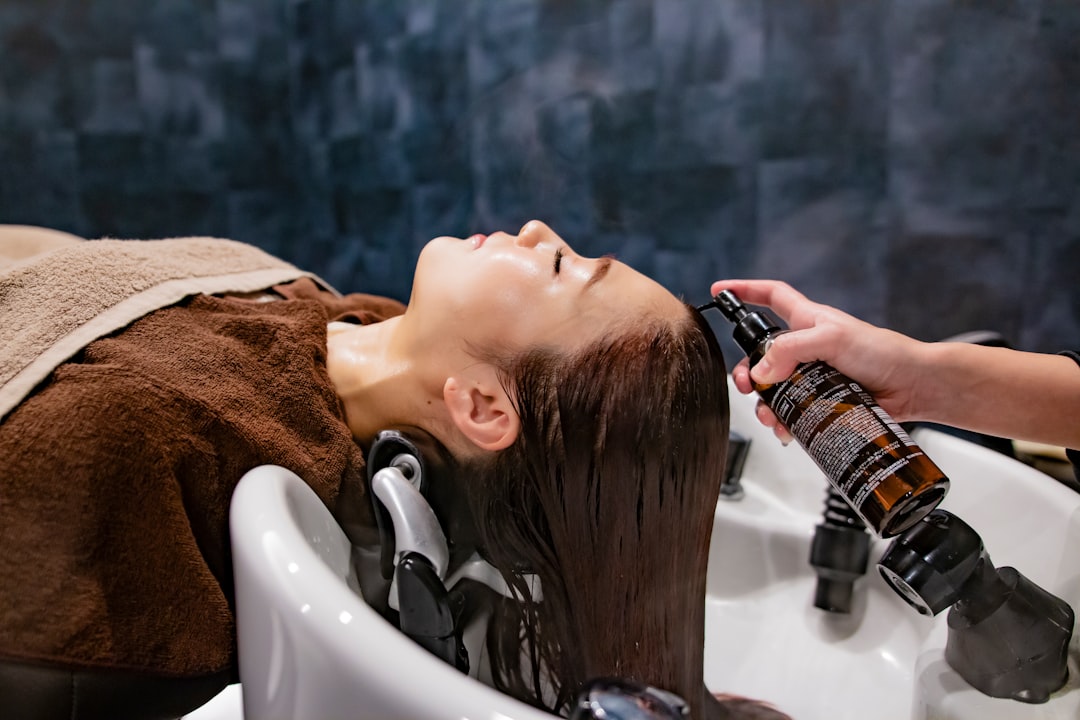
The scalp is the living environment where hair growth begins. Without a clean, balanced scalp, even the best products will fall short. Dermatologists and trichologists often compare the scalp to soil; if it is unhealthy, hair cannot thrive.
Key scalp care principles include:
- Regular cleansing: Frequency depends on hair type and lifestyle, but buildup should never be ignored.
- Gentle exfoliation: Occasional exfoliation helps remove dead skin and excess oil.
- Circulation support: Scalp massage encourages blood flow and relaxation.
A sustainable plan avoids harsh scrubs or overuse of medicated products unless prescribed. Balance and moderation are essential.
Cleansing and Conditioning for Different Hair Types
No single wash routine works for everyone. Experts recommend tailoring cleansing methods to hair texture, density, and oil production.
Straight and fine hair often benefits from lightweight shampoos that prevent oil accumulation. Over-conditioning can weigh strands down and lead to limp lengths.
Wavy and curly hair usually thrives with gentler cleansers and richer conditioners. Hydration helps define texture and reduce frizz, which can cause mechanical damage during detangling.
Coily and tightly textured hair typically requires less frequent washing and more emphasis on moisture retention. Cream-based cleansers or co-washing methods are often recommended.
Conditioning should focus on the mid-lengths and ends, where hair is oldest and most fragile. Leaving conditioner on for adequate time improves slip and reduces breakage.
Moisture, Protein, and Balance
Long hair requires a careful balance between moisture and protein. Too much moisture can cause strands to stretch and snap, while excess protein may leave hair brittle.
Experts advise listening to the hair’s behavior rather than following trends. Hair that feels mushy or overly soft may need light protein support, while hair that feels stiff usually benefits from hydration.
- Moisture sources include humectants, oils, and conditioning agents.
- Protein sources help reinforce damaged areas of the hair shaft.
A sustainable routine rotates these elements as needed rather than applying everything at once.
Protective Styling and Daily Habits That Preserve Length
Daily habits play a major role in long hair sustainability. Friction, tension, and repetitive stress are common causes of breakage that often go unnoticed.
Expert-recommended habits include:
- Using silk or satin pillowcases to reduce friction.
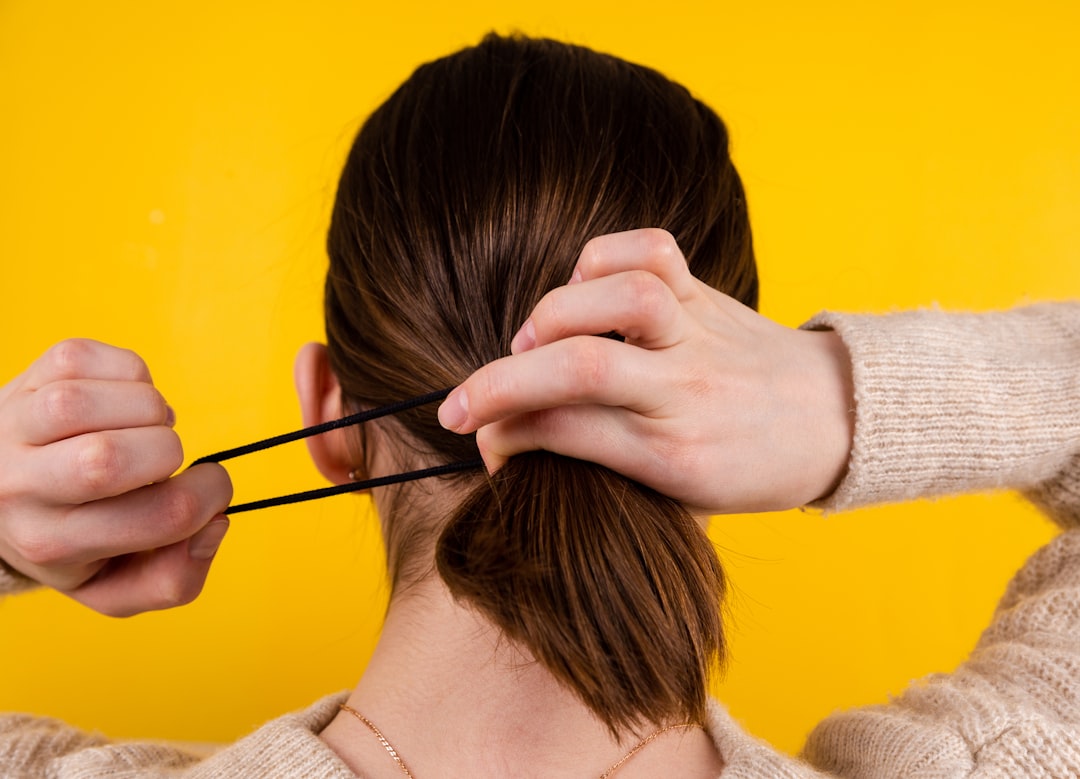
- Choosing loose, low-tension styles over tight ponytails.
- Detangling gently with fingers or wide-tooth combs.
Protective styles are not about hiding hair, but about reducing exposure to stressors. Even simple styles like loose braids or buns can significantly improve length retention.
Heat Styling and Chemical Treatments: Setting Boundaries
Long hair can coexist with heat styling and color services, but boundaries are essential. Professionals recommend viewing heat and chemical treatments as occasional tools, not daily habits.
When heat is used, a heat protectant and controlled temperatures are non-negotiable. Air-drying or low-heat methods should dominate a sustainable routine.
Chemical treatments require additional care, including deep conditioning and protein support. Scheduling treatments with adequate recovery time helps preserve overall hair integrity.
Trimming as a Growth Strategy
Contrary to popular belief, trims do not make hair grow faster, but they are critical for maintaining long hair. Split ends can travel upward, leading to more breakage and loss of length.
Experts suggest micro-trims every few months, adjusted based on hair condition rather than a strict calendar. This approach prevents major length loss while keeping ends healthy.
Nutrition, Lifestyle, and Environmental Factors
Hair reflects internal health. A sustainable long hair care plan includes nutrition and lifestyle awareness. Adequate protein, iron, essential fatty acids, and hydration all support hair growth.

Stress management and sleep quality also influence hair health. Chronic stress can disrupt growth cycles, making holistic self-care an important, though often overlooked, part of hair maintenance.
Creating a Routine That Lasts
The most effective long hair care plan is one that aligns with real life. Experts encourage simplifying routines and focusing on consistency rather than complexity.
A sustainable routine evolves with the seasons, age, and lifestyle changes. Flexibility ensures that hair care remains supportive rather than burdensome.
Frequently Asked Questions
- How long does it take to see results from a new hair care routine?
Most people notice reduced breakage and improved texture within 6 to 8 weeks, while visible length retention takes several months. - Is it possible to grow long hair with fine or thin strands?
Yes. Fine hair can grow long when handled gently and protected from breakage. - Do natural products work better for long hair?
Not necessarily. Effectiveness depends on formulation and suitability for the individual’s hair rather than product labeling. - How often should long hair be washed?
Washing frequency varies by scalp type, activity level, and hair texture. Clean scalp health is more important than a fixed schedule. - What is the biggest mistake people make when growing long hair?
Impatience. Over-manipulation and frequent product switching often cause more harm than good.