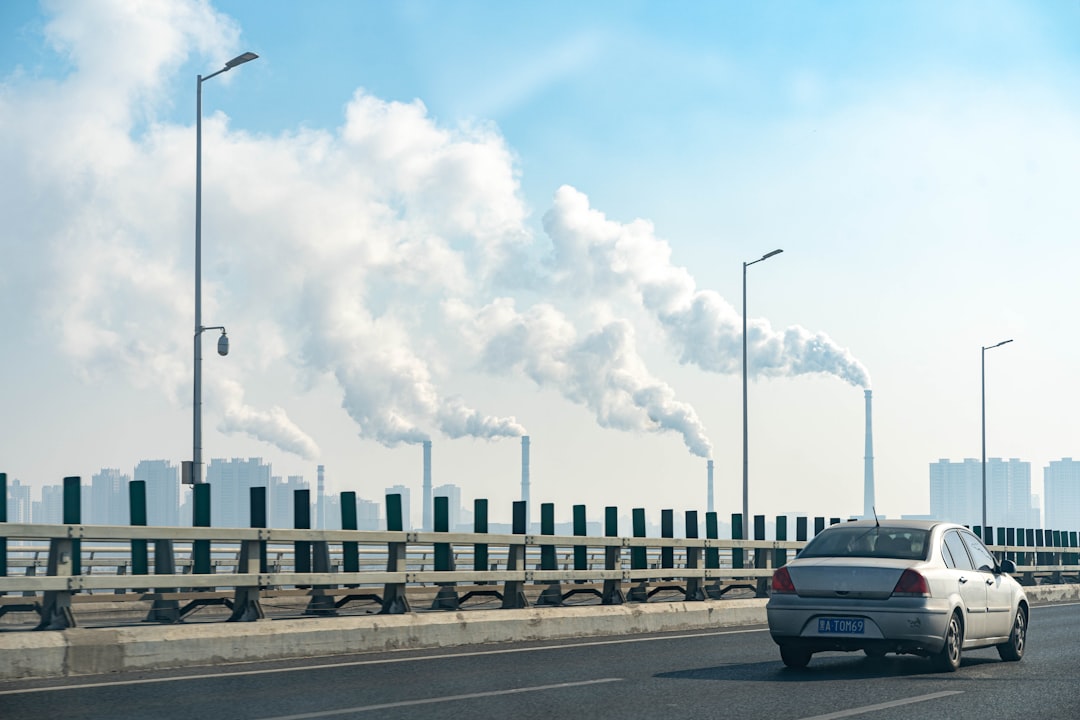
Located along the shoreline of Lake Michigan, Kenosha is more than just a vibrant Wisconsin community — it’s also one of many cities taking steps toward a cleaner environment. In recent years, environmental awareness in the area has increased dramatically, with a major point of discussion focusing on emissions testing and its effects on sustainability. Emerging environmental technologies are transforming how Kenosha approaches air quality standards and vehicle emissions. This article explores how emissions testing in Kenosha works, the technology behind it, and what it means for both residents and the environment.
TL;DR
Emissions testing in Kenosha plays a vital role in regulating air quality and ensuring environmental health. Utilizing advanced environmental technologies, the city adheres to statewide regulations to limit vehicle pollution. Testing centers are accessible and efficient, offering residents a straightforward way to stay compliant while supporting eco-friendly practices. With innovations like remote sensing and OBD diagnostics, emissions testing is becoming more accurate and less intrusive.
Why Emissions Testing Matters in Kenosha
Air pollution remains a pressing issue across the globe, and Wisconsin is no exception. Vehicle emissions contribute significantly to air contaminants such as nitrogen oxides, carbon monoxide, and volatile organic compounds. These pollutants not only harm the environment but also pose serious health risks. By implementing emissions testing, Kenosha and other cities can detect high-polluting vehicles and enforce necessary repairs or maintenance.
Key reasons emissions testing is essential:
- Protects air quality – Helps keep harmful pollutants out of the atmosphere.
- Public health benefits – Reduces respiratory issues and illnesses associated with poor air quality.
- Environmental compliance – Ensures the city meets state and federal emissions regulations.
- Encourages vehicle maintenance – Promotes timely servicing to improve fuel efficiency and lower emissions.
How Emissions Testing Works in Kenosha
In Wisconsin, emissions testing is administered by the Department of Transportation (WisDOT), and Kenosha is part of the state’s 7-county Vehicle Emissions Inspection Program (VEIP) area. The program targets specific vehicle types and model years to monitor their impact on air quality.
Typically, testing is required for:
- Gasoline-powered vehicles model year 1996 or newer
- Vehicles weighing up to 14,000 pounds
- Registered in Kenosha or other designated counties
- Required biennially, coinciding with registration renewal
Kenosha residents can choose from a number of certified testing locations, many of which are integrated directly with local repair shops and service centers. The process usually takes under 30 minutes, and once the vehicle passes, the results are automatically recorded with WisDOT, ensuring a seamless vehicle registration process.
New Environmental Technologies Shaping Emissions Testing
Advancement in environmental technologies is playing a transformative role in how emissions testing is carried out. Traditional tailpipe tests are being gradually enhanced or replaced by more sophisticated diagnostics and analysis tools.
1. Onboard Diagnostics (OBD-II)
For most vehicles from 1996 onwards, emissions testing is conducted using the OBD-II system. This built-in vehicle system monitors emissions components in real time and stores error codes if components malfunction. During testing in Kenosha, a technician can plug into the OBD port and access data within seconds.
Advantages of OBD-based testing include:
- Faster testing process
- Early detection of potential emission-related problems
- Improved accuracy and reliability
2. Remote Sensing Technology
Remote sensing uses infrared and ultraviolet beams to assess emissions from passing vehicles. Though this method is not yet widely adopted in Kenosha, it represents a promising future avenue for non-intrusive and large-scale vehicle testing.
Devices are positioned roadside, often near high-traffic areas. As a vehicle drives past, it is scanned almost instantly, and vehicles emitting high pollution levels are flagged for further inspection or testing.
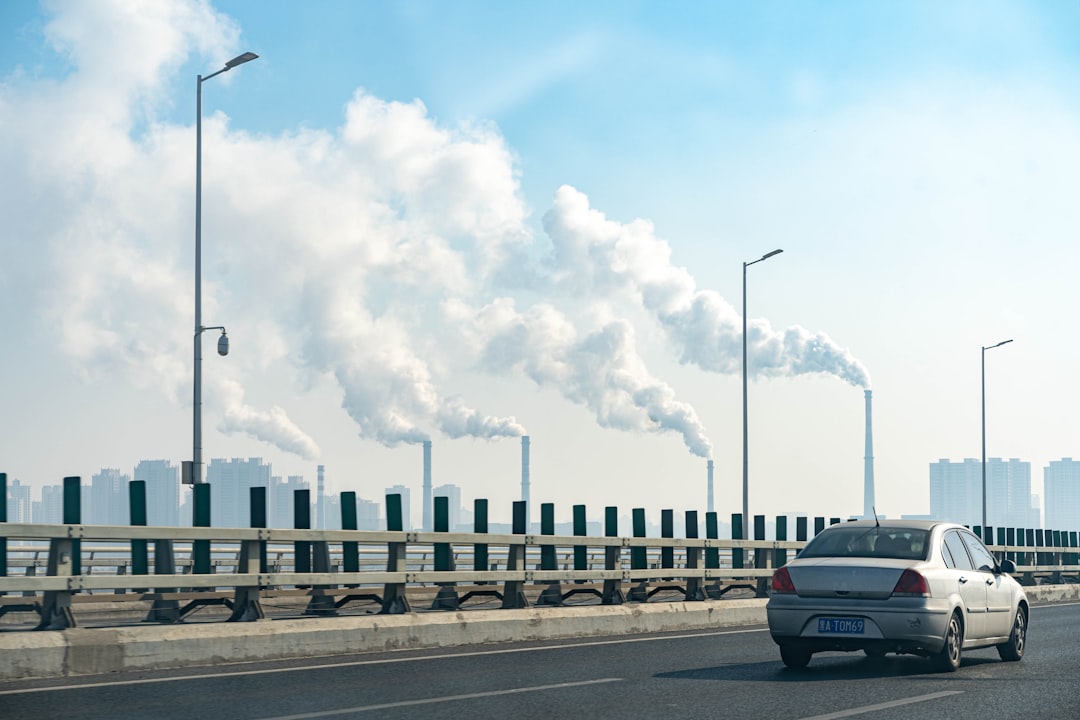
The Role of Sustainable Initiatives in Kenosha’s Emissions Strategy
Emissions testing is just one part of a broader climate-conscious attitude that Kenosha is working to cultivate. Partnering with state agencies and academic institutions, the city is investing in cleaner infrastructure and encouraging residents to adopt sustainable lifestyles.
Significant green actions include:
- Promotion of electric vehicles (EVs) through grants and rebates
- Installation of public EV charging stations around downtown and suburbs
- Integration of solar panels in municipal buildings
- Education campaigns on reducing individual carbon footprints
These actions not only complement the effectiveness of emissions testing but also contribute to long-term environmental gain across Kenosha.
Local Resources for Emissions Testing
Finding testing facilities in Kenosha is easier than ever. As of 2024, there are several options throughout the city, including standalone centers and facilities embedded in local auto repair shops.
Some popular testing centers include:
- Kenosha Testing Center (52nd Street)
- Midwest Service Garage
- Racine-Kenosha VEIP Station
- AutoZone Emissions Testing Partners (select locations)
Residents can check the Wisconsin Vehicle Inspection Program website for a searchable directory of locations, operating hours, and appointment booking.
Image not found in postmetaCommon Emissions Testing Failures and How to Avoid Them
One of the more frustrating outcomes for vehicle owners is a failed emissions test. Fortunately, most failures can be prevented with basic maintenance and inspection.
Top reasons for failure:
- Malfunctioning oxygen sensors
- Faulty catalytic converter
- Loose or missing gas caps
- Check engine light being on
- Evaporative emission control system (EVAP) leaks
To reduce the likelihood of failing, consider the following tips before you head to the test:
- Check the gas cap – Ensure it’s tightly sealed and not cracked.
- Drive your car for 10-15 minutes before testing to warm up the engine.
- Fix the check engine light – Don’t ignore it. It’s likely a sign of an emissions issue.
- Perform regular maintenance like oil changes, air filter replacements, and spark plug inspections.
Looking Forward: Emissions Testing and the Future of Clean Air in Kenosha
The city of Kenosha is at a pivotal moment in environmental responsibility. Emissions testing is a critical step in monitoring and mitigating air pollution from vehicles, but it’s clear that the future lies in smart, interconnected technologies and proactive community involvement. As the city continues to modernize its systems and invest in green initiatives, residents can expect a cleaner, safer environment for future generations.
In the coming years, innovations like artificial intelligence, machine learning, and real-time emissions tracking could enter the local emissions ecosystem. Mobile apps could alert residents when tests are due, provide performance analytics, and even help schedule repairs.
Conclusion
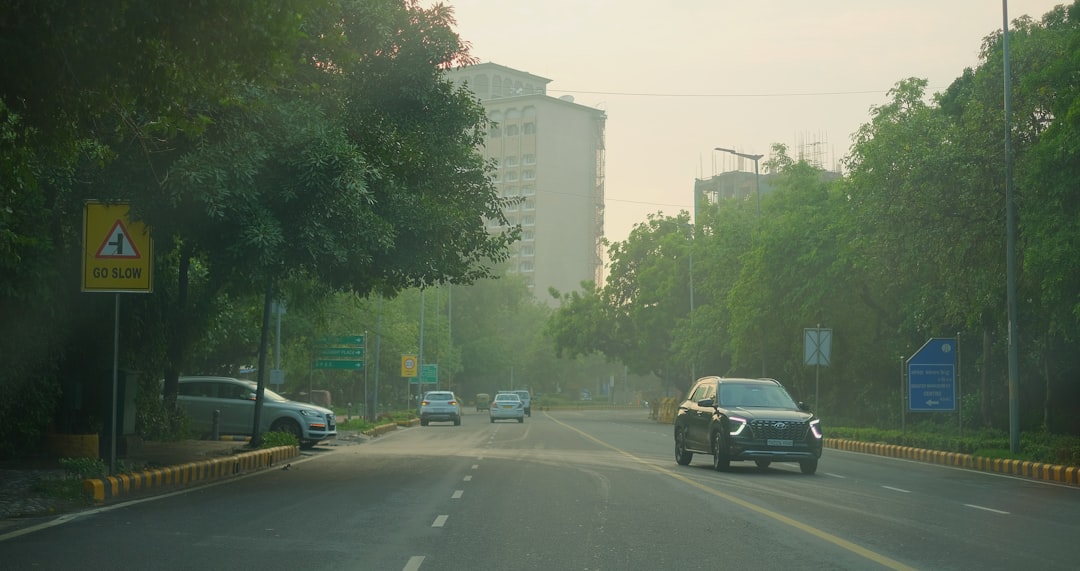
Emissions testing in Kenosha is far more than a bureaucratic responsibility — it’s a linchpin in the broader push for environmental health and sustainability. By embracing cutting-edge diagnostics, remote technologies, and supportive policies, Kenosha is not just complying with state mandates — it’s helping lead Wisconsin toward a greener tomorrow. For residents, compliance with emissions testing isn’t just a regulatory requirement. It’s a shared commitment to a healthier community and a cleaner planet.