
In today’s fast-moving digital environment, publishing content without a clear plan is like sailing without a map. Brands, marketers, and creative teams must juggle blog posts, newsletters, social media updates, campaigns, and analytics—all while maintaining consistency and quality. That’s where content calendar software becomes essential. It transforms scattered ideas and deadlines into a cohesive content strategy that aligns with business goals, keeps teams organized, and makes scaling content production far more achievable.
TLDR: Content calendar software helps teams plan, organize, and execute content strategies more efficiently. It centralizes workflows, improves collaboration, and provides visibility into publishing schedules across channels. With features like automation, analytics integration, and customizable calendars, businesses can maintain consistency and scale their content efforts. Choosing the right platform depends on your team size, goals, and workflow complexity.
What Is Content Calendar Software?
Content calendar software is a digital tool designed to help teams plan, schedule, manage, and track content across multiple channels. Instead of relying on spreadsheets, sticky notes, or disjointed communication threads, these platforms offer structured visual calendars that provide a bird’s-eye view of your content pipeline.
Rather than simply listing publish dates, modern solutions integrate:
- Task assignments and workflow tracking
- Content briefs and attachments
- Approval systems
- Automated publishing
- Analytics and performance metrics
This shift from basic scheduling to end-to-end strategy management is what makes content calendar software such a powerful asset.
Why Managing Content Strategy Requires More Than a Spreadsheet
At first glance, managing content may seem simple: pick topics, assign writers, publish posts. But effective strategy demands more depth and structure. A sustainable strategy requires:
- Alignment with business objectives
- Keyword and audience research
- Consistent branding and messaging
- Cross-channel coordination
- Performance tracking and optimization
Spreadsheets often break down under these requirements. They lack automation, version control, and seamless collaboration. Email threads become tangled. Deadlines are missed. Campaign messaging loses consistency. Content calendar software centralizes everything into one system, eliminating confusion and minimizing costly mistakes.
Key Features That Strengthen Content Strategy
Not all content calendar tools are built equally. The best platforms offer features that directly support strategic planning and execution.
1. Visual Planning Interfaces
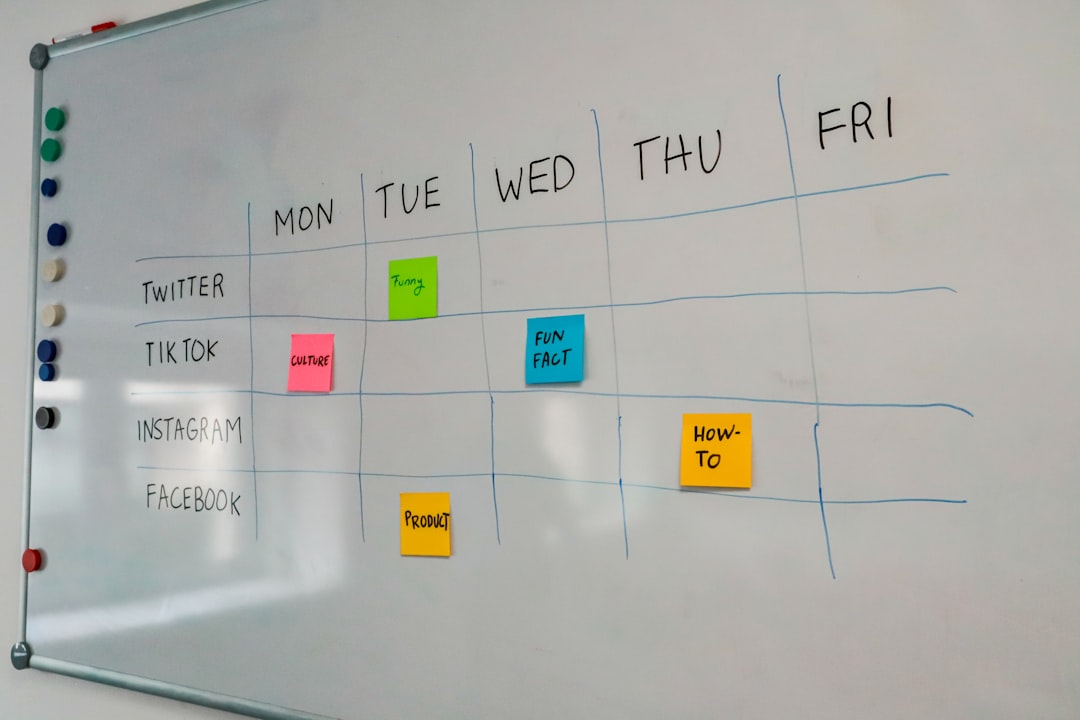
A visual calendar lets teams see monthly, weekly, or daily schedules at a glance. Color-coded categories can represent different content types, campaigns, or channels, making gaps and overlaps immediately visible.
2. Role-Based Collaboration
Clear accountability is critical. Good software allows you to assign roles such as writer, editor, SEO specialist, designer, or approver. Each team member can see their tasks and deadlines, reducing back-and-forth communication.
3. Workflow Automation
Automation ensures a smoother process. For example:
- Draft moves to editor when marked complete
- Notifications trigger when revisions are needed
- Final approval automatically schedules publishing
These workflows eliminate repetitive manual steps and reduce bottlenecks.
4. Multi-Channel Scheduling
Content strategies rarely focus on one channel. Blog posts connect to email newsletters. Social media promotes articles. Video amplifies written content. Multi-channel scheduling keeps everything aligned and reinforces unified campaigns.
5. Analytics Integration
Strategic decisions are data-driven. Integrating performance data—such as engagement rates, conversions, or SEO rankings—helps teams refine future content plans.

The Strategic Benefits of Content Calendar Software
Beyond convenience, content calendar platforms drive measurable improvements in performance and efficiency.
Improved Consistency
Consistency builds audience trust. Publishing sporadically weakens brand authority, while a strategically planned calendar ensures continual engagement. Visibility into upcoming content reduces last-minute scrambling.
Better Alignment with Goals
Every piece of content should support broader objectives—brand awareness, lead generation, product launches, or customer retention. With a centralized strategy hub, it becomes easier to map content back to specific goals.
Enhanced Cross-Team Communication
Marketing, design, editorial, and leadership teams often work in silos. A shared content platform provides transparency, so everyone understands campaign timing and priorities.
Efficient Resource Management
By visualizing workloads, managers can prevent burnout and allocate tasks more effectively. This balance improves morale and productivity.
Faster Scaling
As content demands grow, manual systems become unsustainable. With structured workflows in place, scaling from five posts per month to twenty becomes manageable.
How to Implement a Content Calendar System Successfully
Adopting software is only part of the equation. To fully benefit, teams need structured implementation.
Step 1: Define Strategic Objectives
Before populating your calendar, clarify:
- Target audiences
- Core content themes
- Key performance indicators
- Publishing frequency goals
A calendar without strategy remains just a schedule.
Step 2: Map Out Content Pillars
Content pillars ensure thematic consistency. For example, a SaaS brand might focus on:
- Industry education
- Product tutorials
- Customer success stories
- Thought leadership
Assign specific time slots to each pillar to maintain balanced coverage.
Step 3: Establish Workflow Stages
Common stages include:
- Idea
- Brief creation
- Drafting
- Editing
- SEO review
- Design
- Approval
- Publication
- Promotion
Configuring these steps within your calendar software creates clarity and accountability.
Step 4: Track and Optimize
After launching your system, evaluate results monthly or quarterly. Which formats perform best? Which channels generate the most conversions? Use insights to adjust your strategy and refine future scheduling.
Common Challenges and How Software Solves Them
Even experienced teams encounter obstacles in content management.
Missed Deadlines
Automated reminders and task dependencies reduce last-minute scrambles.
Lack of Visibility
Shared dashboards give stakeholders real-time updates, limiting confusion.
Content Duplication
Centralized topic tracking helps prevent repetitive or overlapping pieces.
Inconsistent Branding
With stored brand guidelines, templates, and approval workflows, messaging stays cohesive across channels.
Selecting the Right Content Calendar Software
Choosing the ideal platform depends on your organization’s size and needs.
Consider these factors:
- Team size: Small teams may prefer streamlined tools, while larger organizations need robust permissions and collaboration features.
- Integration capabilities: Ensure compatibility with your CMS, email platforms, analytics systems, and social channels.
- Customization: Flexible workflows and adaptable views are vital for evolving strategies.
- Ease of use: A complex interface may hinder adoption.
- Scalability: Choose a solution that grows with your business.
Testing demos or trial periods can reveal whether the software matches your operational style.
The Future of Content Strategy Management
As marketing grows more data-driven and AI-powered, content calendar platforms are evolving. Advanced systems now incorporate predictive analytics, automated recommendations for optimal posting times, and intelligent tagging based on audience behavior.
The lines between planning, publishing, and performance analysis continue to blur. This integration reflects a broader shift: content strategy is no longer a static plan created quarterly. It is a dynamic, continuous process informed by real-time feedback.
Organizations that embrace structured systems are better positioned to adapt quickly. Whether responding to industry trends, launching new products, or pivoting during market shifts, having a centralized calendar empowers faster decision-making.
Conclusion
Content calendar software has moved beyond being a simple scheduling tool—it is now a cornerstone of modern content strategy. By centralizing planning, clarifying roles, automating workflows, and integrating performance data, these platforms turn chaos into coordinated action.
For businesses that rely on content to build authority, attract leads, and nurture customer relationships, effective management is non-negotiable. With the right system in place, teams can shift their focus from managing logistics to creating meaningful, high-impact content that drives measurable results.
In a world where attention is scarce and competition is fierce, strategic organization isn’t just helpful—it’s essential. And content calendar software provides the structure needed to make ambitious content strategies not only possible, but sustainable.