Maintaining a healthy aquarium requires more than feeding fish and changing water occasionally. A stable aquatic environment depends on careful monitoring of water parameters, equipment performance, and overall tank conditions. Without the right tools, small issues can quickly evolve into serious problems such as fish stress, algae overgrowth, or even tank crashes. Fortunately, modern aquarium tools make it easier than ever to monitor conditions accurately and prevent common mistakes.
TLDR: Successful aquarium care depends on regularly monitoring water quality, temperature, and equipment performance. Essential tools such as thermometers, test kits, filtration monitors, and auto top-off systems help prevent common problems like ammonia spikes, algae growth, and oxygen depletion. Using the right equipment reduces guesswork and protects fish health. Investing in reliable monitoring tools can save time, money, and stress in the long run.
Why Monitoring Aquarium Conditions Matters
Fish and aquatic plants rely on a stable environment. Even minor fluctuations in temperature, pH, or ammonia levels can cause stress and weaken immune systems. Unlike natural bodies of water, home aquariums are enclosed systems, meaning toxins can accumulate quickly. Proper tools help aquarists:
- Detect problems early
- Maintain stable water parameters
- Prevent fish disease outbreaks
- Reduce long-term maintenance costs
By monitoring key metrics consistently, aquarium owners can react before small imbalances turn into major emergencies.
Essential Aquarium Monitoring Tools
1. Aquarium Thermometer
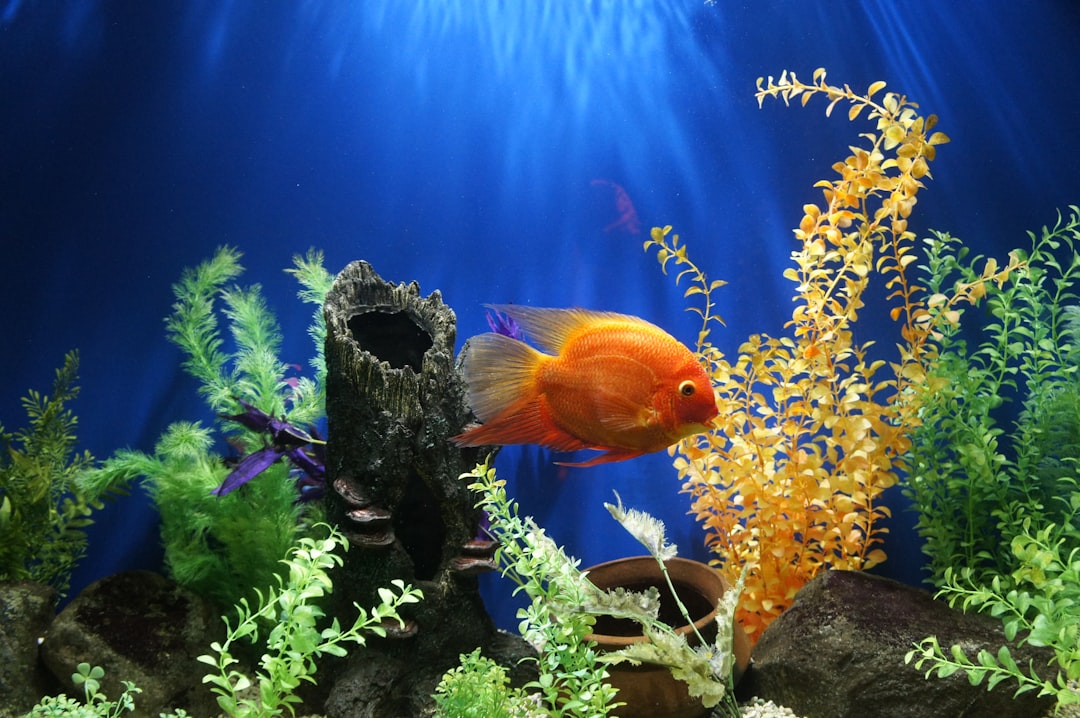
Temperature stability is critical for fish health. Sudden changes can stress aquatic life and disrupt biological filtration.
There are several types available:
- Digital thermometers – Highly accurate with easy-to-read displays.
- Glass thermometers – Traditional and affordable but less precise.
- Infrared thermometers – Contactless surface readings (less common for submerged use).
Consistent temperature monitoring prevents heater malfunctions and seasonal fluctuations from harming fish.
2. Water Test Kits
Water chemistry may look clear but still be harmful. Test kits allow aquarists to measure essential parameters, including:
- Ammonia
- Nitrite
- Nitrate
- pH
- KH and GH
Liquid test kits are generally more accurate than strips, though strips offer convenience. Regular testing helps prevent common issues such as:
- New tank syndrome
- Ammonia spikes
- pH crashes
- Excessive nitrate buildup
Testing weekly—or more often in newly established tanks—ensures the nitrogen cycle remains balanced.
3. Ammonia Alert Badges
For continuous monitoring, ammonia alert badges are placed inside the aquarium. These small devices change color when ammonia levels rise.
While not as precise as liquid tests, they offer early visual warnings and are particularly helpful in quarantine or hospital tanks.
4. pH Monitor or Controller
pH fluctuations can be harmful, especially in tanks housing sensitive species like discus or shrimp. Electronic pH monitors provide real-time readings and eliminate guesswork.
Advanced systems include controllers that automatically adjust CO2 injection in planted tanks, keeping pH stable throughout the day.
5. TDS Meter (Total Dissolved Solids)
TDS meters measure dissolved particles in water. This tool is especially useful for:
- Saltwater aquariums
- Reverse osmosis systems
- Shrimp breeding setups
Maintaining optimal TDS levels helps ensure proper mineral balance and breeding success.
6. Auto Top-Off (ATO) Systems
Evaporation causes fluctuating salinity in marine tanks and can alter water chemistry in freshwater systems. An auto top-off system automatically replenishes evaporated water, maintaining stable levels.
This is particularly essential for reef aquariums where salinity shifts can harm corals and invertebrates.
Image not found in postmeta7. Dissolved Oxygen Meter
Oxygen levels are often overlooked. Poor aeration can lead to fish gasping at the surface. Dissolved oxygen meters measure oxygen concentration and help identify circulation issues.
This tool is especially useful in:
- Heavily stocked tanks
- Warm water setups
- Breeding tanks
8. Water Level Alarm
Water level alarms detect drops due to leaks, evaporation, or filter malfunctions. Early alerts can prevent water damage and protect valuable livestock.
9. Smart Aquarium Controllers
Modern aquarium technology allows hobbyists to monitor conditions remotely.
Smart controllers can track:
- Temperature
- pH
- Salinity
- Water levels
- Light cycles
Some systems send phone notifications if parameters drift outside safe ranges, providing peace of mind when away from home.
Comparison Chart of Popular Aquarium Monitoring Tools
| Tool | What It Monitors | Best For | Level of Precision | Automation |
|---|---|---|---|---|
| Digital Thermometer | Water temperature | All aquariums | High | No |
| Liquid Test Kit | Ammonia, nitrite, nitrate, pH | Freshwater and saltwater | Very High | No |
| Test Strips | Basic water parameters | Quick checks | Moderate | No |
| Ammonia Alert Badge | Ammonia | Quarantine tanks | Moderate | Continuous |
| ATO System | Water level, salinity stability | Marine tanks | High | Yes |
| Smart Controller | Multiple parameters | Advanced setups | Very High | Yes |
| TDS Meter | Dissolved solids | RO systems, shrimp tanks | High | No |
Common Aquarium Problems and the Tools That Prevent Them
Ammonia Spikes
Detected early using liquid test kits and ammonia alert badges.
Temperature Swings
Prevented with digital thermometers and heater controllers.
Salinity Fluctuations
Managed with ATO systems and refractometers.
Low Oxygen Levels
Identified using dissolved oxygen meters and improved through aeration adjustments.
pH Instability
Monitored with pH meters and stabilized via buffering systems.
How Often Should Aquarium Conditions Be Checked?
The frequency depends on tank age and stock level:
- New aquariums: Test 2–3 times per week.
- Established tanks: Test weekly.
- Marine and reef tanks: Monitor salinity and temperature daily.
- Heavily stocked tanks: More frequent ammonia and nitrate checks.
Automation tools reduce manual workload, but periodic verification remains important for accuracy.
Balancing Technology and Observation
While tools are invaluable, visual inspection should never be ignored. Signs of trouble include:
- Fish gasping at the surface
- Clamped fins
- Cloudy water
- Unusual algae growth
- Sudden behavioral changes
Experienced aquarists combine data from monitoring devices with careful observation to maintain optimal conditions.
Investing in Prevention Saves Time and Money
Although purchasing monitoring equipment may seem costly upfront, preventing fish loss, disease treatment, and system crashes ultimately saves money. A well-monitored aquarium is more stable, healthier, and easier to maintain over time.
Whether maintaining a small freshwater tank or an elaborate reef ecosystem, the right tools act as an insurance policy against preventable problems.
Frequently Asked Questions (FAQ)
1. What is the most important tool for beginners?
A reliable liquid water test kit is essential. It helps monitor ammonia, nitrite, nitrate, and pH—critical parameters for new tanks.
2. Are digital thermometers better than glass ones?
Digital thermometers generally offer higher accuracy and easier readability, making them preferable for most aquariums.
3. How often should water parameters be tested?
New tanks should be tested multiple times per week. Established tanks typically require weekly testing.
4. Do I need a smart aquarium controller?
Smart controllers are not mandatory but are helpful for advanced setups or owners who travel frequently and want remote monitoring.
5. Can test strips replace liquid test kits?
Test strips are convenient for quick checks, but liquid kits are more accurate and better for diagnosing issues.
6. What causes sudden ammonia spikes?
Overfeeding, adding too many fish at once, inadequate filtration, or disturbing the biological filter can cause spikes.
7. Is a TDS meter necessary for freshwater tanks?
It is not required for basic freshwater setups but is highly useful for shrimp tanks or when using reverse osmosis water.
Monitoring tools transform aquarium care from reactive troubleshooting into proactive management. By equipping a tank with the right devices and using them consistently, aquarists can maintain balanced conditions, reduce common risks, and create a thriving aquatic environment.