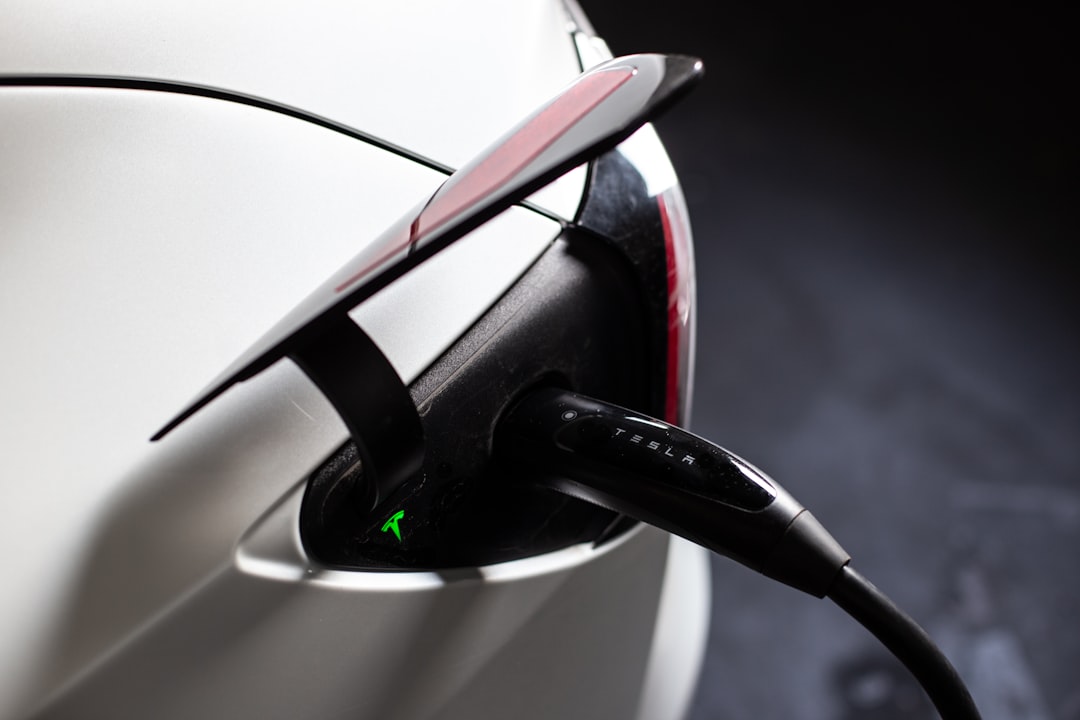
Owning an electric vehicle is already a smart financial and environmental decision, but the real long-term savings often come down to how you charge at home. A thoughtfully planned and correctly used home charging station can significantly reduce your monthly energy costs, extend your vehicle’s battery life, and even boost your home’s value. With electricity prices fluctuating and EV adoption accelerating, understanding how to charge smarter is just as important as choosing the right car.
TLDR: Home charging costs can be dramatically reduced by choosing the right charger, charging during off-peak hours, and optimizing your home’s electrical setup. Simple habits like scheduling charge times and monitoring energy use add up over time. Incentives, solar integration, and smart chargers offer even greater long-term savings. A little planning now can save thousands over the life of your EV.
Understand Your Charging Options Before You Install
One of the biggest money-saving mistakes EV owners make is installing a charger without understanding their actual needs. Home charging generally falls into two categories: Level 1 and Level 2. Level 1 uses a standard household outlet and costs almost nothing to start, but it can take more than 24 hours to fully charge some vehicles. Level 2 requires a dedicated 240-volt circuit and higher installation costs, but it delivers faster charging and often more efficient energy use.
If you drive short distances daily, a Level 1 charger might be sufficient and could save you hundreds or even thousands in installation costs. On the other hand, frequent drivers may benefit more from a Level 2 charger, especially if it allows charging during cheaper overnight hours.
Choose the Right Charger to Avoid Overpaying
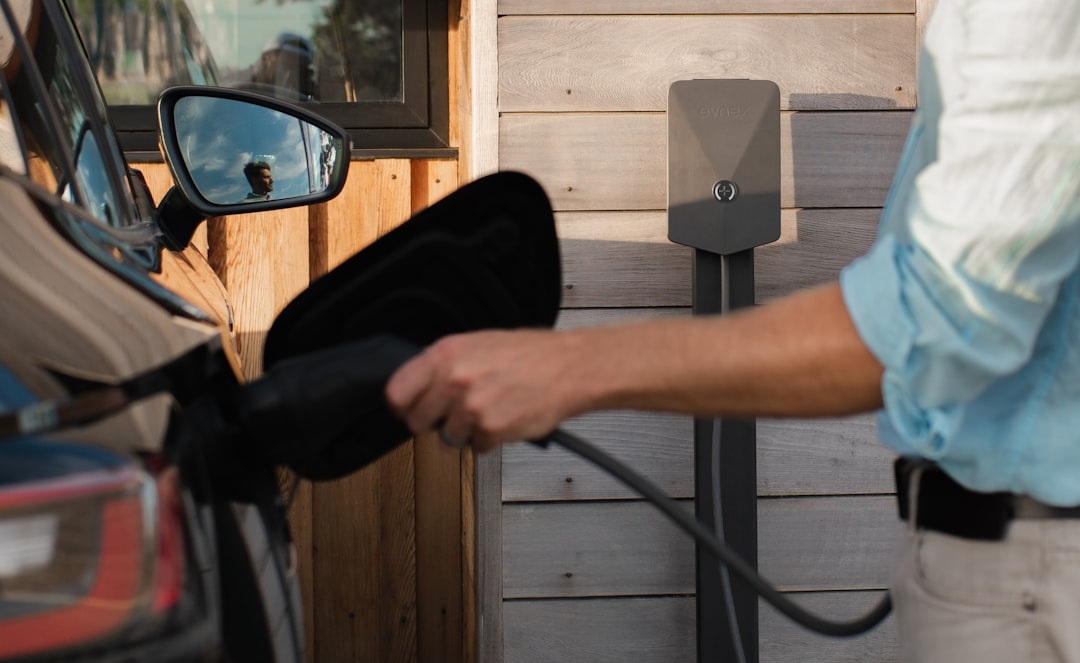
Not all home charging stations are created equal. While premium models come with advanced screens, connectivity, and elaborate cable management, many EV owners pay for features they rarely use. Focus instead on efficiency, reliability, and compatibility with your vehicle.
- Amperage: Higher amperage allows faster charging, but only if your EV can accept it.
- Smart features: Useful for scheduling and tracking usage, but not always required.
- Durability: Outdoor installations should be weather-rated to avoid costly replacements.
A mid-range charger with essential smart features is often the sweet spot for balancing upfront costs and long-term savings.
Take Advantage of Off-Peak Electricity Rates
Many utilities offer time-of-use pricing where electricity costs significantly less during off-peak hours, typically late at night. Charging during these times can cut your energy cost per mile by up to 50 percent compared to peak-hour rates.
Smart chargers make this extremely easy by allowing you to schedule charging sessions automatically. Even if your charger is not smart, most EVs have built-in scheduling options that accomplish the same goal. The key is consistency, letting the car charge when electricity is cheapest.
Optimize Your Home Electrical Setup
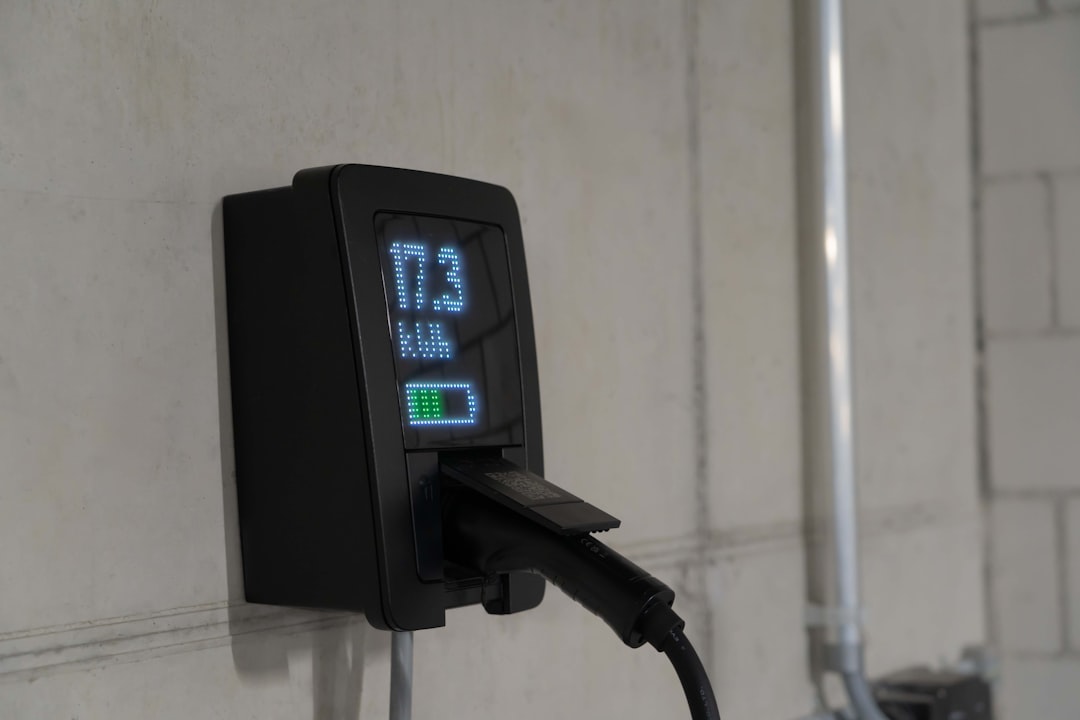
Before installing a home charging station, have an electrician assess your panel capacity. Upgrading a panel can be costly, but in many cases, it can be avoided through load management or by choosing a charger with adjustable amperage.
Some modern chargers dynamically adjust power based on your home’s electricity usage, preventing overloads without requiring panel upgrades. This single feature can save thousands of dollars while maintaining safe charging.
Monitor Energy Usage and Charging Habits
Tracking how much electricity your EV consumes is a powerful cost-control tool. Many smart chargers provide detailed reports that show monthly usage, cost estimates, and charging trends.
By reviewing this data, you can:
- Identify inefficient charging times
- Compare real charging costs to gasoline alternatives
- Adjust habits to minimize energy waste
Awareness alone often leads to more efficient behavior, translating directly into savings.
Use Incentives, Rebates, and Tax Credits
Government incentives can dramatically reduce the cost of installing a home charging station. Depending on your region, you may qualify for federal tax credits, state rebates, or utility-sponsored programs.
Some utilities even offer discounted chargers or installation assistance in exchange for allowing off-peak charging control. Always check local programs before purchasing equipment, as incentives change frequently and are sometimes available retroactively.

Consider Solar Integration for Maximum Savings
If you already have solar panels or are considering them, integrating your EV charging setup can be a game changer. Charging your vehicle directly from solar energy can reduce charging costs to near zero during daylight hours.
Even without full solar integration, pairing your charger with a home energy management system allows you to prioritize self-generated power and avoid buying electricity at peak rates. Over the lifespan of an EV, this can translate into substantial savings.
Avoid Battery-Degrading Habits
Saving money isn’t just about electricity bills; it’s also about protecting your EV’s battery. Replacing a battery is expensive, so proper charging habits matter.
- Avoid frequent charging to 100 percent unless necessary
- Limit excessive use of fast charging at home
- Keep the battery between 20 and 80 percent for daily use
By following these guidelines, you extend battery lifespan and preserve your vehicle’s resale value.
Plan for the Future, Not Just Today
When installing a charging station, think beyond your current EV. Future vehicles may support higher charging speeds or require different connectors. Choosing a charger that supports firmware updates or swappable cables can prevent expensive upgrades later.
Additionally, a well-installed charging station can increase your home’s appeal if you decide to sell, particularly as EV adoption continues to grow.
Final Thoughts: Small Changes, Big Savings
Saving money on home EV charging doesn’t require drastic lifestyle changes. It comes down to informed decisions, smart timing, and using available technology to your advantage. By selecting the right charger, charging during off-peak hours, leveraging incentives, and maintaining healthy battery habits, EV owners can enjoy lower operating costs while maximizing convenience.
In the long run, a well-managed home charging setup not only pays for itself but turns your EV into one of the most cost-efficient vehicles you will ever own.