Automotive social media marketing has become a core business function for dealerships, repair shops, parts retailers, detailers, rental companies, and automotive brands. Customers now research vehicles, compare service providers, read reviews, watch demonstrations, and ask questions long before they visit a showroom or book an appointment. A serious social media strategy helps automotive businesses build trust, generate qualified leads, retain customers, and protect their reputation in a highly competitive market.
TLDR: Automotive social media marketing works best when it combines helpful content, consistent branding, local targeting, and fast response times. Businesses should use platforms such as Facebook, Instagram, TikTok, YouTube, LinkedIn, and Google Business Profile based on audience behavior and business goals. The strongest strategies focus on trust, transparency, reviews, video content, promotions, and measurable lead generation. Success depends on planning, compliance, tracking, and continuous improvement.
Why Social Media Matters in the Automotive Industry
The automotive buying journey is no longer limited to newspaper ads, walk-in visits, or phone calls. Today, customers often begin with online research and social validation. They want to see real vehicles, service quality, customer experiences, pricing signals, financing explanations, and proof that a business is reliable.
For dealerships, social media can support vehicle discovery, appointment setting, trade-in inquiries, finance applications, and event promotion. For service centers and repair shops, it can drive maintenance bookings, educate customers about warning signs, and reinforce expertise. For parts and accessory businesses, it can showcase product applications, installations, and performance improvements.
Most importantly, social media gives automotive businesses a direct communication channel with current and future customers. When managed professionally, it can shorten the sales cycle and strengthen long-term loyalty.
Define Your Goals Before Posting
A serious strategy begins with clear objectives. Posting random photos of cars or occasional promotions is not enough. Each piece of content should support a business goal that can be measured.
Common automotive social media goals include:
- Generating leads for vehicle sales, test drives, service appointments, or quotes.
- Increasing brand awareness in a local market or specific customer segment.
- Promoting inventory, including new arrivals, certified pre-owned vehicles, and limited-time offers.
- Building trust through reviews, staff introductions, behind-the-scenes content, and educational posts.
- Improving customer retention with service reminders, seasonal maintenance advice, and loyalty offers.
- Recruiting employees by highlighting workplace culture and career opportunities.
Once goals are defined, assign key performance indicators. For example, if the goal is service bookings, track appointment form submissions, phone calls, messages, and cost per booked appointment. If the goal is awareness, monitor reach, video views, follower growth, and engagement quality.
Know Your Automotive Audience
Not every automotive customer has the same needs. A luxury vehicle buyer may respond to premium imagery, exclusive experiences, and financing confidence. A parent shopping for a used SUV may care about safety, warranty coverage, monthly payment options, and reliability. A performance enthusiast may be drawn to specifications, modifications, sound clips, and track results.
Create audience segments such as:
- First-time buyers who need education and reassurance.
- Families focused on safety, space, and affordability.
- Commercial customers looking for fleet solutions and uptime.
- Luxury buyers who expect personalized service and premium presentation.
- DIY enthusiasts interested in parts, accessories, and installation guidance.
- Service customers who value convenience, honesty, and technical expertise.
The more clearly you understand your audience, the easier it becomes to create content that feels relevant rather than generic.

Choose the Right Social Media Platforms
Every platform has strengths, but not every platform deserves equal attention. Automotive businesses should prioritize the channels where their customers are active and where content can support commercial results.
Facebook remains valuable for local automotive marketing. It supports reviews, community engagement, marketplace-style browsing, ads, events, and messaging. Dealerships and service shops can use it to promote offers, share customer stories, and reach local audiences through targeted advertising.
Instagram is highly visual and effective for showcasing vehicles, detailing work, accessories, transformations, inventory highlights, and lifestyle content. Reels, Stories, and carousel posts can help brands present both product appeal and business personality.
TikTok
TikTok is useful for short, engaging video content. Automotive businesses can post quick walkarounds, repair explanations, “before and after” clips, myth-busting videos, and behind-the-scenes moments. The tone can be more conversational, but accuracy and professionalism are still essential.
YouTube
YouTube is ideal for longer-form content such as vehicle reviews, comparison videos, maintenance explainers, product demonstrations, and financing education. Because YouTube also functions as a search engine, well-optimized videos can continue generating traffic over time.
LinkedIn is especially relevant for fleet sales, commercial vehicles, B2B suppliers, automotive technology companies, and recruitment. It is also a good platform for leadership content and industry credibility.
Google Business Profile
Although not always considered a traditional social media platform, Google Business Profile is critical for local visibility. Regular updates, photos, reviews, accurate hours, and service information can influence customer decisions at the moment they are ready to call or visit.
Create a Content Strategy That Builds Trust
Trust is the foundation of automotive marketing. Customers often worry about overpaying, being pressured, receiving poor service, or not understanding technical issues. Social media content should reduce uncertainty and demonstrate competence.
Effective content categories include:
- Vehicle walkarounds: Show exterior condition, interior features, mileage, technology, cargo space, and key selling points.
- Service education: Explain brake wear, tire rotation, oil change intervals, battery testing, alignment issues, and warning lights.
- Customer testimonials: Share authentic reviews and delivery photos with permission.
- Staff introductions: Help customers recognize sales advisors, service writers, technicians, and managers.
- Behind-the-scenes content: Show inspection processes, detailing, reconditioning, diagnostics, or delivery preparation.
- Promotions: Announce lease specials, service discounts, seasonal packages, or financing events clearly and responsibly.
- Community involvement: Highlight sponsorships, charity work, local events, and partnerships.
A balanced content mix prevents the page from becoming only a sales board. A practical ratio is 60% educational and trust-building content, 25% promotional content, and 15% community or culture content.
Use Video as a Primary Format
Video is one of the strongest formats for automotive social media because vehicles and services are easier to understand when seen in motion. A static image can show a car, but a video can communicate engine sound, cabin quality, dashboard technology, trunk space, paint condition, and real-world usability.
High-performing automotive videos often include:
- Short vehicle walkarounds under 60 seconds.
- Side-by-side comparisons of similar models.
- Technician explanations of common repairs.
- Detailing transformations and restoration clips.
- Customer delivery moments.
- Answers to common financing or warranty questions.
Videos do not always need expensive production, but they must be clear, stable, well-lit, and accurate. Use captions because many users watch without sound. Include a direct call to action such as “Message us to schedule a test drive” or “Book a brake inspection this week.”

Optimize Profiles for Leads and Credibility
Your social media profiles should make it easy for customers to understand who you are, what you offer, and how to contact you. A professional profile is not just a branding asset; it is a conversion tool.
Review each profile for the following:
- Consistent business name across all platforms.
- Clear logo and cover image that match your brand identity.
- Accurate address, hours, phone number, and website link.
- Service areas if the business serves multiple locations.
- Strong bio statement explaining the business clearly.
- Call to action buttons such as call, book now, get quote, or send message.
- Links to inventory, service scheduling, financing, or contact forms.
For automotive businesses with multiple locations, each location should have accurate local information. Customers are often searching with local intent, and inconsistent details can cause lost business.
Run Paid Social Media Campaigns Carefully
Organic content builds credibility, but paid campaigns can accelerate reach and lead generation. Automotive advertising can be effective when audiences, creative, offers, and landing pages are aligned.
Useful paid campaign types include:
- Inventory campaigns promoting specific vehicles or categories.
- Service campaigns for oil changes, tire services, brake inspections, or seasonal maintenance.
- Lead generation ads collecting inquiries directly within the platform.
- Retargeting ads reaching people who visited your website or engaged with content.
- Event campaigns for sales events, grand openings, or community activities.
Advertising in the automotive sector must be transparent. Pricing, financing language, lease terms, disclaimers, and availability should be accurate. Avoid misleading claims or vague offers that damage trust. If compliance rules apply in your region, have ads reviewed before publishing.
Manage Reviews and Reputation
Reviews strongly influence automotive decisions. A customer may compare several dealerships or service centers and choose the one with the clearest evidence of reliability. Social media and review platforms should be monitored consistently.
Best practices include:
- Ask satisfied customers for reviews at the right moment, such as after delivery or successful service.
- Respond to positive reviews with appreciation and specific language.
- Respond to negative reviews calmly, professionally, and without exposing private information.
- Move complex complaints into a direct conversation with a manager.
- Look for patterns in complaints and address operational issues.
A thoughtful response to criticism can reassure future customers. Silence, defensiveness, or generic replies can make the situation worse.
Build a Practical Posting Schedule
Consistency matters more than occasional bursts of activity. A reliable schedule helps audiences recognize your brand and gives platforms more signals to distribute your content.
A basic weekly schedule might include:
- Monday: Service tip or maintenance reminder.
- Tuesday: Vehicle arrival, inventory highlight, or product feature.
- Wednesday: Staff spotlight or behind-the-scenes content.
- Thursday: Customer testimonial or review graphic.
- Friday: Short video, promotion, or weekend appointment reminder.
- Weekend: Community post, event coverage, or lifestyle content.
Plan content monthly, but remain flexible for urgent promotions, weather-related service needs, market changes, or new inventory.
Measure Results and Improve Continuously
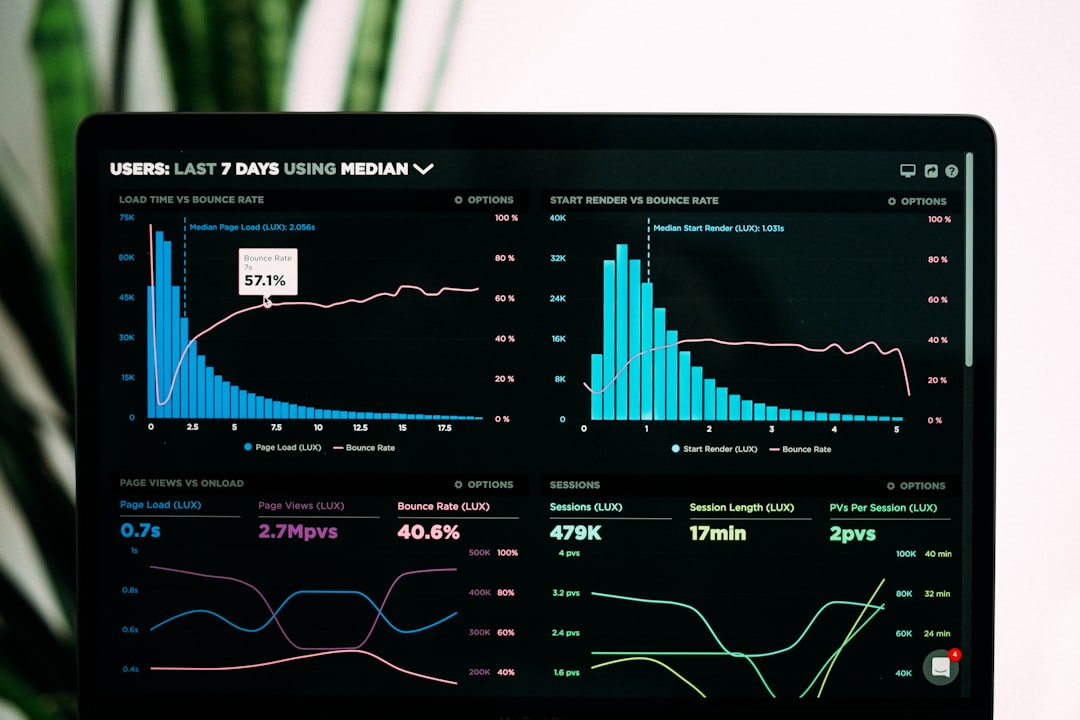
Automotive social media marketing should be evaluated with business metrics, not vanity metrics alone. Likes and followers matter only if they contribute to awareness, trust, or revenue.
Track metrics such as:
- Reach and impressions.
- Engagement rate and meaningful comments.
- Video watch time and completion rate.
- Website visits from social platforms.
- Messages, calls, form submissions, and appointment requests.
- Cost per lead and cost per sale or booking.
- Review volume and average rating.
Use tracking links, call tracking, CRM notes, and platform analytics to connect social media activity to real outcomes. Review performance monthly and identify which content types, offers, and platforms produce the best results.
Common Mistakes to Avoid
Even experienced automotive businesses can weaken their results with avoidable mistakes. The most common include inconsistent posting, poor image quality, slow response times, unclear offers, outdated inventory posts, excessive sales pressure, and ignoring reviews.
Another serious mistake is failing to train staff. If social media leads are not answered quickly, customers will move on. Sales, service, and marketing teams should agree on who responds, how leads are assigned, and what information must be captured.
Final Thoughts
Automotive social media marketing is most effective when it is treated as a disciplined business system rather than a casual promotional channel. The goal is not simply to post more often; it is to communicate value, reduce customer uncertainty, and create clear paths to action.
Businesses that combine trustworthy content, strong visual presentation, responsive communication, careful advertising, and consistent measurement can turn social media into a dependable source of leads and customer loyalty. In a market where customers have many choices, a professional and transparent social presence can be a meaningful competitive advantage.