AI image generation has moved from a fascinating novelty to a practical creative engine for designers, marketers, artists, educators, game studios, and everyday creators. In 2026, the best AI image generators can turn a sentence into polished artwork in seconds, refine rough sketches into production-ready visuals, and help teams create consistent branding, characters, scenes, and product concepts without starting from a blank canvas.
TLDR: The best AI image generators in 2026 combine speed, realism, style control, editing tools, and commercial usability. Midjourney remains a favorite for artistic and cinematic images, while DALL·E and Adobe Firefly are strong choices for accessible, practical, and business-friendly creation. Stable Diffusion-based tools continue to appeal to advanced users who want customization, local generation, and deeper control. The right choice depends on whether you need stunning art, brand-safe visuals, product mockups, character consistency, or professional editing features.
Why AI Image Generators Matter More Than Ever
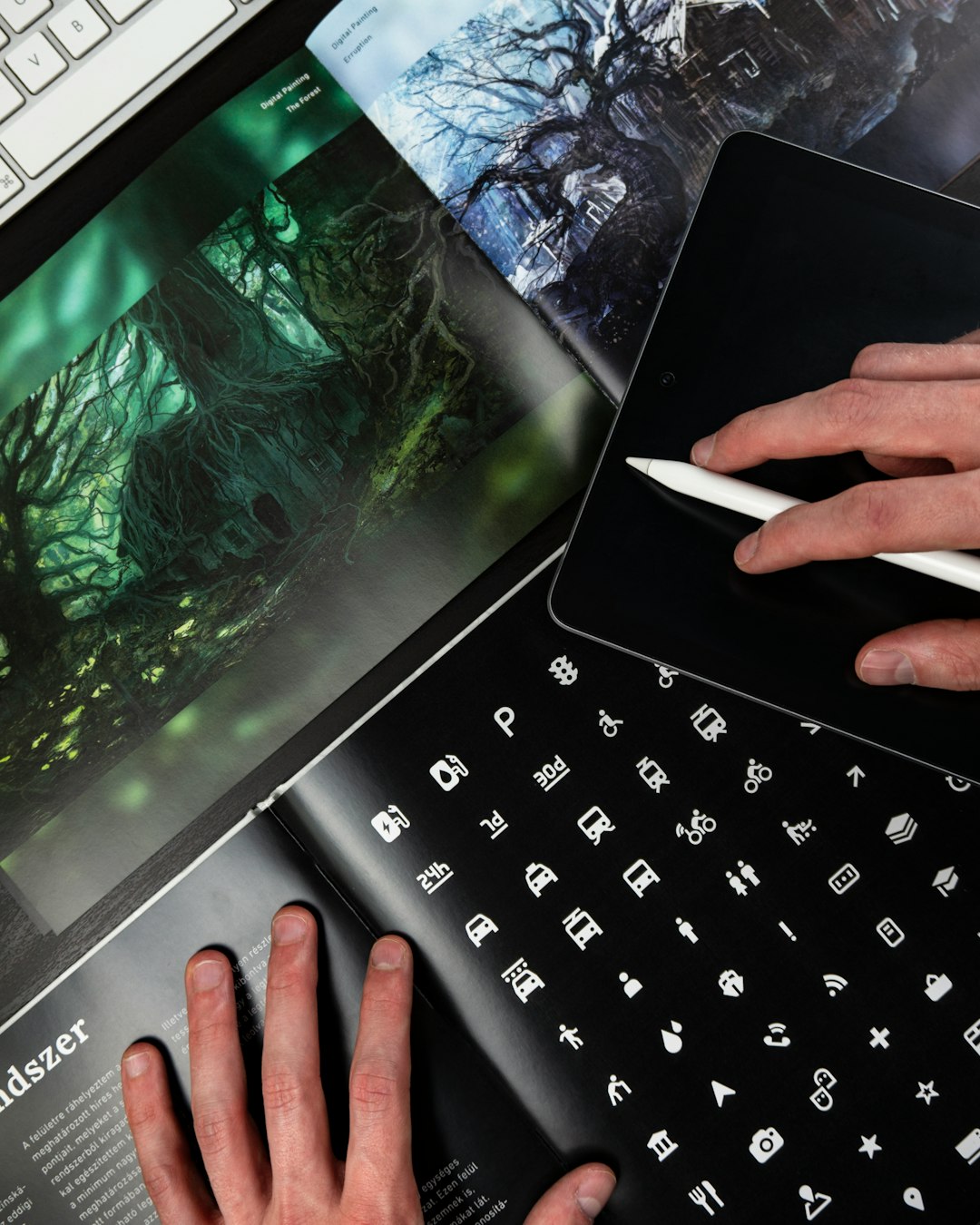
The biggest shift in 2026 is that AI image tools are no longer just about producing a beautiful picture. They are becoming complete visual creation systems. A modern generator can create an image, revise individual elements, expand the canvas, replace backgrounds, adjust lighting, match a brand style, and output variations for social media, ads, websites, packaging, presentations, or concept art.
This matters because visual content demand is higher than ever. Businesses need constant images for campaigns. Content creators need thumbnails, banners, and posts. Product teams need fast mockups. Authors need cover concepts. Game developers need environments and characters. Instead of waiting days for every early-stage visual, teams can now create, test, and iterate in minutes.
That does not mean AI replaces human creativity. The best results still come from people who know what they want, understand composition, and can direct the tool with clear intent. AI image generation is most powerful when it acts like a creative partner: fast, flexible, and endlessly patient.
What Makes an AI Image Generator “The Best” in 2026?
Choosing the best AI image generator is not only about image quality. Many tools can now create attractive visuals, but the leading platforms stand out because they offer a balance of control, reliability, usability, and rights management.
- Image quality: Realistic details, clean anatomy, convincing lighting, and strong composition.
- Prompt understanding: The ability to follow complex instructions without ignoring important details.
- Style range: Support for photography, illustration, 3D, watercolor, anime, editorial, product visuals, and cinematic art.
- Editing tools: Inpainting, outpainting, background replacement, object removal, and regional editing.
- Consistency: The ability to keep the same character, product, or visual identity across multiple images.
- Commercial safety: Clear usage terms and features designed for professional workflows.
- Speed and cost: Fast generation, fair pricing, and enough credits or capacity for regular use.
1. Midjourney: Best for Stunning Artistic Results
Midjourney remains one of the most admired AI image generators for creators who want visually striking, highly polished results. It is especially strong at cinematic lighting, fantasy scenes, surreal art, fashion concepts, architecture, editorial-style imagery, and atmospheric compositions. If your goal is to produce images that feel dramatic, beautiful, and gallery-worthy, Midjourney is often one of the first tools to try.
Its greatest strength is taste. Even simple prompts can produce images with excellent mood, depth, and visual harmony. Designers and artists often use it for mood boards, album concepts, book cover inspiration, worldbuilding, character studies, and campaign visuals.
However, Midjourney may not always be the easiest tool for precise business layouts or text-heavy graphics. It is best when you want visual impact rather than strict design structure. For creative exploration, it is exceptional.
2. DALL·E: Best for Ease of Use and Practical Creativity
DALL·E, from OpenAI, is a strong option for users who want a friendly, conversational experience. Instead of learning complicated prompt formulas, users can describe what they need naturally and refine the result through follow-up instructions. This makes it useful for beginners, marketers, educators, entrepreneurs, and teams that want fast visuals without a steep learning curve.
DALL·E is especially helpful for idea generation, social media images, blog illustrations, concept mockups, and quick creative variations. Its integration with conversational AI workflows makes the process feel less technical. You can ask for improvements such as “make the background cleaner,” “change the style to editorial photography,” or “create a brighter version for a summer campaign.”
Its strength is not only generation but iteration. For many everyday users, that makes it one of the most practical AI image tools available.
3. Adobe Firefly: Best for Commercial and Design Workflows
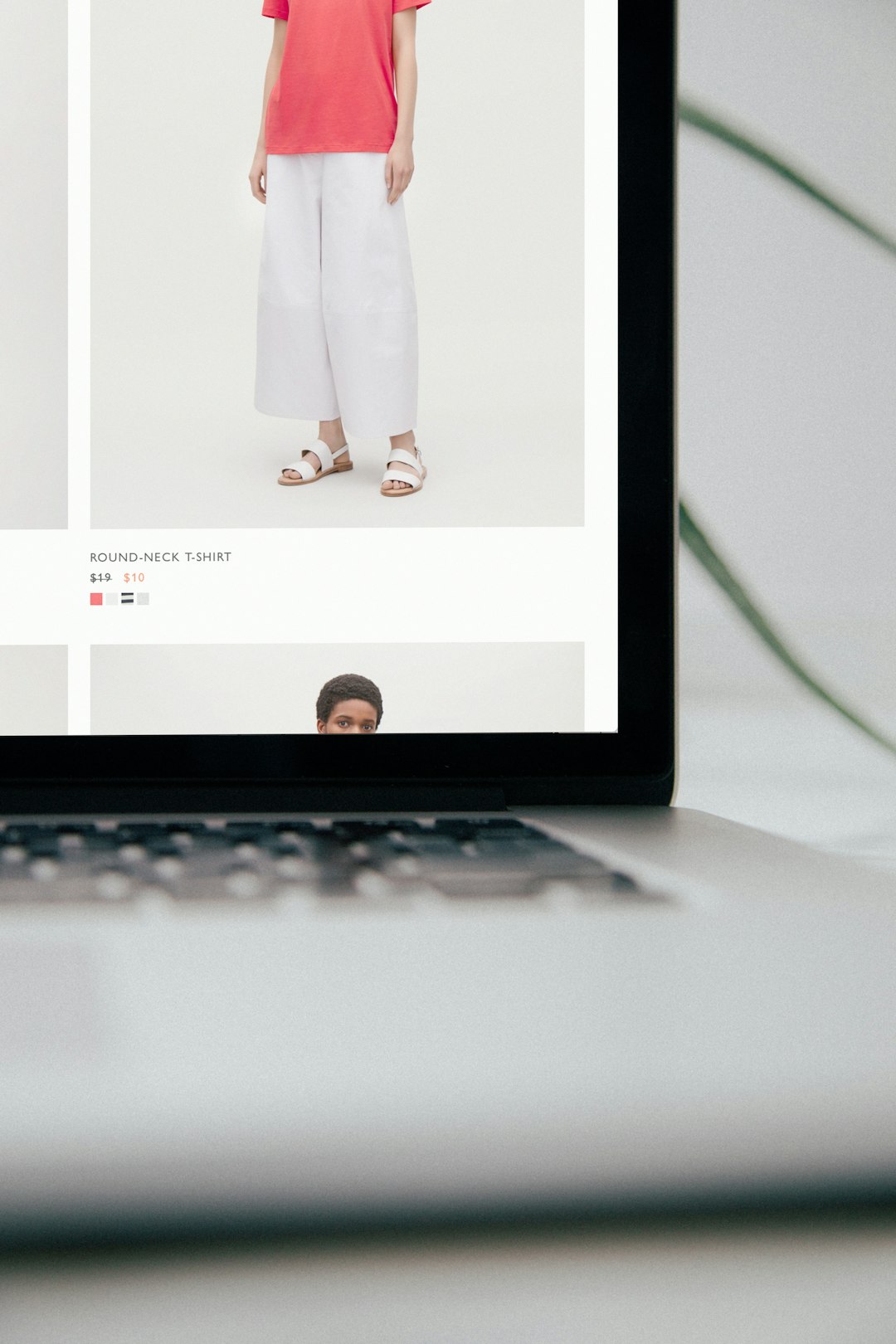
Adobe Firefly is a top choice for professionals already working inside Adobe’s creative ecosystem. It is built with designers, marketers, and commercial creators in mind, and it integrates naturally with tools such as Photoshop, Illustrator, and Adobe Express. That makes it more than an image generator; it becomes part of a broader editing and production workflow.
Firefly is particularly useful for background generation, image expansion, object replacement, text effects, and branded design assets. For businesses concerned about usage rights and content sources, Adobe’s enterprise-friendly positioning is a major advantage.
If you create ads, product visuals, website graphics, or marketing materials, Firefly is one of the most convenient options because it connects generation with professional editing. You can create an image, refine it, add typography, resize it, and prepare it for publication in one workflow.
4. Stable Diffusion Tools: Best for Customization and Control
Stable Diffusion and the wider ecosystem of open image models remain essential in 2026, especially for advanced users. Unlike closed platforms, Stable Diffusion-based tools can often be run locally, customized with specialized models, and fine-tuned for particular styles, characters, products, or visual systems.
This makes them popular among technical artists, game developers, AI studios, researchers, and creators who need deep control. With the right setup, users can adjust models, use control maps, guide poses, preserve character identity, and build repeatable workflows that are difficult to match in simpler tools.
The tradeoff is complexity. Stable Diffusion workflows can require more learning, better hardware, and careful model selection. But for users who want freedom, flexibility, and customization, this ecosystem remains one of the most powerful choices.
5. Leonardo AI: Best for Game Assets and Creative Production
Leonardo AI has become popular with game designers, concept artists, and creators who need stylized assets quickly. It offers tools for character concepts, environments, props, textures, and creative variations. The platform is approachable enough for nontechnical users while still providing useful control for more experienced creators.
One of its strengths is production-oriented generation. Instead of simply making a single attractive image, Leonardo can help users build sets of related visuals. This is valuable for indie games, tabletop projects, worldbuilding, animation concepts, and entertainment branding.
For creators working in fantasy, sci-fi, stylized realism, or game art, Leonardo AI is worth considering as a flexible and creative visual partner.
6. Ideogram: Best for Images with Text
One traditional weakness of AI image generation has been text. Older tools often produced unreadable letters, misspelled slogans, or distorted signs. Ideogram gained attention for handling text inside images better than many competitors, making it useful for posters, logos, stickers, social graphics, and typographic compositions.
While designers should still review and refine output carefully, a tool that understands lettering is extremely valuable. If your project involves words as part of the image itself, such as a retro poster, event graphic, label concept, or bold social media quote, Ideogram can be a practical option.
How to Choose the Right AI Image Generator
The best tool depends on your goal. A photographer, YouTuber, startup founder, teacher, and game artist may all need different features. Before paying for any platform, think about your workflow rather than chasing the most popular name.
- If you want beautiful art: Try Midjourney for cinematic and imaginative visuals.
- If you want simple prompting: Use DALL·E for conversational creation and quick iteration.
- If you work in marketing or design: Consider Adobe Firefly for professional editing integration.
- If you need maximum control: Explore Stable Diffusion-based workflows.
- If you create game or fantasy assets: Look at Leonardo AI.
- If you need readable text in images: Test Ideogram.
It is also smart to compare pricing, generation limits, privacy settings, and commercial licensing. Some platforms are better for personal experiments, while others are designed for business use. If you are creating client work, advertisements, merchandise, or brand assets, always read the usage terms before publishing.
Prompting Tips for Better Results
Even the best AI image generator needs good direction. A vague prompt can work, but a specific prompt usually produces stronger results. Think like an art director. Describe the subject, style, composition, mood, lighting, colors, camera angle, and intended use.
Instead of writing “a dog in a city”, try: “a golden retriever sitting at a rainy city crosswalk at night, cinematic lighting, reflections on pavement, shallow depth of field, realistic photography.” The second prompt gives the AI a clearer creative target.
- Include the medium: photography, oil painting, vector illustration, 3D render, watercolor, pencil sketch.
- Describe lighting: golden hour, soft studio light, neon glow, dramatic shadows, natural daylight.
- Set the mood: peaceful, mysterious, luxurious, playful, futuristic, nostalgic.
- Mention composition: close up, wide angle, symmetrical, overhead view, centered subject.
- Use negative direction when available: exclude blur, extra fingers, distorted text, clutter, or unwanted objects.
The Role of Ethics and Originality
As AI images become easier to create, ethical questions become more important. Creators should avoid using AI to impersonate real people without permission, copy living artists too closely, spread misinformation, or produce deceptive commercial visuals. Responsible use builds trust and protects your reputation.
Originality also matters. The most interesting AI art rarely comes from typing a generic prompt and accepting the first result. Strong creators combine AI output with personal taste, editing, storytelling, and strategy. They use generated images as raw material, then refine them into something with purpose.
Final Thoughts: The Best Tool Is the One That Fits Your Creative Process
The best AI image generators of 2026 make visual creation faster, more accessible, and more exciting than ever. Midjourney shines when you want breathtaking art. DALL·E is excellent for simple, conversational creation. Adobe Firefly is ideal for professional design workflows. Stable Diffusion tools offer unmatched customization. Leonardo AI and Ideogram serve more specialized needs such as game assets and text-based imagery.
Ultimately, the winner is not always the most advanced platform. It is the tool that helps you move from idea to image with the least friction and the most creative control. Whether you are building a brand campaign, illustrating a story, designing a game world, or simply experimenting with imagination, AI image generators now make it possible to create stunning art in seconds—and refine it until it truly feels your own.