Engineering leadership has evolved far beyond shipping code on time. Today’s leaders are expected to balance innovation, performance, morale, and strategic alignment—all while navigating distributed teams and rapidly shifting priorities. Tracking team efficiency is no longer about counting commits or measuring hours worked; it’s about understanding how systems, workflows, and people interact to produce meaningful outcomes.
TLDR: Modern engineering leaders rely on a mix of project management, DevOps analytics, productivity insights, and collaboration monitoring platforms to measure and improve team efficiency. The most effective tools go beyond simple activity tracking and focus on outcomes, cycle time, deployment performance, and team health. By integrating multiple data sources into unified dashboards, leaders gain actionable visibility without micromanaging. The right platforms help turn data into continuous improvement rather than pressure.
In this article, we’ll explore the essential platforms engineering leaders use to track team efficiency—along with what to look for when evaluating them.
1. Project Management and Work Tracking Platforms
At the heart of most engineering operations lies a project management platform. These tools provide visibility into task progress, work distribution, and sprint planning.
Popular categories include:
- Agile boards for sprint tracking
- Kanban systems for flow-based processes
- Roadmapping tools for quarterly and yearly planning
Engineering leaders track efficiency through metrics such as:
- Cycle time
- Lead time
- Sprint velocity
- Work-in-progress limits
- Completion predictability

Rather than using these platforms to measure productivity at the individual level, high-performing leaders focus on systemic issues. For example, if cycle time spikes, the issue might not be developer speed—it could be unclear requirements, review bottlenecks, or environment instability.
Efficiency is rarely about harder work. It’s often about fewer obstacles.
2. DevOps and Delivery Analytics Platforms
For engineering organizations that ship software frequently, DevOps analytics tools provide deep insight into delivery performance. These platforms connect directly to CI/CD pipelines, version control systems, and deployment platforms.
Key metrics often tracked include:
- Deployment frequency
- Change failure rate
- Mean time to recovery (MTTR)
- Lead time for changes
These four metrics—often associated with industry-standard DevOps benchmarks—offer a more realistic measurement of team efficiency than superficial activity indicators.
For example:
- If deployment frequency is high but change failure rate is increasing, speed may be compromising quality.
- If lead time is growing, it might suggest review bottlenecks or overloaded contributors.
Engineering leaders use these dashboards to detect trends early. Over time, they can correlate delivery metrics with staffing changes, process adjustments, or architectural improvements.
The advantage of DevOps analytics platforms is objectivity. They pull directly from source systems, reducing bias and anecdotal reporting.
3. Code Quality and Repository Insights Tools
Code repositories contain rich signals about team efficiency. Repository analytics platforms analyze patterns such as:
- Pull request cycle time
- Review turnaround time
- Commit frequency
- Code churn
- Test coverage trends
But smart leaders know quantity is not quality. A surge in commits doesn’t necessarily mean improved productivity. Instead, indicators like reduced rework, fewer regressions, and consistent review participation paint a clearer picture.
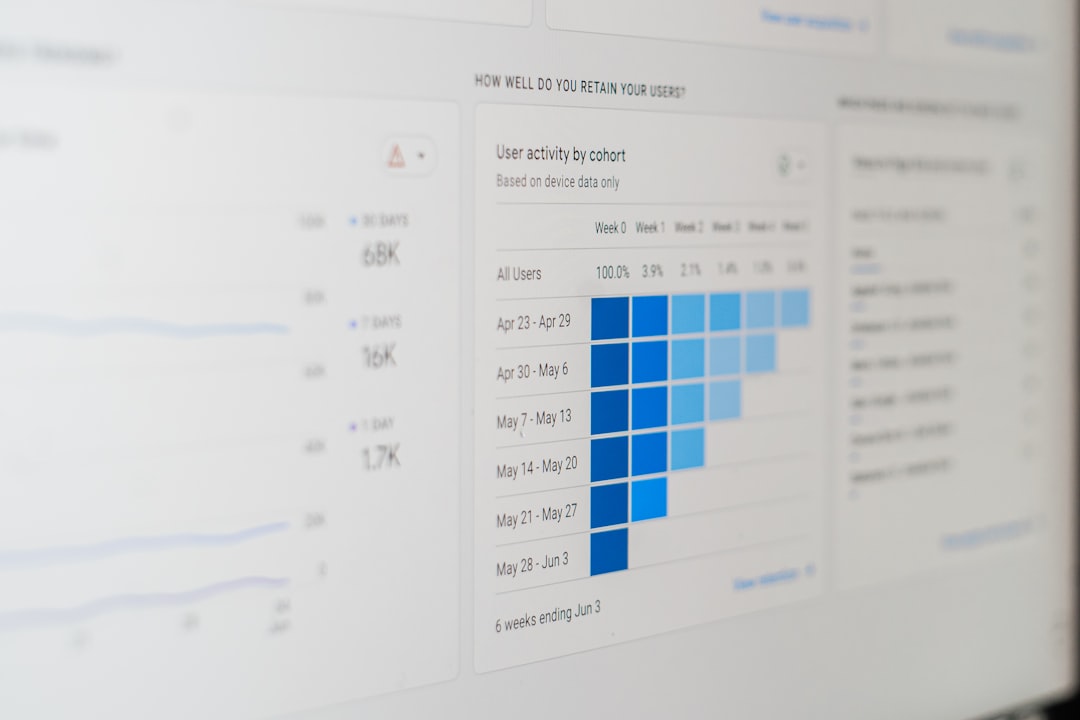
Repository insights tools are particularly valuable for identifying:
- Bottlenecks in code review
- Overloaded senior engineers
- Risk concentration in specific parts of the codebase
Used thoughtfully, these platforms foster team accountability without encouraging surveillance. Transparency around collaboration patterns often leads to better workload balancing.
4. Team Collaboration and Workflow Analytics
In distributed and hybrid engineering teams, collaboration patterns heavily influence efficiency. Communication delays, context switching, and excessive meetings can erode output.
Workflow analytics platforms integrate with:
- Messaging tools
- Meeting systems
- Documentation platforms
They provide insights such as:
- Meeting load distribution
- Interrupt frequency
- Response time averages
- Cross-team interaction heatmaps
For engineering leaders, these insights are invaluable. If senior developers spend 60% of their time in meetings, efficiency drops regardless of technical skill.
The goal is not to monitor conversations—it’s to identify structural inefficiencies like fragmented communication or over-scheduling.
5. OKR and Strategic Alignment Platforms
Team efficiency must align with business objectives. Platforms that track Objectives and Key Results (OKRs) help connect daily engineering activities to broader company goals.
These tools typically allow leaders to:
- Define quarterly objectives
- Measure progress against quantifiable key results
- Cascade goals across teams
- Visualize alignment gaps
Engineering organizations sometimes fall into the trap of optimizing locally—improving sprint velocity without driving meaningful product impact. OKR platforms help prevent this misalignment.
When engineering output directly maps to revenue growth, user acquisition, system reliability, or innovation milestones, efficiency becomes measurable in terms that executives understand.
6. Integrated Business Intelligence Dashboards
Many mature engineering leaders eventually centralize their metrics into business intelligence (BI) dashboards. These platforms aggregate data from:
- Project management systems
- Repositories
- CI/CD pipelines
- Support tickets
- Customer experience tools

By combining multiple data streams, leaders gain a holistic view of team performance. For example:
- Spike in bug reports + slower deployment = potential quality regression
- Higher ticket backlog + stable sprint velocity = prioritization issue
- Improved deployment frequency + rising churn = feature misalignment
Integrated dashboards transform isolated metrics into actionable narratives.
7. Developer Experience Platforms
Increasingly, engineering efficiency is linked to developer experience (DevEx). Platforms dedicated to measuring and improving developer satisfaction evaluate:
- Tooling friction
- Build and test speeds
- Onboarding duration
- Internal documentation clarity
Engineering leaders often survey teams regularly and correlate qualitative feedback with quantitative metrics. If cycle time is steady but morale is declining, problems may be brewing beneath the surface.
Healthy teams sustain efficiency longer than pressured teams.
Choosing the Right Platforms
With so many tools available, selecting the right mix requires careful consideration. Leaders should evaluate platforms based on:
- Integration Capability: Can it connect with existing systems?
- Metric Relevance: Does it track meaningful indicators or vanity metrics?
- Scalability: Will it grow with team and organizational size?
- Transparency: Does it promote collaboration rather than fear?
- Actionability: Does it offer insights, not just data?
The most effective environments combine quantitative dashboards with qualitative leadership judgment. Tools provide clarity—but leaders provide context.
Common Pitfalls to Avoid
Tracking efficiency can easily go wrong if handled poorly. Engineering leaders should avoid:
- Using metrics for individual performance policing
- Over-optimizing a single metric at the expense of others
- Collecting excessive data without clear improvement goals
- Ignoring team feedback about tool burdens
Metrics should drive continuous improvement conversations, not performance anxiety.
The Future of Engineering Efficiency Tracking
Emerging platforms increasingly leverage artificial intelligence to provide predictive insights. Rather than simply reporting what happened, these systems forecast:
- Delivery risk probability
- Burnout likelihood
- Capacity constraints
- Dependency slowdowns
Predictive analytics allows engineering leaders to proactively adjust resources, timelines, and scope before problems escalate.
Furthermore, ethical efficiency tracking is becoming a strategic differentiator. Organizations that maintain transparency about how data is used—and involve engineers in shaping metrics—build trust while still improving performance.
Bringing It All Together
Tracking engineering team efficiency requires a balanced ecosystem of platforms:
- Project management tools for visibility
- DevOps analytics for delivery performance
- Repository insights for collaboration health
- Workflow analytics for communication efficiency
- OKR platforms for strategic alignment
- Integrated dashboards for executive clarity
- Developer experience tools for sustainability
No single platform provides a complete picture. True insight emerges when leaders connect data points across systems and interpret them through a human lens.
Ultimately, engineering efficiency is not about surveillance or pressure—it’s about empowering teams to do their best work with minimal friction and maximum impact. The right platforms don’t just track productivity; they illuminate pathways to continuous improvement.
And in a world where software defines competitive advantage, that clarity can be transformative.