Landing page builder tools have transformed the way businesses design, launch, and optimize marketing campaigns. Instead of relying solely on developers and long production cycles, marketers can now create high-performing pages in hours rather than weeks. These tools combine visual editors, pre-built templates, analytics, and integrations to help brands turn visitors into leads and customers with minimal technical effort.
TL;DR: Landing page builder tools enable marketers to design, publish, and optimize marketing pages without heavy technical skills. They offer drag-and-drop editors, mobile-responsive templates, integrations, and analytics tools to boost conversion rates. Popular platforms differ in pricing, customization level, and built-in marketing features. Choosing the right tool depends on budget, goals, and required integrations.
What Are Landing Page Builder Tools?
Landing page builder tools are specialized platforms designed to help users create standalone web pages focused on a single conversion goal. Unlike full websites, landing pages are crafted specifically for marketing campaigns such as:
- Email list building
- Product launches
- Webinar registrations
- Special promotions
- Lead generation campaigns
These tools simplify the design process through drag-and-drop functionality, customizable templates, and integrated marketing features. Most modern platforms require little to no coding, making them accessible to startups, small businesses, and enterprise marketing teams alike.
Key Features of Landing Page Builders
While each platform has its unique strengths, most landing page builders include core features that drive usability and performance.
1. Drag-and-Drop Editor
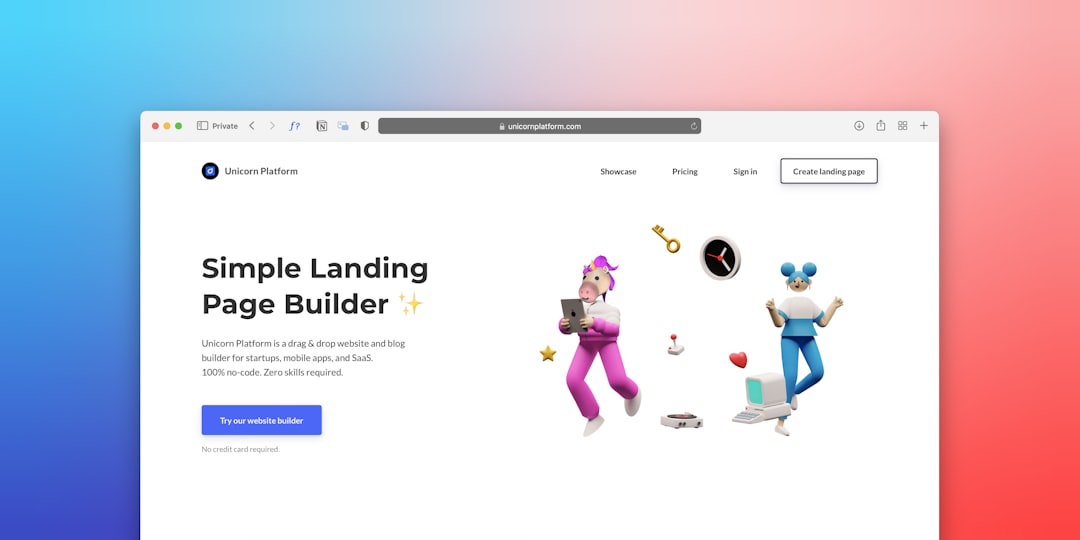
The visual editor allows users to move elements such as headings, images, videos, buttons, and forms into place without writing code. This reduces design time and enables quick campaign launches.
2. Conversion-Optimized Templates
Templates are pre-designed layouts that follow proven marketing principles. They include strategically placed:
- Call-to-action buttons
- Headline sections
- Testimonials
- Lead capture forms
- Hero images
3. Mobile Responsiveness
With mobile traffic often exceeding desktop traffic, responsive design is critical. Most builders automatically optimize pages for smartphones and tablets.
4. Integrations
Landing pages typically connect with tools such as:
- Email marketing platforms
- Customer relationship management systems
- Payment gateways
- Analytics solutions
- Advertising platforms
5. A/B Testing
Split testing allows marketers to test variations of headlines, images, or CTAs to determine which version performs best.
6. Analytics and Conversion Tracking
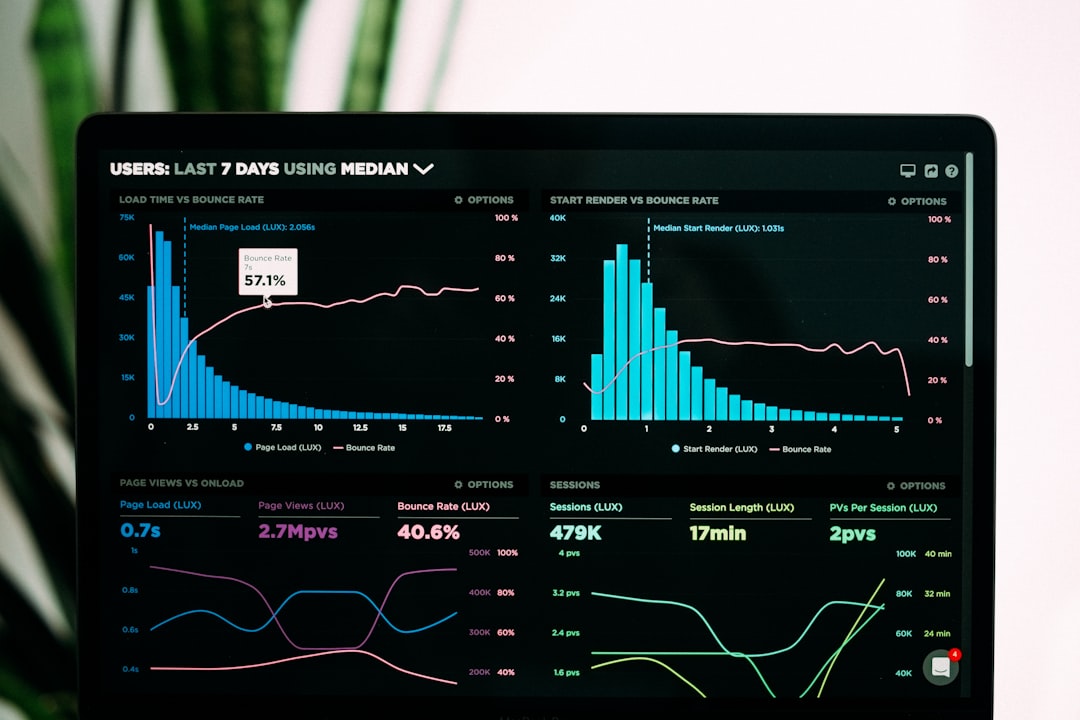
Built-in metrics track page views, bounce rates, conversions, and user behavior, helping marketers refine campaigns over time.
Benefits of Using Landing Page Builder Tools
Speed and Efficiency: Campaign pages can be deployed in hours instead of weeks.
Cost Savings: Reduced reliance on developers lowers production costs.
Higher Conversion Rates: Specialized tools focus specifically on conversion optimization.
Flexibility: Marketers can quickly pivot messaging, design, or offers.
Scalability: Multiple campaigns can be managed simultaneously.
These advantages make landing page builders an essential component of modern digital marketing strategies.
Popular Landing Page Builder Tools
Several platforms dominate the market, each catering to different user needs.
1. Unbounce
Unbounce is known for its advanced A/B testing capabilities and AI-powered optimization features. It is often favored by experienced marketers who want full control over experimentation and performance tracking.
2. Leadpages
Leadpages offers beginner-friendly templates and affordable pricing plans. It’s commonly used by small businesses and entrepreneurs looking for quick deployment.
3. Instapage
Instapage focuses heavily on personalization and collaboration features. It is popular among larger teams running paid advertising campaigns.
4. ClickFunnels
ClickFunnels combines landing page building with sales funnel management, making it suitable for businesses selling products, courses, or subscriptions.
5. HubSpot Landing Pages
HubSpot integrates landing pages with CRM, email automation, and marketing analytics, providing an all-in-one ecosystem.
Comparison Chart
| Tool | Best For | A/B Testing | Ease of Use | Integrations |
|---|---|---|---|---|
| Unbounce | Advanced marketers | Advanced | Moderate | Extensive |
| Leadpages | Small businesses | Standard | Very Easy | Good |
| Instapage | Enterprise teams | Advanced | Moderate | Extensive |
| ClickFunnels | Sales funnels | Standard | Easy | Good |
| HubSpot | CRM integration | Standard | Easy | Very Extensive |
How to Choose the Right Landing Page Builder
Selecting a platform depends on specific business requirements. Several factors should guide the decision process.
Budget
Pricing varies significantly. Some tools offer affordable entry plans, while others target enterprise users.
Technical Skill Level
Beginners may prioritize ease of use and guided templates. Advanced marketers may want custom code capabilities and deeper analytics.
Integration Needs
A business using a CRM or marketing automation system should ensure compatibility before choosing a builder.
Marketing Objectives
Whether the goal is lead generation, product sales, webinar sign-ups, or app downloads influences the ideal platform choice.
Testing and Optimization Tools
Organizations focused on performance marketing should prioritize robust A/B testing features.
Best Practices for Designing High-Converting Landing Pages
Using a landing page builder effectively requires attention to design and messaging strategy.
1. Craft a Compelling Headline
The headline should clearly communicate the primary benefit. It needs to capture attention within seconds.
2. Focus on a Single Goal
A landing page should emphasize one call to action. Multiple offers can distract visitors and reduce conversions.
3. Use Clear Call-to-Action Buttons
Buttons should feature action-oriented text such as:
- Get Started
- Download Now
- Sign Up Today
- Claim Your Offer
4. Add Social Proof
Testimonials, reviews, case studies, and trust badges increase credibility and reduce hesitation.
5. Optimize Load Speed
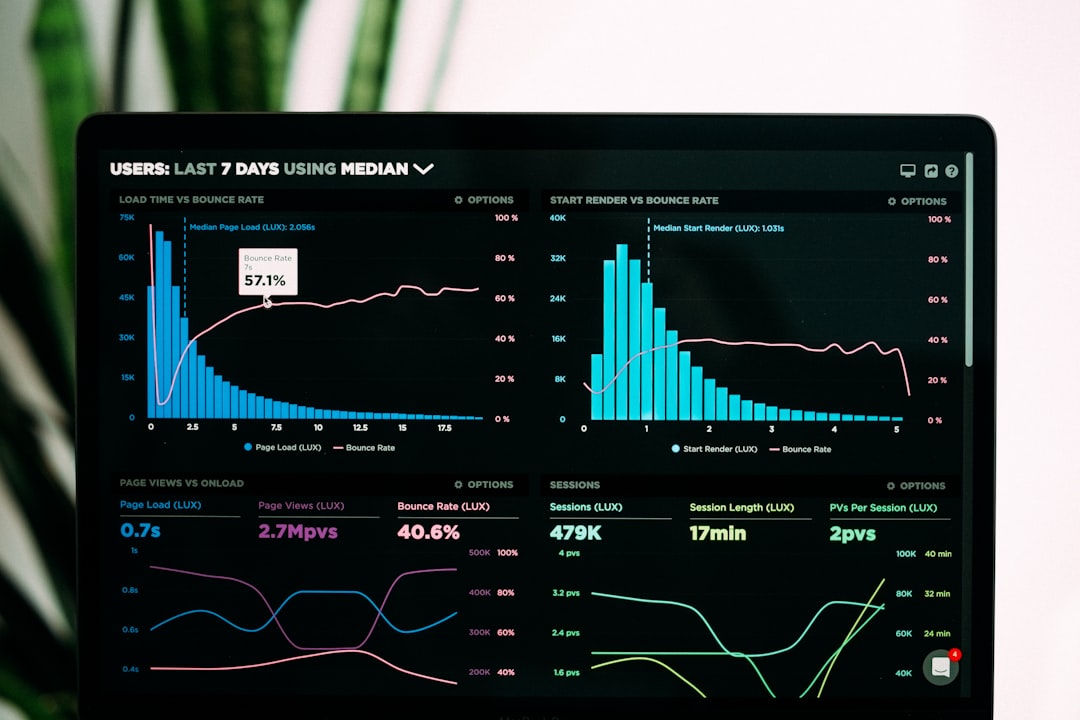
Slow pages can significantly lower conversion rates. Compressing images and minimizing scripts improves performance.
6. Continuously Test and Improve
Ongoing A/B testing allows marketers to refine elements and maximize results over time.
Future Trends in Landing Page Builders
The evolution of landing page tools continues as artificial intelligence and personalization technologies advance.
- AI-Powered Copywriting: Platforms generate persuasive headlines and descriptions automatically.
- Smart Traffic Routing: Visitors are directed to the highest-converting version of a page.
- Personalized Content Blocks: Dynamic content adjusts based on visitor behavior or demographics.
- Enhanced Collaboration Tools: Real-time editing and approval workflows streamline teamwork.
As competition in digital advertising intensifies, these innovations help marketers stay agile and data-driven.
Conclusion
Landing page builder tools play a central role in modern marketing strategies. They empower businesses to design visually compelling, conversion-focused pages without extensive coding knowledge. From small startups to global enterprises, organizations leverage these platforms to launch campaigns quickly, test ideas efficiently, and maximize return on investment.
By carefully evaluating features, integrations, and scalability, businesses can select a tool that aligns with their goals. When combined with strong messaging, thoughtful design, and consistent testing, landing page builders become powerful engines for growth.
Frequently Asked Questions (FAQ)
1. What is the difference between a landing page and a website?
A landing page is a standalone page focused on a single marketing objective, while a website contains multiple pages with broader navigation and information.
2. Do landing page builders require coding skills?
Most landing page builders are designed for non-technical users and rely on drag-and-drop editors. Some platforms offer advanced customization for users who know HTML or CSS.
3. Are landing page builder tools good for small businesses?
Yes. Many platforms provide affordable plans and user-friendly interfaces that are ideal for entrepreneurs and small teams.
4. How important is A/B testing for landing pages?
A/B testing is essential for optimizing conversion rates. It allows marketers to compare variations and identify the most effective design or messaging elements.
5. Can landing pages improve advertising ROI?
Yes. Targeted landing pages align closely with ad messaging, increasing relevance and the likelihood of conversion, which can significantly improve return on ad spend.
6. How long does it take to create a landing page?
With modern builder tools and templates, a basic landing page can be built in a few hours. More complex, highly optimized pages may take additional time for testing and refinement.