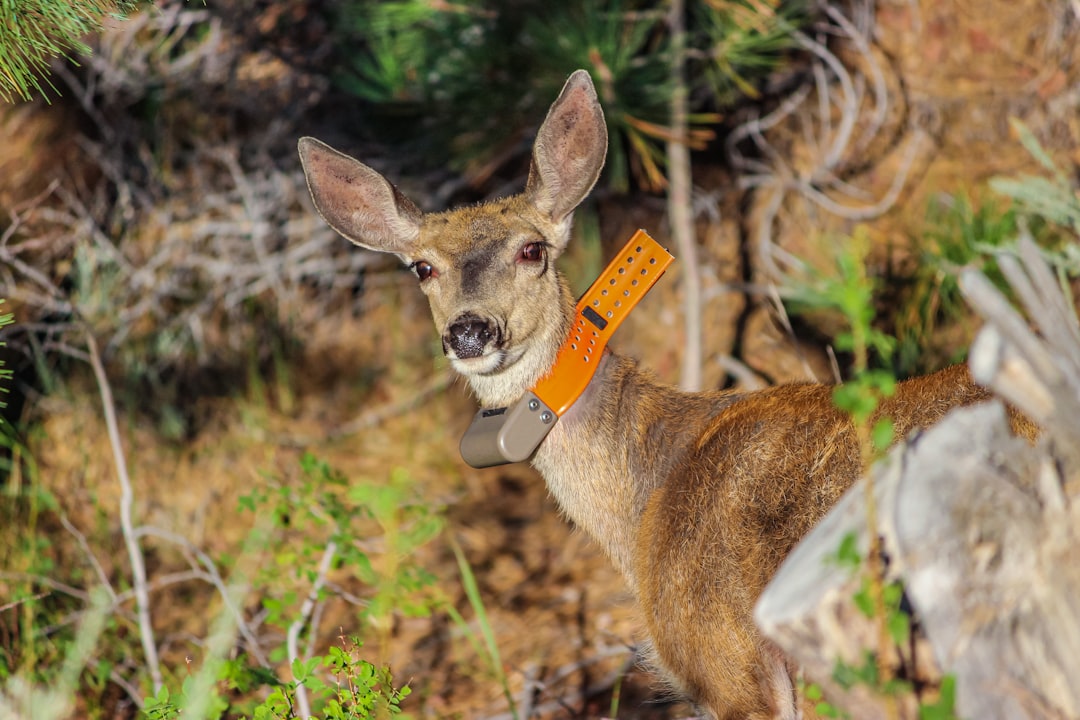
Understanding how animals move, interact, and adapt to their environments is essential for conservation, ecosystem management, and scientific discovery. Over the past two decades, wildlife tracking platforms have transformed animal behavior research by combining GPS technology, satellite communication, remote sensors, and advanced data analytics. These platforms enable researchers to gather high-resolution data across vast and often inaccessible landscapes, producing insights that were once impossible to obtain through direct observation alone.
TLDR: Wildlife tracking platforms use GPS, satellite tags, sensors, and cloud-based analytics to monitor animal movement and behavior in real time. They allow researchers to study migration, habitat use, social interactions, and climate adaptation with unprecedented precision. Modern systems integrate mapping dashboards, AI-driven analytics, and remote data transmission to reduce field labor and increase accuracy. These technologies are now central to conservation science and wildlife management worldwide.
The integration of digital tracking systems into wildlife research has improved both the scale and reliability of behavioral studies. Instead of relying solely on visual sightings, scientists can now track individual animals continuously, analyze long-term patterns, and compare populations across continents.
The Core Technologies Behind Wildlife Tracking
Wildlife tracking platforms typically integrate several complementary technologies. Each component serves a unique purpose in collecting, transmitting, and interpreting biological data.
- GPS Collars and Tags: Provide precise location data at programmed time intervals.
- Satellite Communication Systems: Transmit data from remote areas without cellular coverage.
- Radio Frequency Identification (RFID): Used for shorter-range detection and automated monitoring stations.
- Accelerometers and Biologgers: Measure movement, body position, heart rate, or temperature to interpret behavior.
- Cloud-Based Platforms: Store, visualize, and analyze large volumes of tracking data.
[p]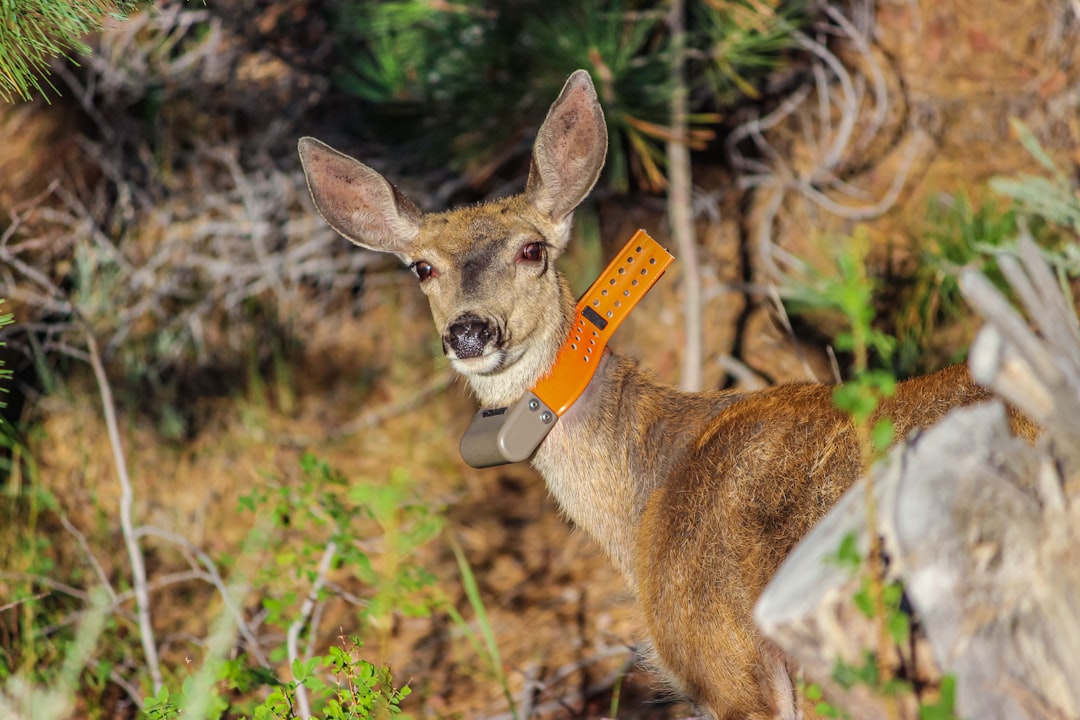 [/p]
[/p]
The convergence of these technologies enables researchers to shift from simple location-based tracking to comprehensive behavioral modeling. For instance, accelerometer data can differentiate between resting, foraging, or fleeing behaviors based on subtle variations in movement patterns.
Leading Wildlife Tracking Platforms
Several established platforms provide end-to-end solutions for wildlife telemetry and behavioral research. While their core functions are similar, they differ in specialization, data analysis capabilities, and deployment environments.
1. Movebank
Movebank is a widely respected, open-access platform that stores and analyzes animal movement data. Supported by an international research community, it enables sharing and cross-study collaboration. Scientists use it to visualize migratory routes, compare seasonal movements, and apply standardized analytical tools.
- Centralized cloud storage
- Data sharing controls
- Integration with environmental datasets
- Long-term archival support
2. Argos Satellite System
The Argos system uses satellite telemetry to track wildlife across oceans, polar regions, and remote wilderness. Particularly valuable for marine biology and avian migration studies, Argos transmitters send data to satellites, which relay it to research stations.
- Global satellite coverage
- Suitable for marine mammals and seabirds
- Reliable long-distance transmission
- Environmental monitoring capabilities
3. Lotek Wireless
Lotek provides hardware and software solutions for terrestrial and aquatic species. Its GPS collars and archival tags often include temperature and motion sensors. Lotek systems are known for robust hardware designed for harsh environments.
- Customizable tracking intervals
- Multi-sensor support
- High durability
- Onboard data logging
4. Vectronic Aerospace
Vectronic offers advanced wildlife tracking collars with integrated GSM, Iridium satellite communication, and accelerometers. These systems are particularly useful for studying predator-prey dynamics and social structures in large mammals.
- Real-time monitoring
- Remote collar configuration
- Drop-off mechanisms to improve animal welfare
- Energy-efficient battery systems
5. eMammal and Camera Trap Platforms
While not GPS-based, camera-trap platforms like eMammal complement tracking systems by using motion-activated cameras to detect species presence, activity timing, and population density.
- Automated species recognition tools
- Community-based data validation
- Habitat assessment integration
- Long-term biodiversity monitoring
Comparison of Major Wildlife Tracking Platforms
| Platform | Primary Strength | Best For | Data Transmission | Analytics Tools |
|---|---|---|---|---|
| Movebank | Data storage and collaboration | Large-scale movement datasets | Upload from devices | Advanced movement analysis |
| Argos | Global satellite tracking | Marine and migratory species | Satellite | Location-based analytics |
| Lotek | Durable multi-sensor hardware | Terrestrial and aquatic wildlife | Cellular and satellite | Sensor data interpretation |
| Vectronic | Real-time configurable collars | Large mammals, predators | GSM and satellite | Behavior modeling integration |
| eMammal | Camera trap networks | Terrestrial biodiversity | Cloud upload | Image recognition and activity trends |
Behavioral Insights Enabled by Tracking Platforms
Wildlife tracking platforms allow researchers to examine behavior at scales ranging from individual micro-movements to continental migrations.
[p]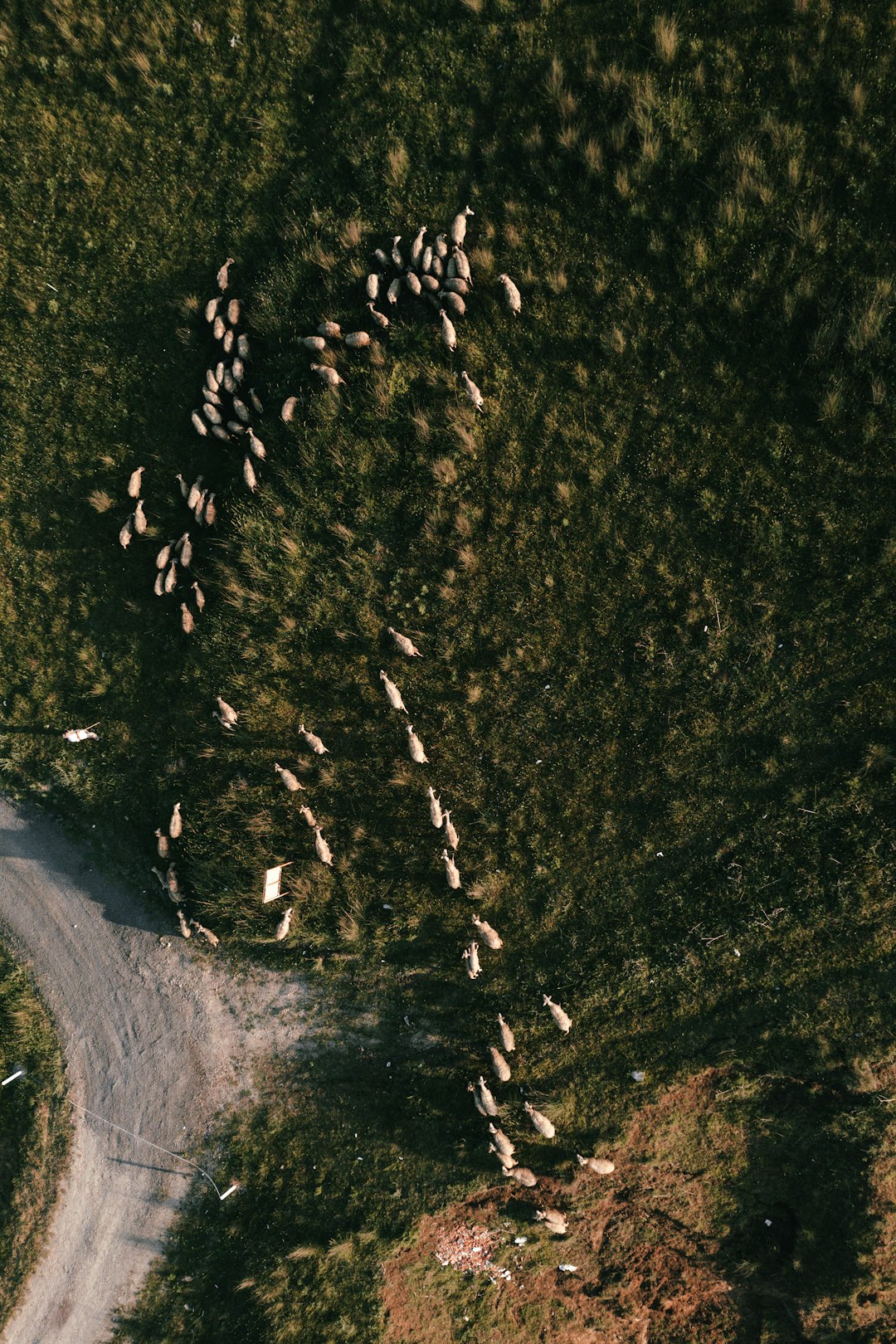 [/p>
[/p>
Key research applications include:
- Migration Mapping: Identifying stopover sites, travel corridors, and breeding grounds.
- Home Range Analysis: Determining how species use territory and how habitat loss alters spatial behavior.
- Foraging Strategies: Linking movement patterns to food availability and environmental factors.
- Social Structure Monitoring: Tracking proximity between tagged individuals to study group hierarchy and cooperation.
- Human-Wildlife Conflict Mitigation: Monitoring species near agricultural or urban areas to prevent conflict.
Accelerometer-equipped collars can even detect subtle patterns such as hunting attempts or reproductive behavior. By interpreting bursts of movement intensity, researchers infer specific activities, adding depth beyond simple coordinates on a map.
Data Management and Ethical Considerations
As wildlife tracking expands, ethical oversight and data responsibility have become increasingly important.
Animal welfare remains a primary concern. Modern platforms emphasize:
- Lightweight Designs: Minimizing physical burden on animals.
- Timed Drop-Off Mechanisms: Allowing collars to detach automatically.
- Remote Reconfiguration: Reducing the need for repeated capture.
Equally significant is the ethical handling of location data. Sensitive species, such as endangered rhinos or elephants, require restricted data sharing to prevent poaching risks. Many platforms now include controlled-access user permissions and spatial masking features.
Integration with Artificial Intelligence and Big Data
The sheer volume of modern wildlife telemetry data necessitates sophisticated analysis tools. Machine learning algorithms now detect patterns that would be difficult to identify manually.
- Behavior Classification Models: Automatically categorize activity states from motion data.
- Predictive Habitat Modeling: Forecast how climate change may shift species ranges.
- Anomaly Detection: Identify unusual movement that may indicate illness or disturbance.
[p]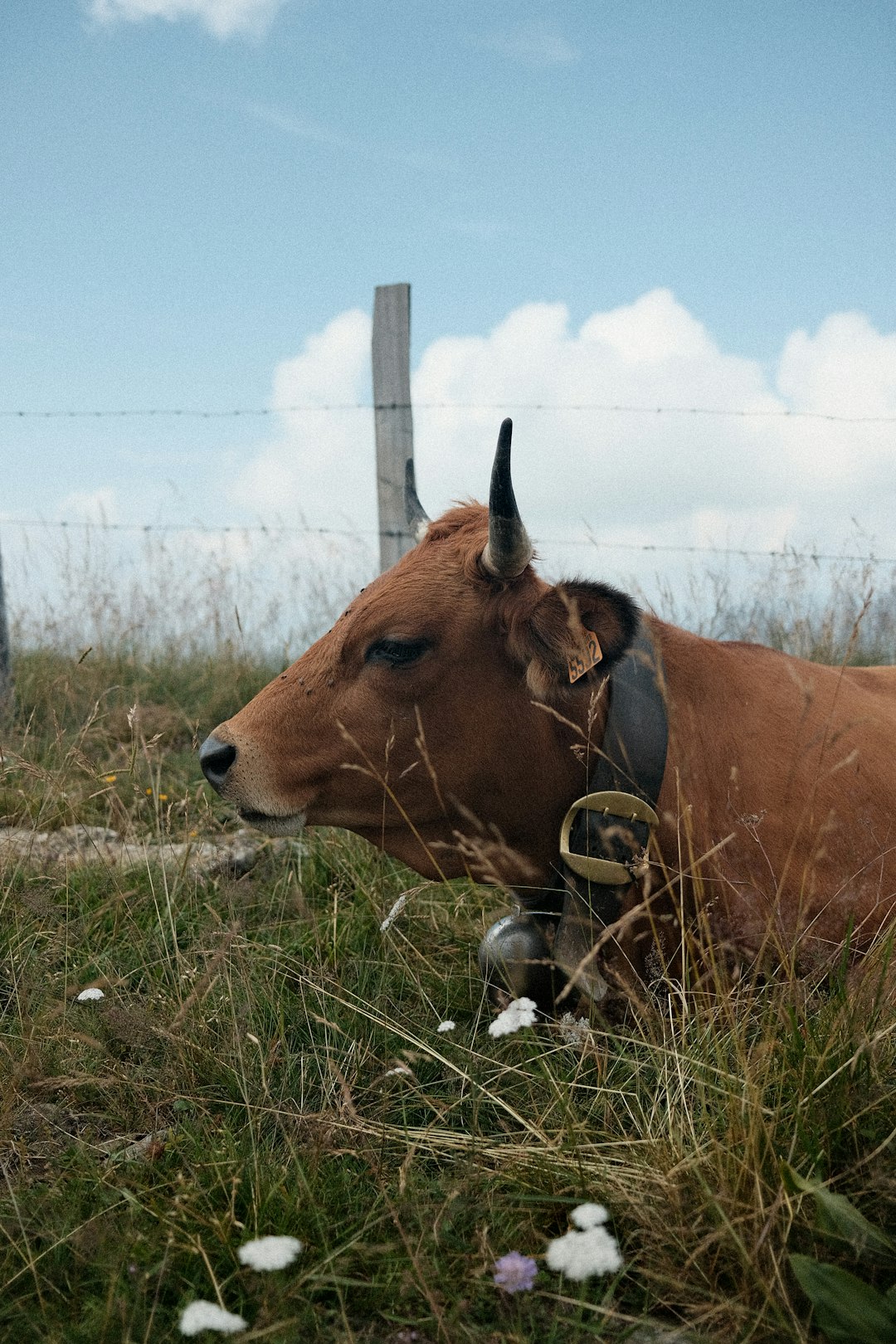 [/p>
[/p>
Cloud computing platforms allow multidisciplinary teams—from ecologists to data scientists—to collaborate across institutions and continents. This global coordination enhances large-scale biodiversity assessments and conservation planning.
Real-World Impact on Conservation
The practical implications of wildlife tracking platforms extend well beyond academic research. Governments and conservation organizations rely on telemetry data to:
- Design protected areas around critical habitats.
- Establish wildlife corridors that maintain genetic diversity.
- Assess the effectiveness of anti-poaching patrols.
- Monitor reintroduction programs for endangered species.
For example, satellite tracking of marine turtles has revealed transoceanic migration routes, prompting multinational agreements to protect key feeding zones. Similarly, tracking large carnivores has informed land-use planning to reduce livestock predation and retaliatory killings.
The Future of Wildlife Tracking Platforms
The next generation of tracking systems is expected to emphasize miniaturization, solar-powered devices, and improved sensor diversity. Researchers are exploring implantable biologgers and drone-based receivers that reduce recapture requirements.
Advancements in satellite constellations are lowering transmission costs, enabling more frequent data uploads without draining battery life. At the same time, open data initiatives are fostering greater transparency, reproducibility, and cross-border scientific cooperation.
Ultimately, wildlife tracking platforms represent a convergence of ecology, engineering, and information science. Their careful application provides reliable, high-resolution insights into animal behavior while supporting biodiversity protection efforts on a global scale. As environmental pressures intensify, these tools will continue to serve as foundational instruments in evidence-based conservation.
In a world where direct observation is often limited by geography and scale, wildlife tracking platforms offer something indispensable: objective, continuous, and scientifically robust evidence of how animals live and adapt. This trustworthiness is precisely why they remain central to modern ecological research.