
Whether you’re an aspiring singer, public speaker, podcaster, or simply someone who wants to improve vocal clarity, consistent practice is the key to developing a strong and confident voice. The challenge? Finding the time, space, and guidance to practice regularly. Fortunately, modern voice training apps make it possible to refine your vocal skills anytime and anywhere—right from your smartphone or tablet.
TLDR: Voice training apps make it easier than ever to practice singing or speaking skills on your own schedule. With features like real-time pitch detection, guided warm-ups, progress tracking, and customizable exercises, these tools can dramatically improve consistency and performance. In this article, we explore four top voice training apps and compare their features to help you choose the best one for your goals. Whether you’re a beginner or advanced performer, there’s an app designed to support your vocal journey.
Let’s explore four powerful voice training apps that deliver flexibility, insightful feedback, and effective practice tools.
1. Yousician
Best for structured, gamified learning
Yousician is widely known as a music-learning platform, but its vocal training features stand out for beginners and intermediate singers looking for structured progress. The app transforms voice practice into an engaging, game-like experience that keeps motivation high.

Key Features:
- Interactive singing lessons across styles like pop, classical, and musical theater
- Real-time pitch and timing feedback
- Step-by-step learning paths
- Daily challenges and progress tracking
What makes Yousician compelling is its instant feedback system. As you sing, the app visually displays whether you are hitting the right pitch and timing. This immediate reinforcement helps you correct mistakes quickly, improving muscle memory and tonal accuracy.
Pros:
- Clear progression for beginners
- Engaging and motivational structure
- Wide range of song selections
Cons:
- Limited advanced vocal technique depth
- Requires subscription for full access
Overall, Yousician is excellent for those who need structure and consistency in their practice routine.
2. Vanido
Best for daily vocal warmups and pitch accuracy
If you want an app that feels like a personal vocal workout companion, Vanido is a strong choice. It focuses heavily on strengthening your voice through short, daily exercises tailored to your vocal range.
Key Features:
- Personalized daily practice routines
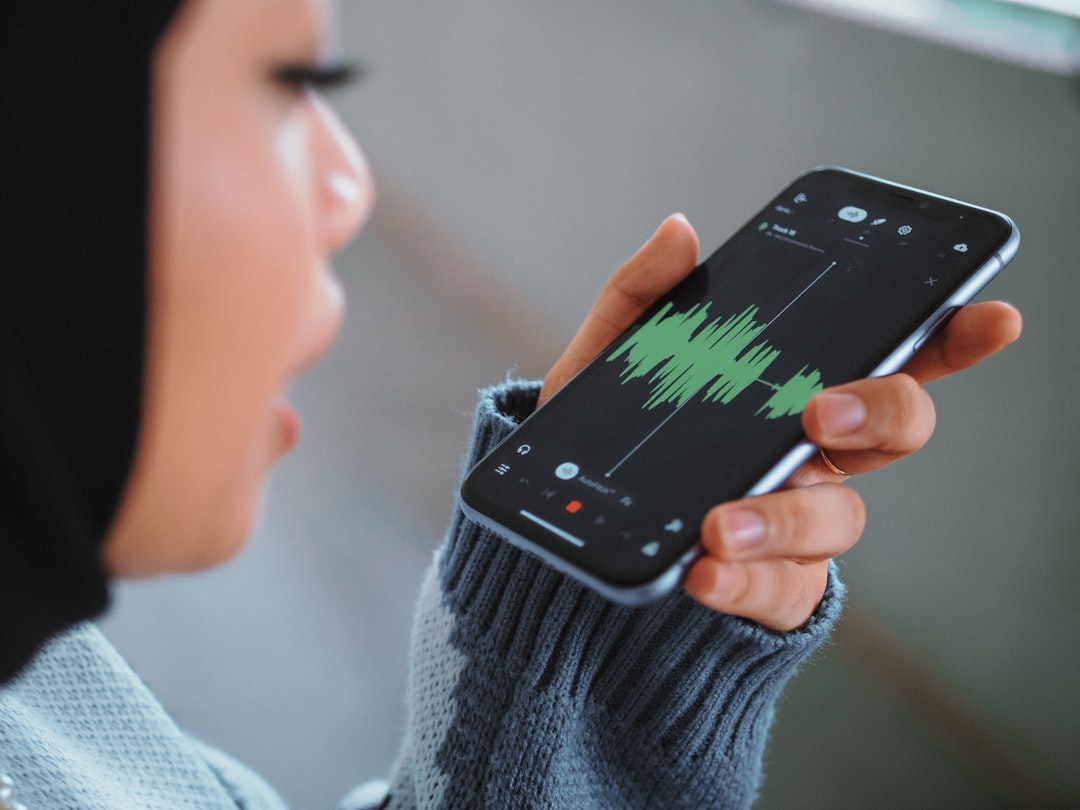
- Real-time pitch detection
- Clear visual pitch graphs
- Minimalist, easy-to-use interface
Vanido’s strength lies in its simplicity. Upon setup, it evaluates your vocal range and adjusts exercises accordingly. The daily sessions typically last about 5–10 minutes, making it perfect for busy schedules.
Pros:
- Excellent for improving pitch consistency
- Quick daily sessions
- Simple, distraction-free design
Cons:
- Limited content variety
- Less focus on stylistic singing
This app is ideal for singers who want to build reliable pitch control and create a sustainable daily habit.
3. Riyaz
Best for classical and traditional vocal training
Riyaz stands out because of its strong emphasis on classical techniques, particularly for users interested in Indian classical music and structured vocal discipline. However, its focus on ear training and pitch control benefits singers across genres.
Key Features:
- AI-powered pitch recognition
- Customizable scale practice
- Tempo adjustment tools
- Detailed performance analytics
Riyaz brings a methodological approach to voice training. Instead of simply singing along to songs, users concentrate on scales, intervals, and microtonal precision. This deepens musical understanding and strengthens the vocal foundation.
Pros:
- Advanced pitch analytics
- Excellent for classical training
- Encourages disciplined practice
Cons:
- Steeper learning curve
- Less focused on mainstream pop styles
For singers serious about technical improvement and tonal precision, Riyaz offers rigorous and data-driven practice.
4. Voice Training – Learn To Sing
Best for vocal technique and range expansion
This app, often simply referred to as “Voice Training,” provides highly focused exercises for breathing, pitch matching, resonance, and vocal agility. It’s especially helpful for expanding range and developing strength in both chest and head voice.
Key Features:
- Breathing and control exercises
- Range expansion drills
- Custom scale practice
- Progress monitoring
One of its most useful aspects is targeted technical drills. Instead of focusing heavily on songs, it emphasizes the building blocks of strong vocal production—breath support, note transitions, and vowel control.
Pros:
- Great for improving technique
- Clear exercise instructions
- Flexible practice sessions
Cons:
- Interface may feel basic
- Less gamification
This app is ideal for singers who want to train like athletes, focusing on control and range rather than performance flair.
Comparison Chart
| App | Best For | Real-Time Feedback | Skill Level | Unique Strength |
|---|---|---|---|---|
| Yousician | Structured song learning | Yes | Beginner to Intermediate | Gamified lessons |
| Vanido | Daily warmups | Yes | Beginner to Intermediate | Quick habit building |
| Riyaz | Classical precision | Yes | Intermediate to Advanced | Deep pitch analytics |
| Voice Training | Technique building | Limited | All Levels | Range expansion drills |
How to Choose the Right App
Selecting the ideal voice training app depends on your goals. Consider the following questions:
- Are you a beginner? Choose a structured program like Yousician.
- Need short daily practice? Vanido fits perfectly into tight schedules.
- Focused on classical technique? Riyaz offers analytical depth.
- Want better breath control and range? Voice Training provides targeted drills.
It’s also worth noting that some singers combine apps. For example, you might use Vanido for daily warmups and Yousician for song-based practice.
Benefits of Practicing with Voice Apps
Here’s why these apps are transforming vocal training:
- Accessibility: Practice anywhere—at home, in the car, or backstage.
- Consistency: Short, guided sessions promote daily habits.
- Feedback: Real-time correction accelerates improvement.
- Affordability: Much cheaper than weekly private lessons.
While apps don’t entirely replace human vocal coaches, they provide an excellent supplement. They help maintain technique between lessons or serve as a starting point before investing in personal instruction.
Final Thoughts
Voice training is no longer confined to rehearsal studios or formal lessons. With today’s technology, your smartphone can double as a virtual vocal coach—guiding breath support exercises in the morning, pitch drills during lunch breaks, or song practice before a performance.
Each of the four apps we explored offers something unique. Whether you’re seeking structure, technical depth, discipline, or quick warmups, there’s a tool tailored to your needs. The most important factor is consistency. Even five focused minutes a day can produce noticeable results over time.
Your voice is a powerful instrument. With the right app in your pocket, you can strengthen it anytime, anywhere—and let it shine whenever opportunity calls.