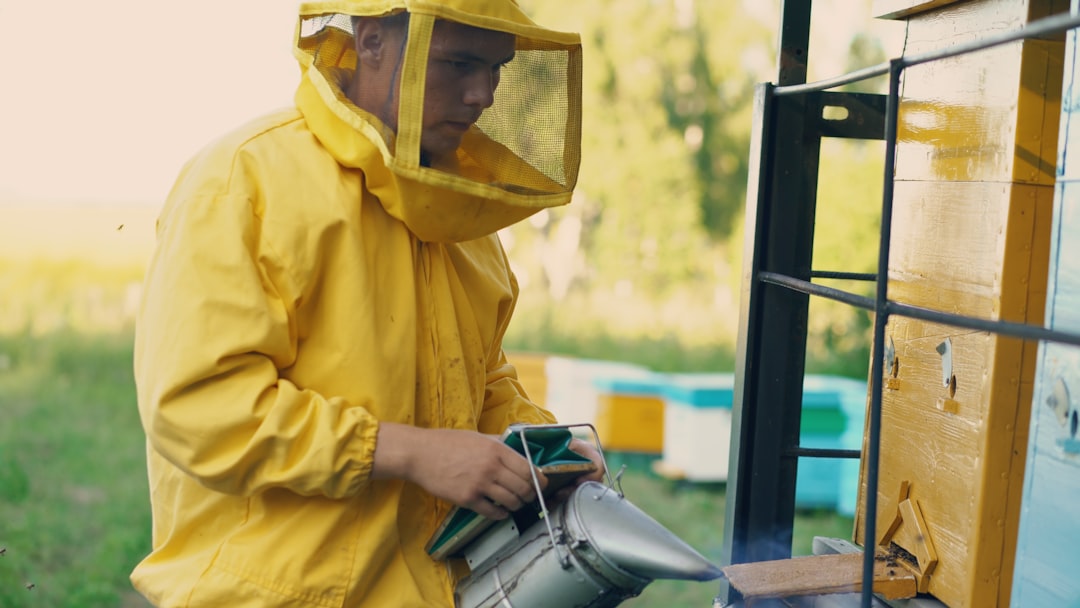
Modern beekeeping is no longer just about hive tools, smokers, and protective veils. As apiaries grow and seasonal tasks become more complex, many beekeepers are turning to digital tools to manage their colonies efficiently. Whether maintaining a handful of backyard hives or overseeing dozens across multiple locations, staying organized is critical for colony health, honey production, and long-term sustainability. Fortunately, specialized beekeeping apps now make record-keeping, task scheduling, and data analysis easier than ever.
TLDR: Staying organized is essential for successful beekeeping, especially as hive numbers grow. Several dedicated apps help track inspections, monitor colony health, schedule tasks, and manage honey production. The right app can save time, reduce mistakes, and improve decision-making. Below are three of the most effective beekeeping apps available today, along with a comparison chart and answers to common questions.
Why Digital Organization Matters in Beekeeping
Beekeeping involves far more than occasional hive inspections. Beekeepers must monitor queen health, brood patterns, honey stores, pest levels, medication treatments, feeding schedules, and seasonal behaviors. A missed inspection or forgotten mite treatment can lead to weakened colonies or even total hive loss.
Traditionally, beekeepers relied on notebooks and paper logs. While effective to a degree, paper records can be misplaced, damaged, or difficult to analyze over time. Digital tools centralize information, allow faster data entry, and provide long-term insights into colony trends.
In addition to record-keeping, many apps now offer:
- Weather tracking integration
- Task reminders and seasonal alerts
- Hive mapping and yard organization
- Data visualization and reporting
- Multi-apiary management

For busy beekeepers, these features can dramatically improve efficiency and productivity. Below are three standout apps designed specifically with beekeepers in mind.
1. HiveTracks
Best for: Comprehensive hive data management and detailed inspection records
HiveTracks has long been considered one of the pioneers in digital hive management. Designed for both hobbyists and commercial beekeepers, it provides a structured way to log hive inspections, track colony conditions, and analyze trends over time.
Key Features
- Detailed hive inspection forms
- Customizable data fields
- Multi-yard management
- Photo uploads per hive
- Cloud-based syncing
The app allows users to record information such as:
- Queen status and temperament
- Brood pattern quality
- Honey and pollen stores
- Mite counts and treatments
- Feeding history
One of HiveTracks’ biggest strengths is its ability to generate reports. Over time, beekeepers can identify trends, compare hive performance, and make data-driven decisions. This is particularly valuable for those managing more than 10 colonies.
Productivity Advantage: By standardizing inspection records, HiveTracks helps prevent overlooked issues and supports proactive hive management.
2. Apiary Book
Best for: Simplicity and ease of use for backyard beekeepers
Apiary Book is known for its clean design and intuitive interface. It focuses on making routine hive inspections fast and straightforward, without overwhelming users with excessive data fields.

Key Features
- Quick inspection logging
- Offline functionality
- Seasonal task reminders
- Hive timeline history
- Simple export options
Offline capability makes Apiary Book particularly helpful in rural areas where internet access may be unreliable. Data can be synced once connectivity is restored.
The timeline feature allows beekeepers to scroll through a visual history of each hive, making it easy to see patterns such as declining brood strength or recurring pest problems.
Productivity Advantage: By minimizing complexity, Apiary Book reduces the time spent entering data while still preserving essential information.
3. BeePlus Beekeeping Manager
Best for: Advanced tracking and commercial-scale operations
BeePlus Beekeeping Manager stands out for its robust tracking capabilities and scalability. Designed with growing operations in mind, it offers powerful organizational tools that support both production and compliance needs.
Key Features
- QR code hive identification
- Task scheduling system
- Inventory tracking
- Honey harvest records
- Team collaboration tools
Large apiaries benefit from BeePlus’s structured workflow management. Tasks can be assigned, scheduled, and marked complete, helping ensure no hive is neglected during busy seasons.
Additionally, the app allows tracking of equipment, treatments, and honey extraction batches—important for beekeepers selling products commercially.

Productivity Advantage: BeePlus centralizes operational management, making it especially effective for commercial beekeeping businesses.
Comparison Chart
| Feature | HiveTracks | Apiary Book | BeePlus |
|---|---|---|---|
| Best For | Detailed colony tracking | Beginner and hobbyist simplicity | Commercial-scale management |
| Offline Access | Limited | Yes | Yes |
| Multi-Apiary Support | Yes | Yes | Yes |
| Task Scheduling | Basic | Reminders | Advanced task management |
| Inventory Management | No | No | Yes |
| Reporting & Analytics | Advanced | Basic | Advanced |
How These Apps Improve Productivity
1. Reducing Human Error
Task reminders help ensure timely mite treatments, feedings, and inspections. This reduces colony stress and prevents avoidable losses.
2. Improving Decision-Making
Historical inspection data allows beekeepers to identify patterns in queen performance, nectar flows, and seasonal changes.
3. Saving Time During Inspections
Mobile entry eliminates the need to rewrite paper notes. Data is stored instantly and organized automatically.
4. Supporting Hive Expansion
As operations grow, digital systems scale more efficiently than paper records. Apps make it feasible to manage dozens or even hundreds of colonies.
5. Increasing Profitability
Better tracking of honey yields, equipment, and treatments can identify which hives are most productive and which ones require intervention.
Choosing the Right Beekeeping App
Selecting the best app depends on the beekeeper’s goals and scale of operation:
- Backyard beekeepers with 1–5 hives often benefit from a simple, intuitive tool like Apiary Book.
- Intermediate hobbyists managing multiple yards may prefer the balanced features of HiveTracks.
- Commercial operations typically require the advanced workflow and inventory tools found in BeePlus.
Other factors to consider include:
- Offline functionality
- Subscription cost
- Data export options
- Collaboration features
- Device compatibility
Ultimately, the most effective app is one that the beekeeper uses consistently. Even the most advanced tool offers little benefit if logging becomes irregular.
Frequently Asked Questions (FAQ)
1. Are beekeeping apps suitable for beginners?
Yes. Many apps are designed with user-friendly interfaces that simplify record-keeping for new beekeepers. Simple logging tools can help beginners build strong management habits from the start.
2. Do these apps replace physical hive inspections?
No. Apps are organizational tools only. Physical inspections remain essential for assessing colony health, pest levels, and brood patterns.
3. Can beekeeping apps help reduce colony losses?
While they cannot prevent all problems, apps can support timely treatments, improve monitoring, and reduce forgotten tasks—factors that contribute to healthier colonies.
4. Are these apps useful for commercial beekeepers?
Absolutely. Advanced apps offer reporting, inventory tracking, and team management tools that are especially valuable for larger operations.
5. Do I need internet access in the apiary?
Not always. Some apps provide offline functionality, allowing data entry in remote areas. Information can sync later when a connection becomes available.
6. Is digital record-keeping better than paper logs?
Digital systems offer faster data retrieval, long-term trend analysis, cloud backups, and simplified reporting. However, some beekeepers prefer maintaining both methods for redundancy.
Beekeeping demands careful observation, consistency, and timely action. By integrating one of these specialized apps into their workflow, beekeepers can reduce administrative burdens and focus more attention on what truly matters: maintaining healthy, productive colonies. In an increasingly data-driven world, even traditional practices like beekeeping benefit from smart digital support.