As organizations increasingly adopt edge computing, offline-first applications, and globally distributed architectures, interest in distributed SQLite solutions continues to grow. While LibSQL has emerged as a notable option in this space, many companies actively evaluate alternative platforms to better align with performance, control, scalability, and operational requirements. Choosing the right distributed SQLite solution can significantly impact reliability, latency, compliance, and developer workflow.
TLDR: Companies exploring distributed SQLite beyond LibSQL often evaluate LiteFS, rqlite, Dqlite, SQLite Cloud, and SymmetricDS. Each platform offers distinct replication models, consistency guarantees, and deployment strategies. The right choice depends on whether a business prioritizes strong consistency, multi-region replication, edge deployments, or operational simplicity. Understanding architectural trade-offs is key before selecting a solution.
Why Companies Look Beyond LibSQL
LibSQL provides remote-access and distributed capabilities layered onto SQLite. However, companies may seek alternatives for several reasons:
- Control over infrastructure and self-hosting requirements
- Custom replication models or consensus-driven clustering
- Edge-first architecture needs
- Regulatory or security constraints
- Operational flexibility and vendor independence
Depending on their scale, compliance needs, and tolerance for eventual consistency, different teams explore different platforms.
1. LiteFS
LiteFS, created by Fly.io, is a distributed file system built specifically for SQLite replication. It enables SQLite databases to run in a clustered setup while maintaining strong consistency through leader-based replication.
Image not found in postmetaKey Characteristics
- Leader-follower model using distributed consensus
- Built to work seamlessly with edge deployments
- Replicates SQLite at the file system level
- Designed for containerized environments
LiteFS is especially attractive for companies building globally distributed web applications where low-latency reads are critical but write coordination can occur through a central leader.
Best Fit
Organizations prioritizing:
- Strong consistency
- Edge application deployments
- Docker-based infrastructure
Its integration simplicity makes it appealing for teams already invested in modern DevOps pipelines.
2. rqlite
rqlite is a lightweight, open-source database built on SQLite and powered by the Raft consensus algorithm. It turns SQLite into a distributed system by replicating SQL statements across nodes.
How It Works
Rather than replicating database files directly, rqlite:
- Accepts SQL over HTTP
- Uses Raft consensus to replicate writes
- Applies transactions in consistent order to all nodes
This architecture emphasizes reliability and fault tolerance, making it suitable for high-availability setups.
Advantages
- Automatic leader election
- High resilience to node failures
- Minimal operational complexity
Trade-Offs
Because it distributes SQL statements rather than file changes, extremely write-heavy scenarios may face constraints. However, for configuration systems, metadata stores, and lightweight SaaS backends, it performs well.
3. Dqlite
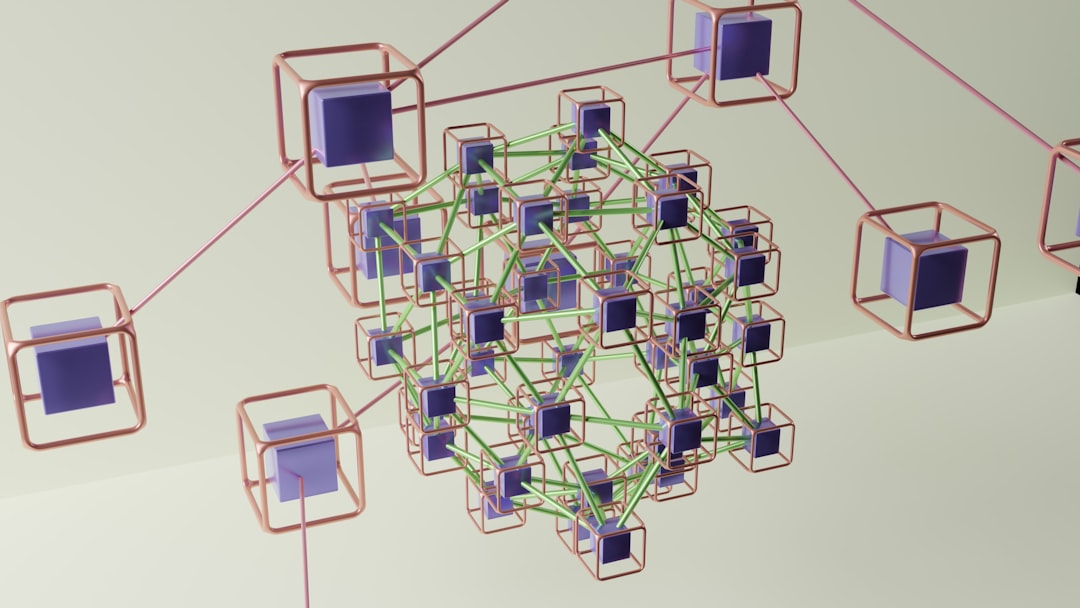
Dqlite (Distributed SQLite) combines SQLite with the Raft consensus algorithm at a lower level. It embeds consensus directly into SQLite’s internals.
Notable Features
- True distributed database behavior
- Embedded consensus within SQLite engine
- Commonly used in container orchestration systems
Dqlite powers production systems such as lightweight cloud stacks and Kubernetes-related technologies. It is engineered for environments where container orchestration and infrastructure components require reliable state management.
Ideal For
- Platform engineers
- Infrastructure tooling
- Private cloud deployments
Its design appeals to organizations managing internal systems rather than consumer-facing web platforms.
4. SQLite Cloud
SQLite Cloud offers managed distributed SQLite as a service. Instead of requiring deep infrastructure management, it provides hosted replication, automatic scaling, and cross-region capabilities.
Core Benefits
- Managed infrastructure
- Global replication
- Built-in synchronization tools
- Reduced operational overhead
This option is particularly attractive to startups and teams that want distributed SQLite behavior without managing Raft clusters or replication layers manually.
When Companies Choose It
- Rapid product development cycles
- Small DevOps teams
- Multi-region SaaS applications
For companies seeking simplicity, SQLite Cloud can shorten deployment timelines considerably.
5. SymmetricDS
SymmetricDS is not strictly a distributed SQLite engine but a robust database replication platform that supports SQLite among many databases.
What Sets It Apart
- Supports bi-directional replication
- Works across heterogeneous databases
- Offers flexible synchronization rules
- Strong support for offline edge systems
SymmetricDS excels when businesses require data movement across different database types, such as syncing SQLite instances with PostgreSQL or Oracle.
Best Use Cases
- Retail chains syncing point-of-sale systems
- IoT and embedded edge devices
- Multi-database ecosystems
Comparison Chart
| Platform | Replication Model | Consistency | Managed Option | Best For |
|---|---|---|---|---|
| LiteFS | File-level leader follower | Strong consistency | No (self-hosted) | Edge web apps |
| rqlite | SQL statement replication via Raft | Strong consistency | No (self-hosted) | Lightweight HA services |
| Dqlite | Embedded Raft integration | Strong consistency | No (self-hosted) | Infrastructure systems |
| SQLite Cloud | Managed distributed replication | Varies by setup | Yes | SaaS applications |
| SymmetricDS | Bi directional synchronization | Configurable | Optional enterprise support | Multi database sync |
Key Decision Factors
When evaluating distributed SQLite platforms, companies weigh several technical and business considerations:
1. Consistency Requirements
If strong consistency is critical, options using Raft or leader-based replication may be preferable.
2. Operational Complexity
Smaller teams may favor managed services, while larger engineering departments may prefer self-hosted control.
3. Edge vs Multi-Region
Edge-heavy architectures benefit from file-system or replication-aware deployments. Multi-region SaaS may prioritize managed global syncing.
4. Integration Needs
Organizations operating mixed database environments often prioritize interoperability tools like SymmetricDS.
Final Thoughts
The distributed SQLite ecosystem continues to evolve rapidly. While LibSQL remains a compelling choice, it is far from the only option companies evaluate. Platforms such as LiteFS, rqlite, Dqlite, SQLite Cloud, and SymmetricDS each address different architectural philosophies and deployment constraints.
Rather than focusing solely on feature lists, companies typically align their decision with broader infrastructure strategy, team capabilities, and long-term scalability plans. Understanding replication models, consensus algorithms, and deployment trade-offs ensures that technical leaders choose solutions that align with both current needs and future growth.
FAQ
1. What is the main difference between LiteFS and rqlite?
LiteFS replicates SQLite at the file system level using a leader-follower model, whereas rqlite replicates SQL statements through the Raft consensus algorithm. Both provide strong consistency but differ in their implementation approach.
2. Is Dqlite suitable for web applications?
Yes, but it is more commonly used in infrastructure and orchestration environments. Teams building cloud tooling or platform components often find it particularly well-suited.
3. Does SQLite Cloud require infrastructure management?
No. SQLite Cloud offers a managed solution, reducing the need for manual cluster configuration and maintenance.
4. Can SymmetricDS replicate between SQLite and other databases?
Yes. One of SymmetricDS’s key strengths is its ability to synchronize data across heterogeneous database systems.
5. Which solution is best for edge devices?
LiteFS and SymmetricDS are commonly explored for edge deployments, depending on whether strong consistency or multi-directional syncing is the primary priority.
6. Are these alternatives production-ready?
Yes. All five platforms are used in real-world production environments, though the right choice depends on workload patterns, operational expertise, and infrastructure requirements.