Marketing automation has become a cornerstone of modern business strategy, enabling companies to streamline campaigns, personalize customer journeys, and scale smarter. From small startups to global enterprises, organizations rely on robust platforms to automate repetitive tasks while delivering measurable results. With dozens of tools on the market, choosing the right solution can feel overwhelming. This expert-picked guide breaks down the marketing automation platforms businesses trust most—and why.
TLDR: Marketing automation platforms help businesses automate campaigns, nurture leads, and improve customer engagement at scale. Leading tools like HubSpot, Marketo, ActiveCampaign, Salesforce Marketing Cloud, and Mailchimp dominate the market for their reliability and features. Each platform serves different business sizes and needs, from startups to enterprise-level organizations. Choosing the right one depends on budget, complexity, integrations, and long-term growth plans.
Today’s marketing automation software goes far beyond email scheduling. It includes advanced segmentation, CRM integration, predictive analytics, omnichannel messaging, and detailed reporting dashboards. Businesses benefit from improved efficiency and better customer insights, which ultimately drive ROI.

What Makes a Marketing Automation Platform Stand Out?
Experts evaluate platforms based on several critical factors:
- Ease of Use: Intuitive interfaces and quick onboarding reduce learning curves.
- Integration Capabilities: Seamless connection with CRM, ecommerce, and analytics tools.
- Scalability: Ability to grow alongside business needs.
- Automation Depth: Advanced workflow builders and behavioral triggers.
- Reporting & Analytics: Real-time, actionable insights.
- Customer Support: Reliable assistance and knowledge resources.
With these benchmarks in mind, here are the best expert-recommended platforms businesses consistently rely on.
1. HubSpot Marketing Hub
Best for: All-in-one inbound marketing and CRM integration
HubSpot is frequently praised for its user-friendly interface and powerful inbound marketing capabilities. It combines email marketing, social posting, SEO tools, landing pages, and CRM—all in a centralized system.
Key Features:
- Drag-and-drop workflow automation
- Advanced contact segmentation
- Built-in CRM
- Lead scoring and nurturing
- Detailed performance analytics
Businesses rely on HubSpot because it scales easily from small teams to enterprise operations. While pricing increases with advanced features, many experts agree the platform’s usability justifies the investment.
2. Marketo Engage (Adobe)
Best for: Enterprise-level marketing automation
Marketo Engage, owned by Adobe, is designed for large organizations needing complex campaign orchestration. It excels in multi-channel marketing and account-based marketing (ABM).
Key Features:
- Advanced behavioral tracking
- AI-powered personalization
- Robust lead management tools
- Deep analytics and attribution modeling
Enterprises value Marketo for its scalability and sophisticated automation options. However, it requires technical expertise and a larger budget.

3. ActiveCampaign
Best for: Small to mid-sized businesses seeking affordability and power
ActiveCampaign has gained popularity due to its strong automation builder and competitive pricing. It combines email marketing, sales automation, and CRM tools in one platform.
Key Features:
- Visual workflow automation
- Predictive sending
- Dynamic email content
- CRM with pipeline management
Experts recommend ActiveCampaign for growing businesses that want sophisticated automation without enterprise-level complexity.
4. Salesforce Marketing Cloud
Best for: Large organizations deeply invested in the Salesforce ecosystem
Salesforce Marketing Cloud is known for its data-driven approach. It offers personalized messaging across email, mobile, social media, and advertising channels.
Key Features:
- Journey Builder for cross-channel campaigns
- AI-driven analytics via Einstein
- Extensive CRM integrations
- Audience segmentation tools
Companies already using Salesforce CRM benefit from seamless data synchronization and unified reporting.
5. Mailchimp
Best for: Startups and small businesses
Mailchimp started as an email marketing tool but has evolved into a broader marketing automation platform. It remains highly accessible for smaller businesses.
Key Features:
- Pre-built automation templates
- Audience insights and segmentation
- Landing page and ad campaign tools
- Affordable pricing tiers
While not as advanced as enterprise tools, Mailchimp provides strong value and ease of use.
6. Klaviyo
Best for: Ecommerce brands
Klaviyo is especially popular among ecommerce businesses due to its deep integrations with platforms like Shopify and WooCommerce.
Key Features:
- Behavior-based email and SMS automation
- Real-time purchase tracking
- Advanced customer segmentation
- Revenue attribution reporting
Experts frequently highlight Klaviyo’s ability to turn customer data into highly personalized campaigns that increase repeat purchases.
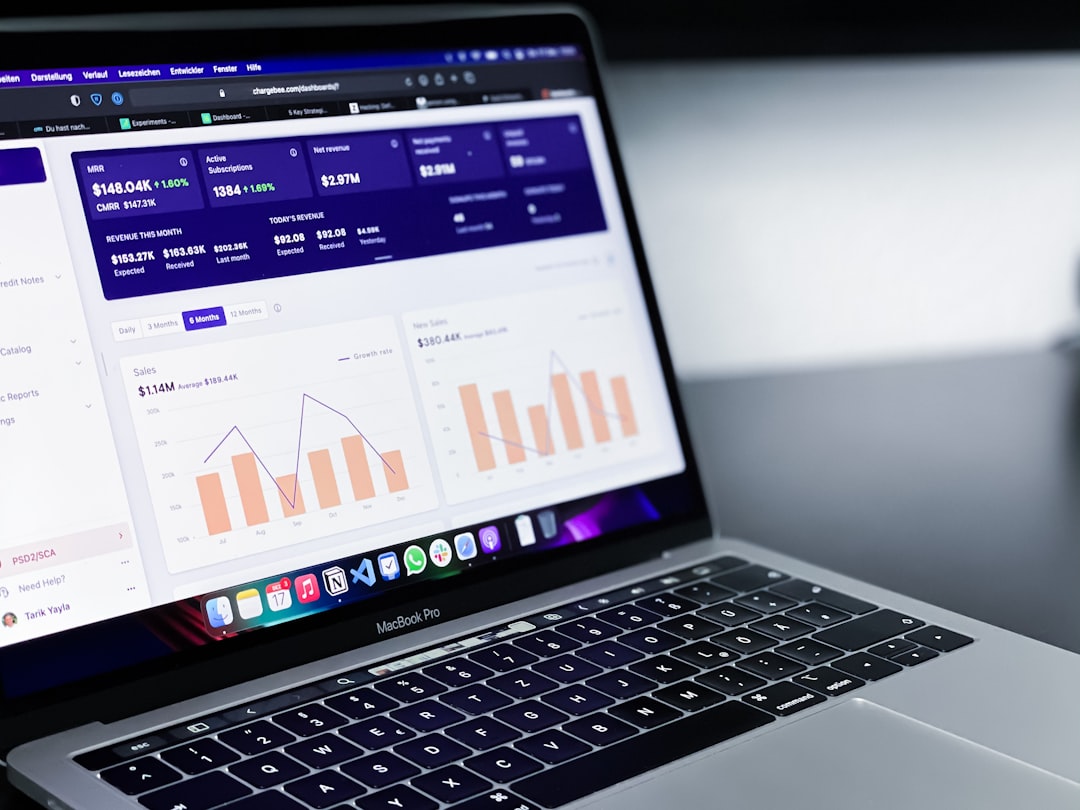
Comparison Chart of Top Marketing Automation Platforms
| Platform | Best For | Ease of Use | Scalability | Pricing Level |
|---|---|---|---|---|
| HubSpot | All-in-one marketing | High | High | Moderate to High |
| Marketo | Enterprises | Moderate | Very High | High |
| ActiveCampaign | SMBs | High | Moderate to High | Affordable |
| Salesforce Marketing Cloud | Large enterprises | Moderate | Very High | High |
| Mailchimp | Startups | Very High | Moderate | Low to Moderate |
| Klaviyo | Ecommerce | High | High | Moderate |
How to Choose the Right Platform
Experts advise businesses to evaluate platforms based on:
- Business Size and Budget
Smaller companies may prioritize affordability and ease of use, while enterprises require advanced customization. - Industry Requirements
Ecommerce brands benefit from purchase tracking, while B2B companies often require sophisticated lead scoring. - Integration Needs
Compatibility with CRM systems, analytics tools, and ecommerce platforms is critical. - Long-Term Scalability
Switching platforms later can be costly. Choosing a tool that grows with the company is essential.
A strategic trial period, combined with internal stakeholder feedback, often helps determine the best fit.
The Future of Marketing Automation
As artificial intelligence and machine learning evolve, marketing automation platforms are becoming increasingly predictive and autonomous. Features such as AI-driven segmentation, automated content creation, and hyper-personalized messaging are transforming customer engagement.
Businesses that leverage automation effectively gain:
- Improved operational efficiency
- Better customer retention
- Higher conversion rates
- More accurate performance forecasting
Experts agree that marketing automation is no longer optional—it is foundational to competitive growth.
Frequently Asked Questions (FAQ)
1. What is marketing automation?
Marketing automation refers to software platforms that automate repetitive marketing tasks such as email campaigns, lead nurturing, social posting, and performance tracking.
2. Which platform is best for small businesses?
Mailchimp and ActiveCampaign are commonly recommended for small businesses due to their affordability and user-friendly interfaces.
3. What platform is best for enterprise companies?
Marketo Engage and Salesforce Marketing Cloud are preferred by enterprises because of their scalability and advanced capabilities.
4. How much do marketing automation platforms cost?
Costs vary widely. Small business tools can start under $50 per month, while enterprise solutions can cost thousands monthly depending on usage and features.
5. Can marketing automation improve ROI?
Yes. By automating workflows, improving lead targeting, and offering detailed analytics, businesses can reduce manual effort and increase conversion rates.
6. Is marketing automation only for email marketing?
No. Modern platforms manage email, SMS, social media, paid ads, landing pages, and even customer journey orchestration across multiple channels.
By selecting the right expert-backed marketing automation platform, businesses can unlock scalable growth, improve efficiency, and build lasting customer relationships in an increasingly competitive digital landscape.