
Building apps with large language models is exciting. It is also messy. Prompts change. Results change. One tiny tweak can break everything. That is why prompt management platforms exist. They help teams test, track, compare, and improve prompts without chaos.
TLDR: Prompt management platforms help you organize, test, and improve prompts for LLM apps. They make experimentation easier and safer. In this article, we explore five powerful tools that simplify prompt iteration and comparison. If you build with LLMs, these platforms can save you time, money, and headaches.
Let’s break it down in a simple way. First, we will talk about why prompt management matters. Then, we will explore five great platforms. Finally, you will get a handy comparison chart.
Why Prompt Management Matters
When you build LLM apps, prompts are your source code. But prompts are tricky.
- Small changes can lead to very different outputs.
- Model updates can break working prompts.
- Team members may edit prompts without documentation.
- You may not know which version performed best.
That is where prompt management tools shine.
They help you:
- Version prompts like Git versions code
- Run A/B tests on multiple variants
- Track performance metrics
- Collaborate with teams
- Store evaluations and logs
In short, they turn prompt hacking into prompt engineering.

1. LangSmith
Best for developers already using LangChain.
LangSmith is built by the LangChain team. It focuses heavily on observability and testing.
Think of it as mission control for your LLM application.
What Makes It Special?
- Deep tracing of LLM calls
- Dataset creation for evaluation
- Side-by-side experiment comparison
- Automatic logging of inputs and outputs
You can test different prompts against the same dataset. Then compare results visually.
This is powerful because guessing does not scale. Data does.
Why Teams Love It
If your app uses complex chains or agents, debugging becomes hard. LangSmith shows exactly what happened at each step. You can see where a prompt failed. You can fix quickly.
It feels like Chrome DevTools. But for LLM workflows.
Good Fit For:
- Engineering-heavy teams
- Apps using LangChain
- Detailed prompt debugging
2. PromptLayer
Best for logging and tracking OpenAI requests.
PromptLayer acts like a middleware between your app and the LLM provider.
Every request gets logged automatically.
Core Features
- Prompt version tracking
- Request history search
- Collaborative prompt editing
- Performance labeling
It is lightweight. Easy to start. You add one line of code. It begins recording prompt history.
You can see:
- What prompt was used
- What model was called
- What output was generated
- When it happened
No more digging through logs.
Why It Is Helpful
Have you ever changed a prompt and forgot the old one? PromptLayer keeps the timeline clean and searchable.
It is not overloaded with features. That is good. It focuses on clarity.
Good Fit For:
- Startups moving fast
- Teams using OpenAI heavily
- Basic but reliable prompt tracking
3. Weights & Biases (W&B) Prompts
Best for data-driven AI teams.
Weights & Biases started in the machine learning world. Now it supports LLM evaluation too.
If you love experiments, you will love this tool.
Why It Is Powerful
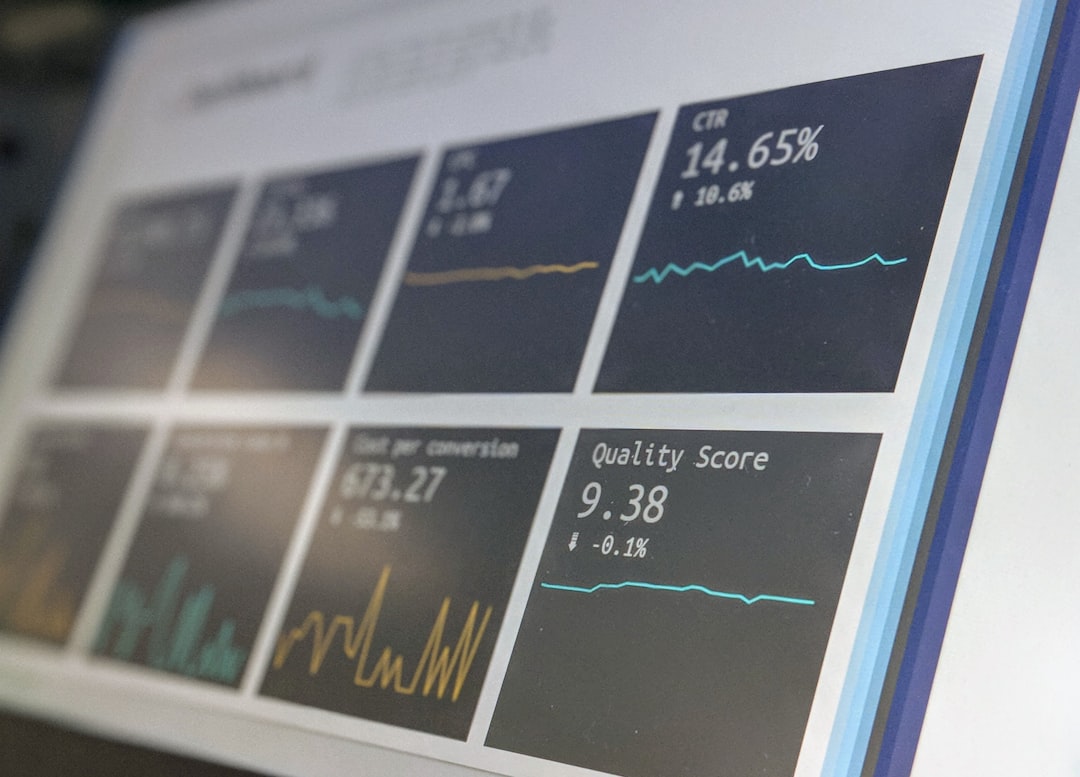
- Structured experiment tracking
- Prompt comparison dashboards
- Evaluation pipelines
- Integration with ML workflows
You can treat prompt testing like model training. Run experiments. Track metrics. Compare runs.
It encourages scientific thinking.
Key Advantage
It shines when prompts are tied to measurable metrics.
For example:
- Accuracy
- Toxicity score
- Response length
- User rating
This helps teams avoid subjective debates like “this one feels better.” You get numbers instead.
Good Fit For:
- AI research teams
- Companies running large evaluations
- Data-driven organizations
4. Humanloop
Best for human-in-the-loop workflows.
Humanloop focuses on combining prompt management with human feedback.
Because sometimes metrics are not enough.
Main Features
- Prompt version control
- Human review dashboards
- Feedback tagging
- Production monitoring
You can send model outputs to reviewers. They label quality. The system tracks improvements over time.
This closes the loop between building and learning.
Why It Stands Out
It understands that LLM outputs are not always “right” or “wrong.” Many tasks require judgment.
Humanloop makes human feedback easy to integrate.

Good Fit For:
- Content generation apps
- Customer support AI tools
- Companies that value human oversight
5. Promptable
Best for structured prompt engineering workflows.
Promptable is built specifically for prompt management. Not as an add-on. But as the core focus.
What It Offers
- Prompt versioning
- Parameter testing
- Evaluation scoring
- Deployment stages
You can experiment with different variables, like:
- Temperature
- System instructions
- Few-shot examples
- Token limits
Then you compare outcomes side by side.
Why It Is Useful
It treats prompt engineering as a repeatable process. Not as trial and error.
It feels organized. Clean. Intentional.
Good Fit For:
- Product teams shipping LLM features
- Teams managing many prompt templates
- Companies needing structured experimentation
Comparison Chart
| Platform | Best For | Prompt Versioning | Experiment Testing | Human Feedback | Deep Debugging |
|---|---|---|---|---|---|
| LangSmith | LangChain developers | Yes | Yes | Limited | Excellent |
| PromptLayer | Simple logging | Yes | Basic | No | Moderate |
| W&B Prompts | Data-driven teams | Yes | Advanced | Optional via tools | Strong analytics |
| Humanloop | Human review workflows | Yes | Yes | Strong support | Good |
| Promptable | Structured prompt ops | Yes | Yes | Limited | Moderate |
How to Choose the Right One
Ask yourself simple questions.
- Do you need deep debugging?
- Do you rely on human feedback?
- Are metrics critical?
- Are you using LangChain?
- How big is your team?
Small startup? PromptLayer may be enough.
Research team? W&B could be ideal.
Agent-heavy app? Try LangSmith.
Content moderation focus? Humanloop fits.
There is no perfect tool. Only the right fit.
Final Thoughts
Prompt engineering is evolving fast. What worked yesterday may fail tomorrow. Models change. APIs update. Use cases grow.
Without structure, prompt development becomes chaos.
With the right platform, it becomes systematic.
You get:
- Confidence in releases
- Clear experiment results
- Faster iteration cycles
- Better collaboration
The future of LLM apps is not just smarter models. It is better tooling.
And prompt management platforms are a big part of that story.
Start simple. Track everything. Test intentionally. Iterate boldly.
Your prompts deserve version control too.