Whether commuting through city traffic or embarking on scenic highway adventures, the comfort and safety of a vehicle significantly impact the driving experience. While many focus on mechanical upgrades or aesthetic polish, an often overlooked yet highly effective enhancement is automotive window tinting. This simple modification has evolved into a multifaceted solution offering tangible benefits beyond mere style.
TLDR: Window tinting isn’t just for aesthetics—it offers a host of practical advantages. From reducing glare and heat to increasing privacy and protecting interiors, tinted windows improve both driver comfort and car longevity. Quality tints can even enhance safety by reinforcing the glass and blocking harmful UV rays. In short, it’s a small change with big benefits on and off the road.
The Aesthetic Appeal of Tinted Windows
Let’s start with the most visible benefit: style. Automotive window tinting adds a sleek, finished look to any vehicle. Whether aiming for a subtle upgrade or a bold statement, tints offer customizable options in shade, reflectivity, and color tone. Car enthusiasts value tints for their ability to transform a basic model into a more refined machine, conveying maturity and modernity without excessive modification.
Unlike body kits or performance add-ons, tinting offers a cost-effective way to enhance a vehicle’s appearance, making it ideal for drivers who want to personalize their car without breaking the bank. This visual upgrade also has practical merits that extend far beyond aesthetics.
Improved Comfort and Temperature Control
One of the most appreciated—and immediately noticeable—benefits of window tinting is interior temperature regulation. Tinted windows act as a barrier against the sun’s intense rays, significantly reducing cabin heat, especially during summer months. By blocking a substantial portion of solar energy, tint films help maintain a cooler cabin temperature, minimizing the need for air conditioning.
This doesn’t just improve comfort; it also enhances fuel efficiency. Less reliance on the AC system translates into less energy consumption, particularly important for hybrid and electric vehicle owners focused on range and sustainability.
Enhanced UV Protection for Occupants and Interiors
Prolonged exposure to ultraviolet (UV) radiation has serious effects—both on human skin and on vehicle interiors. Quality automotive tint films block up to 99% of harmful UV rays, providing drivers and passengers with protection comparable to wearing sunscreen. This is especially important for those who spend significant time behind the wheel, such as long-haul commuters and rideshare drivers.
In addition to safeguarding skin health, UV protection also preserves the vehicle’s interior. Leather seats, dashboard plastics, and interior fabrics degrade and fade over time due to solar exposure. Window tinting helps maintain the original look and durability of the cabin materials, supporting both comfort and resale value.
Glare Reduction and Improved Visibility
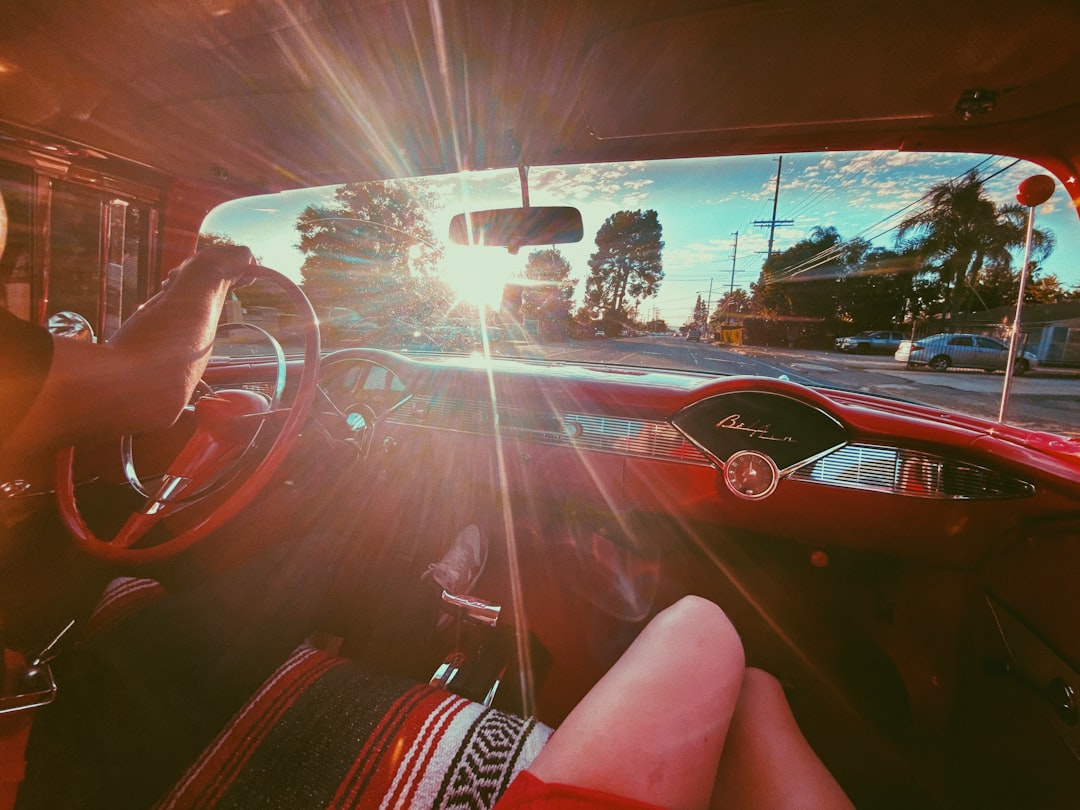
Glare from sunlight or headlights can be more than a nuisance—it can endanger lives. Sudden brightness can impair reaction time, especially when driving in early morning or late evening light. Window tints reduce glare significantly, enhancing overall visibility and reducing the risk of eye strain.
Drivers who wear contact lenses or glasses particularly benefit from this reduced visual interference. With glare under control, the road ahead becomes clearer, leading to a safer, less stressful driving environment.
Privacy and Security Enhancement
Tinting adds a layer of discreet protection for valuables inside the car. Potential thieves are less likely to target a vehicle when they can’t easily see inside. What isn’t visible often doesn’t become a temptation. This aspect makes window tinting not just a comfort feature but a theft deterrent as well.
Additionally, for people who value their personal space—such as public figures or parents with young children—tinting offers peace of mind. It creates a more private sanctuary within the vehicle while still allowing clear views from the inside out.
Window Tinting for Safety
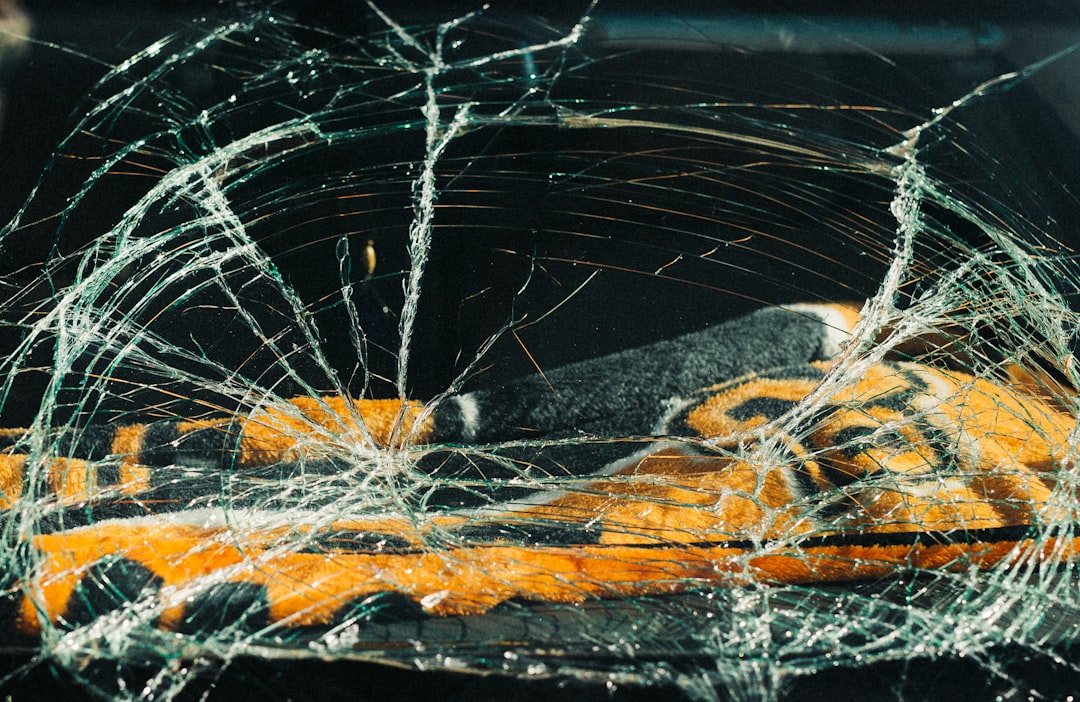
Safety isn’t usually the first thing that comes to mind when considering window tinting, but advanced films provide structural reinforcement to glass. In the event of an accident, the tint acts like a safety net, holding shattered glass together and reducing the likelihood of injury from flying shards.
This added layer can be particularly beneficial in rollover incidents or side-impact collisions, where side windows are most vulnerable. Ultimately, these films turn a cosmetic upgrade into a potential life-saving feature.
Legal Considerations and Professional Installation
It’s essential to research local laws before applying any type of window tinting, as each state or region enforces different regulations regarding tint darkness and reflectivity. Violation of these laws can result in fines or mandatory film removal. Always opt for certified professionals who are familiar with local codes and can recommend legal, effective options.
Professional installation ensures an even application without bubbles, peeling, or misalignment. Moreover, reputable installers often include warranties, providing peace of mind and long-term value. Avoiding DIY kits, while cheaper, helps ensure both appearance and functionality are preserved over time.
Types of Tinted Films Available
There are several types of automotive window films available, each suited for different needs:
- Dyed Film: Affordable and effective at blocking glare, but limited in UV and heat protection.
- Metalized Film: Reflects heat and adds strength, but may interfere with GPS or cell signal.
- Carbon Film: Superior UV protection without interference, offering a matte finish.
- Ceramic Film: Premium option providing top-tier heat rejection and clarity without interference.
Choosing the right film depends on budget, desired aesthetic, and functional priorities. Ceramic films may cost more upfront but offer the best all-around performance.
Conclusion: More Than Just a Cosmetic Upgrade
Automotive window tinting is a smart, multifaceted upgrade that delivers far-reaching benefits. From elevating visual appeal to bolstering safety and comfort, tints play a pivotal role in enhancing every aspect of the driving experience. By selecting quality materials and professional installation, drivers gain long-term functionality wrapped in sleek, stylish finishes.
Frequently Asked Questions (FAQ)
- Q: Is window tinting legal everywhere?
A: No. Window tinting laws vary by state or country. Always check local regulations regarding the permitted Visible Light Transmission (VLT) percentage. - Q: Will window tinting affect my visibility at night?
A: Properly installed and legally tinted windows should not significantly impair nighttime visibility. Very dark tints may impact nighttime driving, which is why legal limits exist. - Q: Can I remove or replace window tint later?
A: Yes. Professional installers can remove or replace tint films, though improper removal can damage windows or defrost lines. - Q: How long does tinted film last?
A: High-quality window films can last 5 to 10 years or longer when professionally installed and maintained correctly. - Q: Does tinted glass block UV rays completely?
A: Premium tints, especially ceramic ones, can block up to 99% of harmful UV rays. Not all films offer this level of protection, so choose wisely. - Q: How soon can I roll down windows after tinting?
A: Most professionals recommend waiting 3 to 5 days before rolling down windows to allow the film to cure properly.