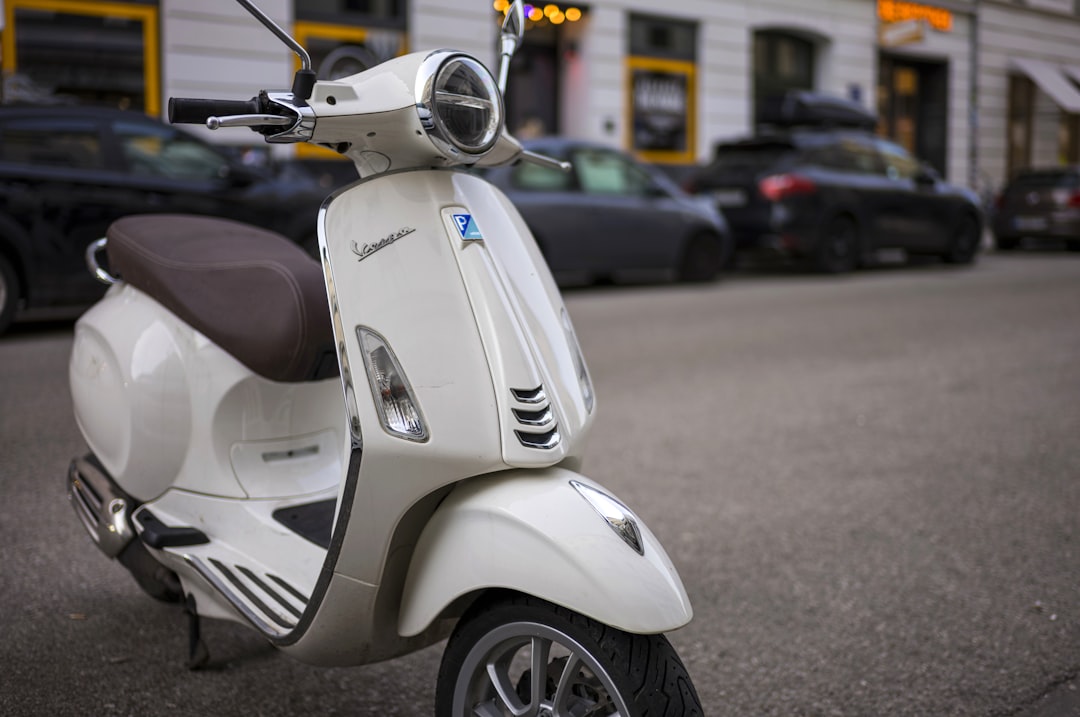
At a glance, the concept of a “pedal pedal car” might sound whimsical—perhaps even childlike. A vehicle powered by pedals in an age of electric propulsion seems as if it belongs in a different era. Yet, recent developments in personal mobility and green technology suggest otherwise. As urban infrastructure evolves and sustainability takes center stage, innovative hybrids between bicycles and electric vehicles (EVs) are galvanizing attention.
TL;DR: The pedal pedal car is not just a novel toy but a serious contender in sustainable urban mobility. Blending human-powered motion with electric assistance, these vehicles aim to fill the gap between bicycles and full-fledged electric cars. While critics may view them as impractical for everyday use, proponents cite their affordability, eco-friendliness, and maneuverability in city settings. The future of this concept depends on urban planning, user adoption, and technological refinement.
What Exactly Is a Pedal Pedal Car?
A “pedal pedal car” is a type of lightweight, enclosed vehicle that combines human-powered pedals with a small electric motor, often categorized under electric-assist velomobiles. These vehicles typically feature:
- A recumbent pedaling system similar to a bicycle
- An electric motor to assist when pedaling becomes too strenuous
- A streamlined, often weatherproof, enclosed design
- Batteries that can be recharged through regenerative braking or plugging into standard outlets
Unlike traditional electric vehicles or e-bikes, pedal pedal cars attempt to bridge the gap, offering more comfort and safety than bicycles while remaining more efficient and eco-friendly than cars.
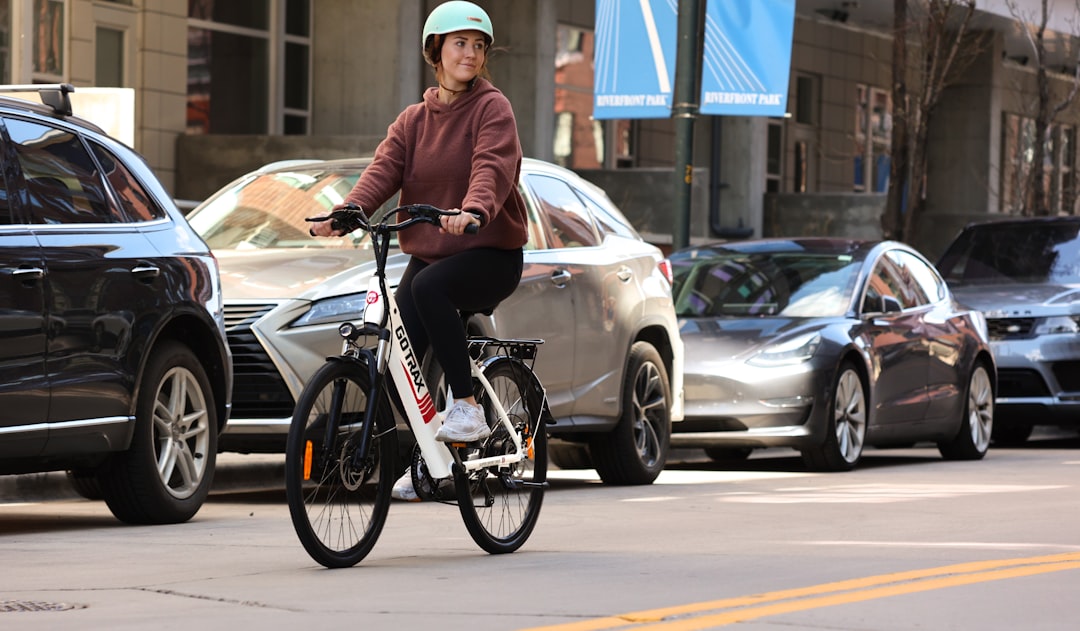
The Rise of Human-Electric Hybrids
The emergence of the pedal pedal car is not accidental. It is the culmination of several intersecting trends:
- Micromobility Boom: As cities encourage the reduction of car usage, solutions such as scooters, e-bikes, and compact EVs are flourishing.
- Environmental Pressures: Growing concern around CO2 emissions has increased interest in low-impact transport options.
- Urban Congestion: Commuters now seek alternatives that allow them to bypass traffic snarls without sacrificing speed or comfort.
- Technological Advancements: Lithium-ion battery improvements and lightweight materials make these hybrid vehicles both practical and increasingly cost-effective.
Companies such as Podbike, Veemo, and CityQ have taken note, producing models that blend engineering ingenuity with green design principles. These machines, while sharing DNA with bicycles, function more like minimalist cars.
Practical Benefits of the Pedal Pedal Car
Though unconventional, the pedal pedal car offers a surprising suite of practical benefits:
Environmental Impact
Operating one produces negligible direct emissions, making it arguably among the greenest commuting options available. With cities globally trying to meet net-zero targets, such vehicles offer a way to align personal mobility with broader climate goals.
Physical Health
Unlike fully electric vehicles, these cars preserve the opportunity for physical activity. Riders contribute effort through pedaling, which can help reduce sedentary lifestyle risks without overexertion thanks to electric assistance.
Cost Efficiency
Compared to electric cars, pedal pedal cars are significantly more affordable both in terms of upfront cost and operational overhead. There’s no gasoline, minimal electricity use, and often less regulatory overhead in terms of insurance and registration.
Urban Accessibility
Their compact size enables easier navigation through tight streets and bike lanes. Parking becomes a minor concern, and in many jurisdictions, they can be legally used on cycling infrastructure rather than being confined to car lanes.

Challenges and Limitations
Despite their potential, there are significant hurdles that pedal pedal cars must overcome to achieve mainstream adoption:
Weather Dependency
While many models offer enclosed cabins, bad weather still drastically impacts usability and comfort. Heating systems are rare, and visibility can become dangerous during heavy rain or snow.
Legal Ambiguity
Because they straddle the classification lines between bicycles and motor vehicles, laws governing pedal pedal cars are often unclear or inconsistent. This affects where they can be driven and how they must be equipped.
Market Perception
Many consumers view these vehicles more as novelties or toys than serious transportation tools. Overcoming this perception is essential for wide-scale adoption.
Limited Range and Speed
They’re ideal for short urban commutes, but their limited battery range and relatively slow top speeds (usually around 25–30 km/h or 15–20 mph) make them impractical for long-distance travel, at least in their current form.
Use Cases That Make Sense
Not all transportation needs are the same, and this is where the pedal pedal car shines. It’s particularly well-suited for:
- Suburban and urban commutes: Especially for journeys ranging from 3 to 10 miles.
- First- and last-mile transportation: Bridging the gap between home and public transit hubs.
- Delivery services: Small-scale, eco-friendly delivery operations in high-density areas.
- Campus transportation: Ideal for universities or business parks with large, spread-out facilities.
These use cases demonstrate that there is a niche—perhaps even a growing one—where pedal pedal cars solve real problems in cost-effective and environment-friendly ways.
Pedal Pedal Cars: Toy, Trend, or Next Technological Leap?
The verdict on pedal pedal cars depends largely on perspective. To a child, their resemblance to toys might make them fun and exciting. To a city planner or environmentalist, they represent a vital new tool in the toolkit of sustainable transportation planning.
Indeed, the line between utility and whimsy is increasingly blurred. In the early 20th century, cars themselves were seen as playthings for the wealthy. Today, pedal pedal cars are in a similar infancy—unit sales remain low and public awareness is limited. But as fuel prices rise and cities become less car-friendly, these hybrids may transition from curiosity to cornerstone.
Future Outlook and Innovation Opportunities
To reach their full potential, pedal pedal cars will need continued innovation and regulatory support. Key areas for development include:
- Improved Battery Efficiency: Offering longer range on a single charge while minimizing vehicle weight.
- Modular Design: Customizable interiors and features to suit different use cases.
- Smart Connectivity: Integration with GPS, ride-sharing apps, and real-time traffic systems.
- Weatherproofing: Enhancements to make all-weather commuting feasible and safe.
Public policy will also play a crucial role. Cities that develop bike lane infrastructure and offer subsidies for green transport options are more likely to see widespread adoption. Education campaigns can help shift public perception from “toy” to “tool.”
Conclusion
The pedal pedal car, while unconventional and sometimes misunderstood, is a serious entry in the broader category of sustainable mobility. It combines physical exertion with electric convenience, offering a middle ground between biking and driving. Though it may not replace your car tomorrow, it has the potential to claim a valuable spot in the future of transport—at least within urban ecosystems seeking greener paths forward.
Whether it remains a niche product or evolves into a common city sight will depend on how creatively we can integrate it into daily life—and whether we’re willing to rethink what a “vehicle” really means in the 21st century.