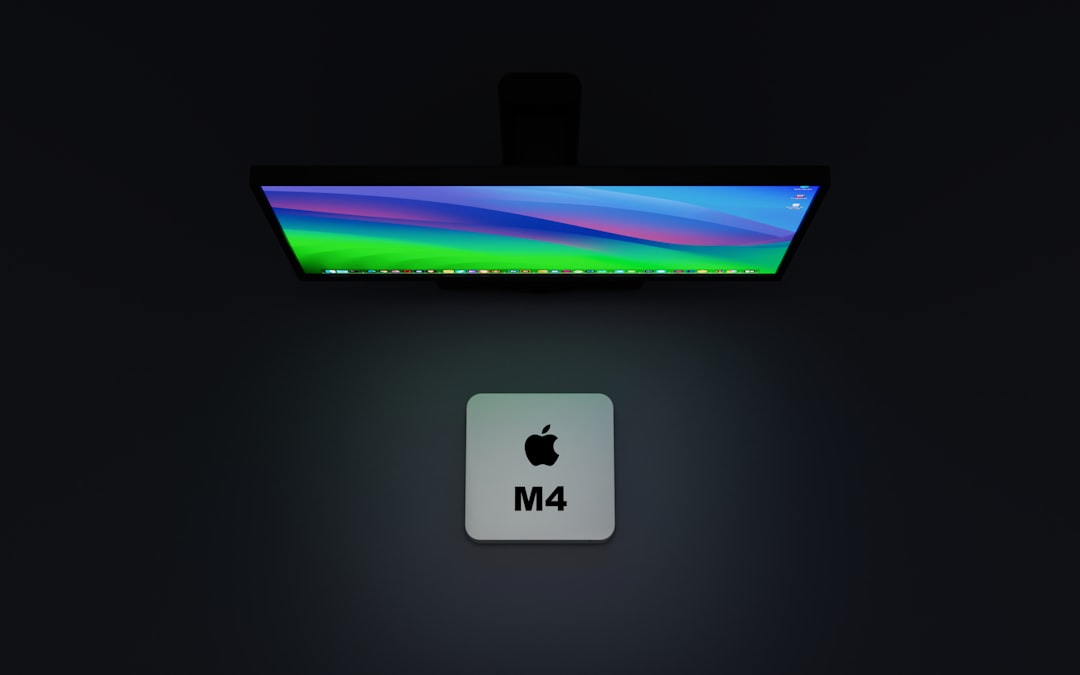
Tech innovations frequently redefine the boundaries of what’s possible, but Apple’s entry into the artificial intelligence space is an industry game-changer on an entirely new level. With the official debut of Apple Intelligence, the company is rewriting the rules for how AI is integrated into consumer technology—prioritizing privacy, ecosystem integration, and user-centric experiences. As Apple pivots to embrace intelligent features across its devices, questions abound regarding how this shift will affect software development, consumer behavior, and AI competition.
TL;DR: What You Need to Know
- Apple Intelligence is Apple’s new AI strategy focused on user privacy, on-device processing, and cross-device integration.
- Unlike conventional generative AI offerings, Apple is tying intelligence directly into its ecosystem (iPhones, Macs, iPads) through native features.
- It disrupts existing players like Google and OpenAI by offering privacy-first applications of AI.
- Developers, competitors, and consumers all need to adapt to this redefining moment in tech evolution.
What Is Apple Intelligence?
Apple Intelligence isn’t just Apple’s answer to AI—it’s a comprehensive reimagining of how intelligence should be embedded into personal technology. Rather than focusing exclusively on powerful generative outputs like ChatGPT or Google Bard, Apple’s vision centers around contextual intelligence, empowering its devices to understand user intent better, anticipate needs, and deliver seamlessly integrated assistance, all while protecting user privacy.
This includes powerful enhancements to Siri, native application improvements (such as Mail, Messages, and Notes), and the opening of developer tools for creating intelligent interactions. Built around Apple Silicon chips’ performance, much of Apple Intelligence happens on-device, reducing reliance on cloud computing for sensitive tasks.

Privacy-Preserving Intelligence
Perhaps the most notable differentiator of Apple’s approach is its insistence on a privacy-first AI model. In contrast to cloud-based AI tools that harvest user data to improve performance, Apple aims for on-device intelligence that never shares personal user data with the cloud unless absolutely necessary—and even then, it uses a new feature called Private Cloud Compute, ensuring any data processed server-side is handled securely and transparently.
This direction is crucial in an era when users are increasingly wary about the implications of AI on their security and agency. Apple is essentially saying: “You can have intelligent features without giving up your data.” This has the potential to reshape public trust in AI technologies.
Impact on Consumer Devices
Devices across the Apple ecosystem—iPhones, iPads, and Macs—stand to become significantly more powerful and intuitive with integration of Apple Intelligence. Siri becomes context-aware, better at understanding follow-up questions, summarizing content, and automating complex tasks. Native apps automatically suggest replies, prioritize notifications, and even summarize documents and web pages.
The cumulative effect of these enhancements is a smarter, more helpful experience—one that feels personalized without being invasive. For Apple users, especially those already invested in the ecosystem, this development promises both convenience and peace of mind.

Implications for Developers
Just as the App Store transformed software creation in the mobile age, Apple Intelligence opens up opportunities for developers to build smarter, AI-enhanced experiences directly into their apps. With Apple’s new Intents API and deeper integration of machine learning frameworks like Core ML, third-party developers can create features that use contextual data and natural language inferences to deliver better user interactions.
This highlights a pivotal shift: developers no longer need to rely on obscure server-side AI models. Instead, they can plug directly into Apple’s intelligent infrastructure, accelerating the time it takes to develop powerful tools with a user-first AI philosophy.
Competitive Pressure on Other Tech Giants
Apple’s entry into AI ratchets up the pressure on Google, Microsoft, Meta, and OpenAI—all of whom have taken more aggressive and data-intensive approaches toward AI development. Whereas those companies built centralized, cloud-based LLMs (Large Language Models), Apple has effectively flipped the equation by making high-performance AI local and private.
This move may force the rest of the big tech players to rethink their strategies or risk being outpaced by Apple’s holistic integration and strong consumer trust. More importantly, it presents a compelling argument for a more sustainable and secure path forward for AI in modern computing.
Broader Industry Impacts
Apple Intelligence is poised to affect multiple layers of the tech industry beyond Apple’s own devices. Here are a few likely ripple effects:
- Chip Manufacturers – More demand for neural engines and AI-friendly silicon that prioritize on-device performance.
- Privacy-Centric Markets – An industry-wide shift toward privacy-by-design AI platforms.
- Talent Recruitment – Increased hiring in machine learning, ethics, and human-centric AI UX fields.
- Enterprise Software – Businesses may prefer Apple’s privacy-compliant AI for enterprise-level applications.
By redefining what AI can look like on consumer and business devices, Apple is leading a transformational shift, not reacting to one.
Apple Intelligence vs Traditional Generative AI
To better understand the contrast between Apple’s approach and that of other companies, consider the following comparison:
| Feature | Apple Intelligence | Traditional Generative AI |
|---|---|---|
| Data Privacy | On-device processing & Private Cloud Compute | Cloud-based with user data consumption |
| Integration | Deep integration with Apple ecosystem | API-based, less ecosystem-specific |
| User Interface | Built into native apps like Mail, Notes, and Siri | Standalone apps like ChatGPT, Google Bard |
| Developer Tools | Intents API, Core ML, Swift integration | Custom APIs, cloud hooks |
The Long-Term Outlook
Apple rarely jumps onto trends early—but when it moves, it often redefines them. Apple Intelligence has the potential to reshape the trajectory of AI in consumer computing by prioritizing human-centered design, ethical systems, and privacy over raw power and hype.
Other tech companies will no doubt respond, but Apple’s first-mover advantage in integrating intelligence natively—with their trademark hardware-software synergy—may give them an edge. Consumers and creators alike will need to embrace new norms centered around localized AI, user data sovereignty, and seamless digital intelligence.
Conclusion
With Apple Intelligence, Apple asserts its role not just as a tech hardware leader but as a thought leader in shaping the future of AI. This evolution challenges competitors and empowers users, sending a clear message: AI doesn’t need to compromise privacy to be powerful.
Frequently Asked Questions (FAQ)
- What is Apple Intelligence?
- Apple Intelligence is Apple’s framework for integrating artificial intelligence features across its devices while prioritizing on-device processing and privacy.
- How does Apple Intelligence differ from other AI platforms like ChatGPT or Bard?
- Unlike traditional generative AI platforms that operate in the cloud and use user data, Apple Intelligence focuses on contextual, secure, and natively integrated intelligence running partly or entirely on-device.
- Is Apple Intelligence available on all Apple devices?
- Initial support is expected to be limited to newer devices that use Apple Silicon chips, as these are optimized for machine learning performance.
- What does Private Cloud Compute mean?
- It refers to Apple’s secure cloud computing framework where sensitive AI tasks, when needed off-device, are handled in encrypted, privacy-certified environments.
- Can developers use Apple Intelligence features in their apps?
- Yes, Apple is providing tools like the Intents API and Core ML updates that developers can use to enhance their apps using intelligent behaviors and context awareness.