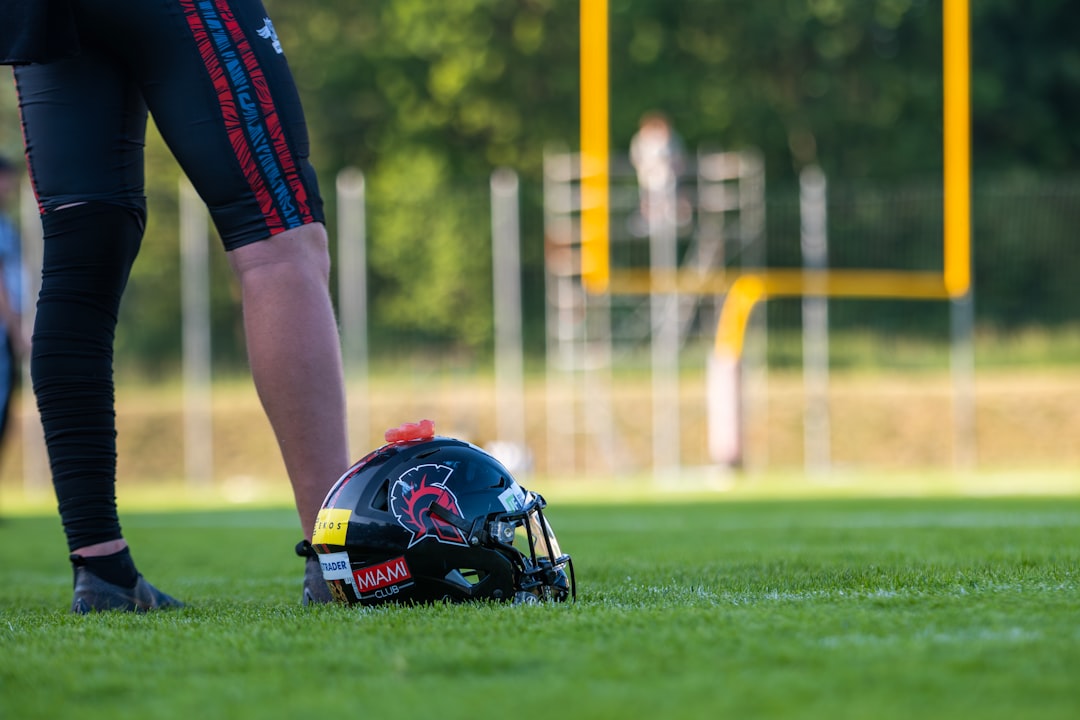
When you watch football, hockey, or even ride your bike, helmets are a big deal. They’re not just stickers and padding—they can be the difference between walking away from a fall or getting seriously hurt. But who decides which helmets are the best? One lab at Virginia Tech stepped up and changed the game forever.
TLDR: Too Long, Didn’t Read
Virginia Tech created a helmet rating system that shook up the sports world. Their lab tested helmets from many brands and rated them on how well they protect your head. The system helps athletes, parents, and coaches pick the safest gear. It’s simple, smart, and saving lives.
It All Started with Football
Football is fun, but not without its dangers. Concussions—those hard hits to the head—were getting more attention in the early 2000s. People wanted answers. Players were getting hurt, and some were facing long-term effects.
In 2011, Virginia Tech said, “Let’s test these helmets for real.” So they built a lab. A cool one. With crash dummies, sensors, and swinging pendulums. Think of it like a science fair on steroids.
Their mission was simple: find out which helmets protect best. And they didn’t just do it once. They tested over and over, then gave each helmet a star rating.
What Are These Helmet Ratings?
Virginia Tech’s system uses stars. Not the Hollywood kind. Safety stars. The higher the number of stars, the better the helmet.
- 5 stars = Best protection
- 4 stars = Good protection
- 3 stars = Okay, but not ideal
- 2 or 1 stars = Not recommended
They call the system VT STAR, which stands for “Summation of Tests for the Analysis of Risk.” Sounds fancy, right? But all you need to know is: more stars, safer head.
The ratings are based on two things:
- How hard the impact is
- How often hits happen in real play
It’s cool science meets real-world sports. The lab simulates hits just like in actual games. The more a helmet reduces the force on the head, the better the score.
From Gridiron to Bike Path
At first, it was all about football. But then Virginia Tech said, “Why stop there?” So they expanded.
Now, they test helmets for:
- Hockey
- Lacrosse
- Equestrian sports
- Biking
- Soccer headgear
- Even motorcycle helmets!
This means whether you’re on the slopes, under Friday night lights, or cruising down a bike trail, Virginia Tech’s got your head covered.

Why This Lab Matters
Before the VT STAR program, most helmet testing came from the companies that made the helmets. Kinda like letting kids grade their own homework. It just wasn’t super reliable.
Virginia Tech is totally independent. No brands pay them. They buy helmets with their own funds and test them without bias.
That means when they say a helmet is good, you can trust it.
The Public Gets the Power
Here’s where things get awesome. Virginia Tech puts all the ratings online. Anyone can check it. For free.
Parents use it. Coaches use it. Even pro athletes and schools check it when picking gear. It’s like Yelp, but for safety.
And here’s the kicker: helmet brands care. A five-star rating can make a helmet fly off shelves. So companies now compete to make the safest helmets out there. That means everyone wins.
It Sparked Real Change
Thanks to Virginia Tech, helmet manufacturers now work harder to prevent concussions. The safety bar has been raised.
Some schools even banned low-rated helmets. They want the best for their athletes. And insurance companies? They like it too. Fewer injuries mean fewer claims.

The NFL and NHL have even paid attention. Rules have changed, hits are watched more closely, and new designs keep rolling out. Players know which helmets help—and which to avoid.
Fun Facts
- Virginia Tech tested over 200 football helmets.
- They’ve impacted helmet designs around the world.
- Their rating system has been adopted by sports leagues, schools, and military groups.
And it’s not just big-name brands. Small start-ups get tested too. Some even beat out the big dogs!
It’s About More Than Just Gear
Yes, helmets matter. But Virginia Tech also wants you to play safe. They remind everyone that technique, training, and rules are just as important.
You can’t just wear a five-star helmet and play wild. Use your head—pun intended.
The Future of Helmet Safety
What’s next?
- More helmet types tested—think skiing and skateboarding.
- Even smarter tech—like impact sensors built into gear.
- A push for global safety standards on all helmets.
Virginia Tech keeps doing the work, so you can ride, play, and coach with confidence.
Conclusion: One Lab, Big Impact
Virginia Tech’s helmet ratings changed the game. What started as a way to measure football helmets became a worldwide safety movement.
They brought science to the field. Gave truth to consumers. And pushed for better gear with every test.
Your brain is worth protecting. And thanks to this lab, it’s safer than ever.
So next time you strap on a helmet, remember – a team of scientists already took a hit for you.