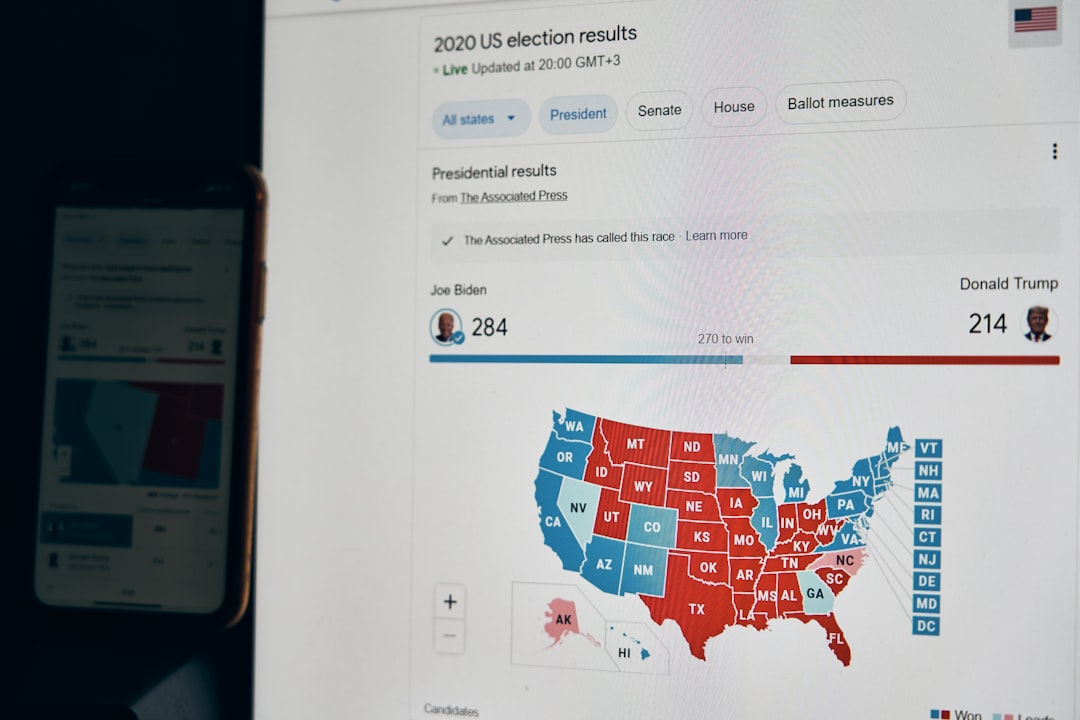
Video-on-demand platforms have transformed from passive viewing hubs into dynamic, engagement-driven experiences. As competition intensifies across streaming services, e-learning portals, and brand platforms, simply delivering high-quality content is no longer enough. Today’s audiences expect interaction, personalization, and participation. That’s where interactive VOD features step in—turning viewers into active participants and significantly boosting engagement metrics.
TLDR: Interactive VOD features like polls, branching storylines, and mini-games dramatically increase viewer engagement and retention. By transforming passive watching into active participation, platforms can deepen emotional connection and gather valuable audience insights. Features such as quizzes, clickable hotspots, and gamification tools drive longer watch times and higher satisfaction. Implementing the right mix of interactive tools can directly impact conversions, learning outcomes, and brand loyalty.
1. Real-Time Polls and Surveys
Real-time polls allow viewers to share opinions while watching content. Whether integrated into live streams or on-demand replays, polls create a sense of inclusion and immediacy. Viewers feel their input matters, especially when results influence the direction of the content.
Why it works:
- Encourages active participation
- Provides immediate feedback loops
- Generates valuable audience data
- Increases time spent on platform
For example, a reality-style show might allow viewers to vote on a contestant’s next challenge. Educational platforms use polls to assess comprehension before moving forward. Marketing teams leverage them for product preference insights.
Polls are particularly effective because they lower the barrier to engagement—answering a single-click question feels effortless yet empowering.
2. Branching Content and Choose-Your-Path Storytelling
Branching narratives enable viewers to make decisions that alter story outcomes. Popularized by interactive films and gaming experiences, this format creates multiple story paths within a single piece of content.
Key engagement benefits:
- Boosts replay value
- Enhances emotional investment
- Provides personalized viewing experiences
- Increases completion rates
Instead of passively consuming a storyline, audiences become decision-makers. Corporate training videos often use branching scenarios to simulate workplace dilemmas. Entertainment platforms apply it to deliver multiple endings.
This feature naturally encourages repeat views because audiences want to explore alternative outcomes, effectively doubling or tripling watch time.
3. Integrated Mini-Games
Mini-games embedded within VOD content add a playful dimension. These quick, interactive challenges—like solving a puzzle mid-episode or participating in a trivia round—break passive viewing patterns and re-energize attention spans.
Examples include:
- Trivia quizzes during documentaries
- Product-matching games in marketing videos
- Problem-solving scenarios in corporate training
- Point-based challenges in fitness programs
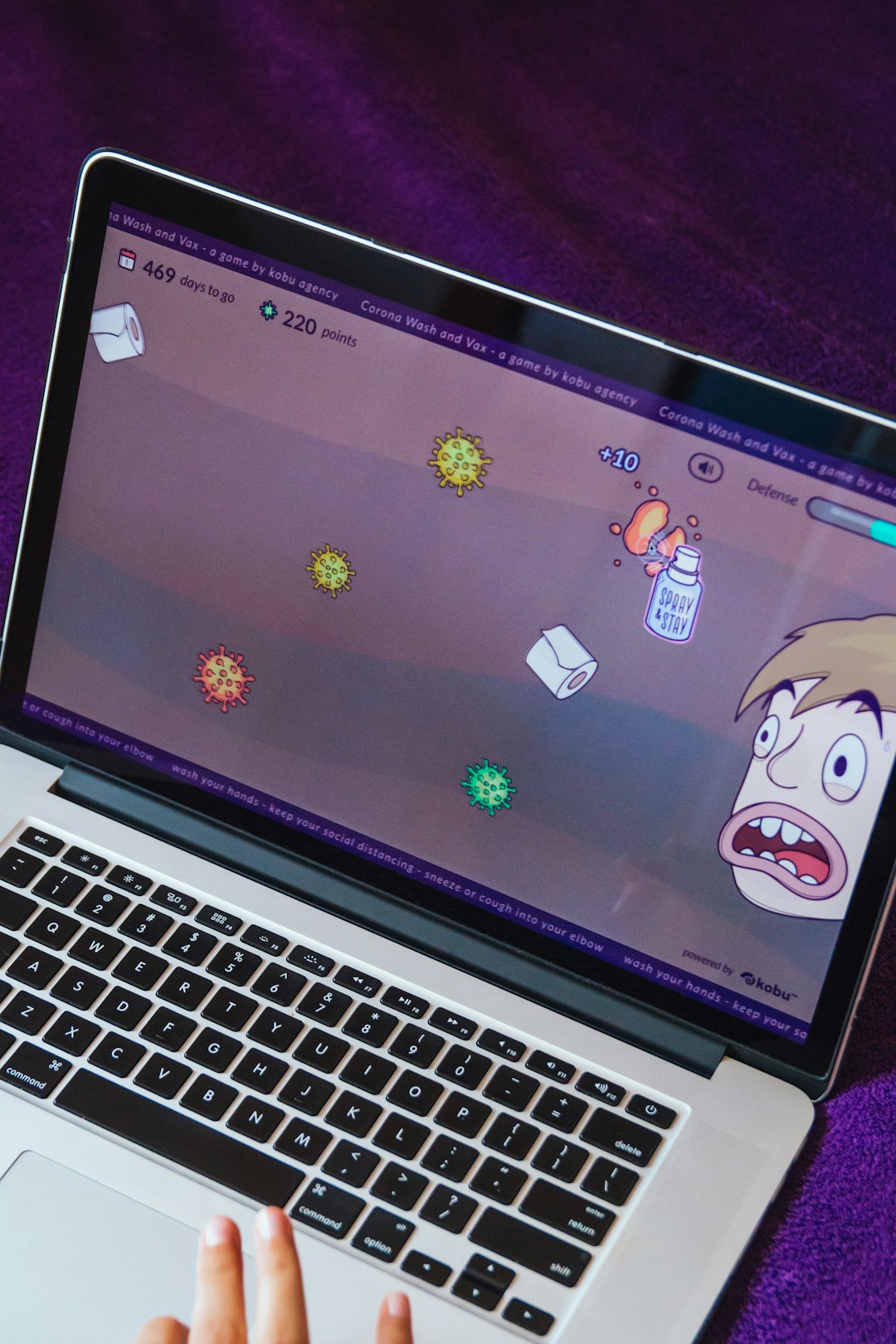
Gamified features tap into psychological triggers such as achievement and reward. Leaderboards, badges, and point systems amplify competitive spirits and social sharing. For e-learning platforms especially, this leads to improved retention and higher course completion rates.
4. Clickable Hotspots and Shoppable Video
Clickable hotspots allow viewers to interact directly with on-screen elements. By clicking on a product, character, or object, users can access additional information, behind-the-scenes content, or purchasing options.
This feature is powerful because it:
- Bridges content and commerce
- Provides contextual details without leaving the video
- Enhances storytelling depth
- Drives direct conversions
Retail brands frequently use shoppable video technology to enable instant purchasing. Viewers watching a fashion show can click on outfits to see prices and product details.
Educational creators use hotspots to provide supplementary diagrams or definitions without interrupting the main narrative. This adds depth while maintaining viewer focus.
5. Interactive Quizzes and Knowledge Checks
Quizzes extend beyond entertainment. In corporate and academic settings, knowledge checks measure comprehension while reinforcing key information.
Benefits include:
- Immediate feedback for learners
- Increased retention through active recall
- Progress tracking capabilities
- Certification integration
Instead of waiting until the end of a course, intermittent quizzes maintain sustained attention throughout the experience. Streaming platforms can even use personality quizzes to recommend tailored content.

By transforming viewers into participants, quizzes prevent cognitive fatigue—a common issue in lengthy video sessions.
6. Live Chat and Community Interaction Layers
Community features layered on top of VOD content give viewers opportunities to discuss, react, and debate. Even when watching pre-recorded videos, synchronized comment threads recreate live experiences.
Engagement advantages:
- Builds community loyalty
- Encourages return visits
- Provides social proof
- Amplifies emotional reactions
Creators leverage chat integrations to answer audience questions in follow-up videos. Brands use them to test campaign messages. Fitness instructors enable group motivation through shared accountability.
Community interaction drives what psychologists call “shared experience value,” making content more memorable.
7. Personalized Dynamic Overlays
Dynamic overlays adjust content based on viewer data, preferences, or viewing history. Instead of showing identical videos to everyone, platforms customize certain elements in real time.
Examples:
- Personalized end-screen recommendations
- Location-specific calls to action
- Adaptive difficulty levels in training modules
- Language-based content switching
This type of personalization increases relevance, which directly correlates with satisfaction and retention. Advanced analytics tools enable platforms to optimize overlays based on performance metrics.
Comparison Chart of Interactive VOD Features
| Feature | Primary Goal | Best Used For | Engagement Impact | Data Collection Level |
|---|---|---|---|---|
| Real-Time Polls | Audience participation | Live events, reality shows | High | Medium |
| Branching Content | Personalized storytelling | Training, entertainment | Very High | Low to Medium |
| Mini-Games | Gamified engagement | E-learning, marketing | High | Medium |
| Clickable Hotspots | Direct interaction and sales | Retail, education | High | High |
| Interactive Quizzes | Knowledge validation | Corporate training | Very High | High |
| Live Chat Layers | Community building | Entertainment, fitness | Medium to High | Medium |
| Dynamic Overlays | Personalization | Marketing, streaming | High | Very High |
Why Interactive VOD Features Matter More Than Ever
Audience attention spans are shrinking. Static, linear experiences struggle to compete with the dynamic interactivity of social media and gaming platforms. Interactive VOD bridges that gap by merging storytelling with participation.
From an analytical perspective, interactive elements offer two distinct advantages:
- Quantifiable engagement data that goes beyond play rate and watch time
- Behavioral insights that inform content optimization and monetization strategies
Platforms implementing interactive features often report:
- Higher video completion rates
- Improved conversion metrics
- Stronger subscriber retention
- Increased social sharing behavior
By transforming viewers into contributors, interactive VOD shifts consumption patterns from passive to participatory.
FAQ
1. What is interactive VOD?
Interactive VOD (Video on Demand) refers to video content enhanced with participatory elements such as polls, quizzes, branching narratives, clickable hotspots, and mini-games that allow viewers to actively engage rather than passively watch.
2. Do interactive features increase video completion rates?
Yes. Features like quizzes, branching paths, and mini-games maintain attention and encourage viewers to continue watching, often significantly improving completion rates.
3. Are interactive VOD features expensive to implement?
Costs vary depending on complexity. Simple polls and quizzes are relatively affordable, while advanced branching narratives and personalization engines require greater technical investment.
4. Which industries benefit most from interactive VOD?
Industries such as e-learning, retail, entertainment, corporate training, and digital marketing see the greatest benefits due to the direct impact on engagement and measurable outcomes.
5. How do interactive features help with data collection?
Interactive elements capture user input, behavioral decisions, preferences, and participation metrics. This data enables platforms to refine content strategies and improve personalization efforts.
6. Can interactive VOD work on mobile devices?
Yes. Modern interactive platforms are optimized for mobile, allowing seamless tapping, swiping, and participation across smartphones and tablets.
7. Is branching content suitable for all types of videos?
Not always. Branching is most effective in storytelling, simulations, and training scenarios. Informational or news-style content may benefit more from polls or clickable overlays.
Interactive VOD features are no longer optional enhancements—they represent the next evolution of audience engagement. Platforms that adopt these tools strategically will not only capture attention but also cultivate loyalty, participation, and measurable growth.