Serious antique collectors know that passion alone is not enough. Evaluating and cataloging antiques requires precision, documentation, and the right set of tools. Whether they collect vintage jewelry, rare books, ceramics, or antique furniture, experienced collectors rely on specialized equipment to make informed decisions and maintain organized records.
TLDR: Antique collecting requires more than a good eye—it demands reliable tools to evaluate authenticity, condition, and value. Essential equipment includes a jeweler’s loupe, UV light, digital scale, calipers, reference guides, archival storage supplies, and cataloging software. Together, these tools help collectors avoid costly mistakes, preserve items properly, and maintain professional-level documentation. Investing in quality evaluation tools ultimately protects both the collection and its long-term value.
Below are seven essential antique collecting tools that help enthusiasts and professionals evaluate and catalog items accurately and confidently.
1. Jeweler’s Loupe
A jeweler’s loupe is one of the most fundamental tools in antique evaluation. Typically offering 10x magnification, this small handheld magnifier allows collectors to closely inspect hallmarks, maker’s marks, signatures, and signs of wear or repair.
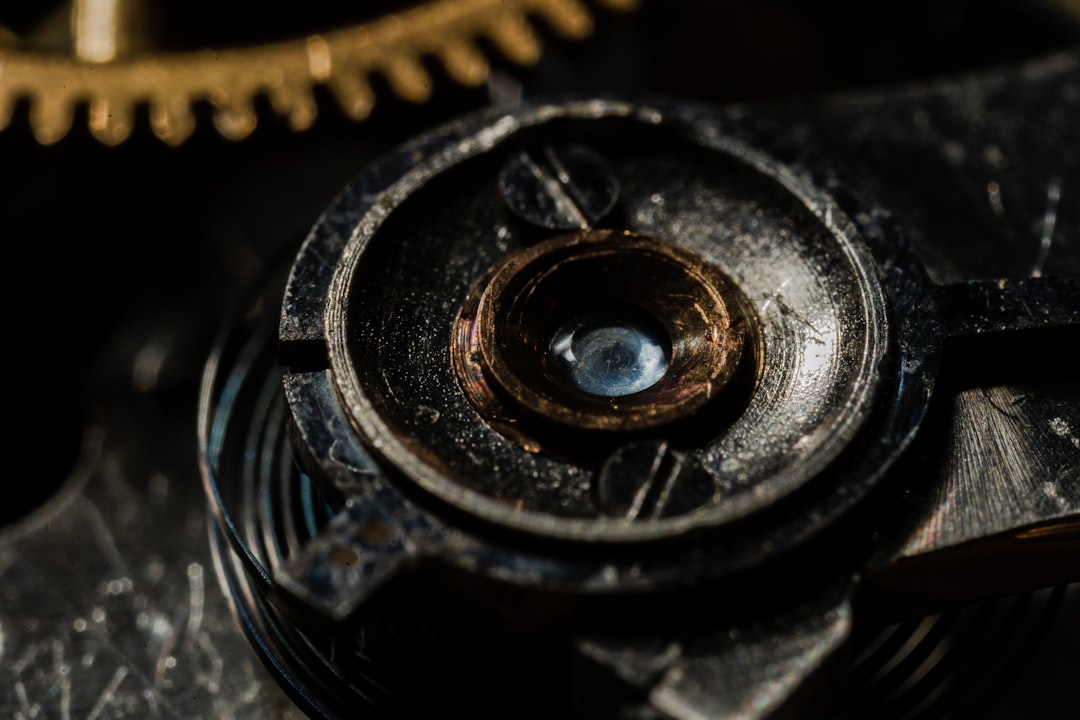
With a loupe, collectors can:
- Identify maker’s marks on silver and gold
- Examine porcelain backstamps
- Detect cracks, chips, or restoration
- Verify engraving authenticity
Why it matters: Many reproductions can appear authentic to the naked eye. Under magnification, however, inconsistencies in craftsmanship or artificial aging techniques often become visible.
2. Ultraviolet (UV) Light
A UV light, also known as a blacklight, reveals hidden details that standard lighting cannot. Different materials react uniquely under ultraviolet light, making it a powerful tool for verifying age and detecting repairs.
Collectors commonly use UV light to:
- Identify glued repairs in ceramics and glass
- Detect fabric bleaching or alterations
- Authenticate uranium glass
- Spot overpainting on artwork
For example, newer adhesives often fluoresce under UV light, while older glues may not. Similarly, modern optical brighteners in fabrics glow differently than natural fibers from earlier centuries.
Pro tip: A portable, battery-operated UV flashlight is ideal for estate sales, flea markets, and antique fairs.
3. Digital Scale
A precise digital scale is especially critical for collectors of coins, jewelry, and precious metal objects. Weight inconsistencies can signal reproductions, missing components, or hidden damage.
Collectors should look for scales that measure in:
- Grams
- Troy ounces
- Pennyweights (dwt)
For example, a gold coin that weighs even slightly less than the official mint specification may indicate wear, filing, or forgery. Likewise, silver flatware patterns often have standard weight ranges that help verify authenticity.
Accuracy is everything. A scale with at least 0.01-gram precision is recommended for small valuables.
4. Digital Calipers
Digital calipers measure thickness, diameter, and depth with extreme accuracy. These are essential when evaluating coins, antique tools, watch parts, and small mechanical items.
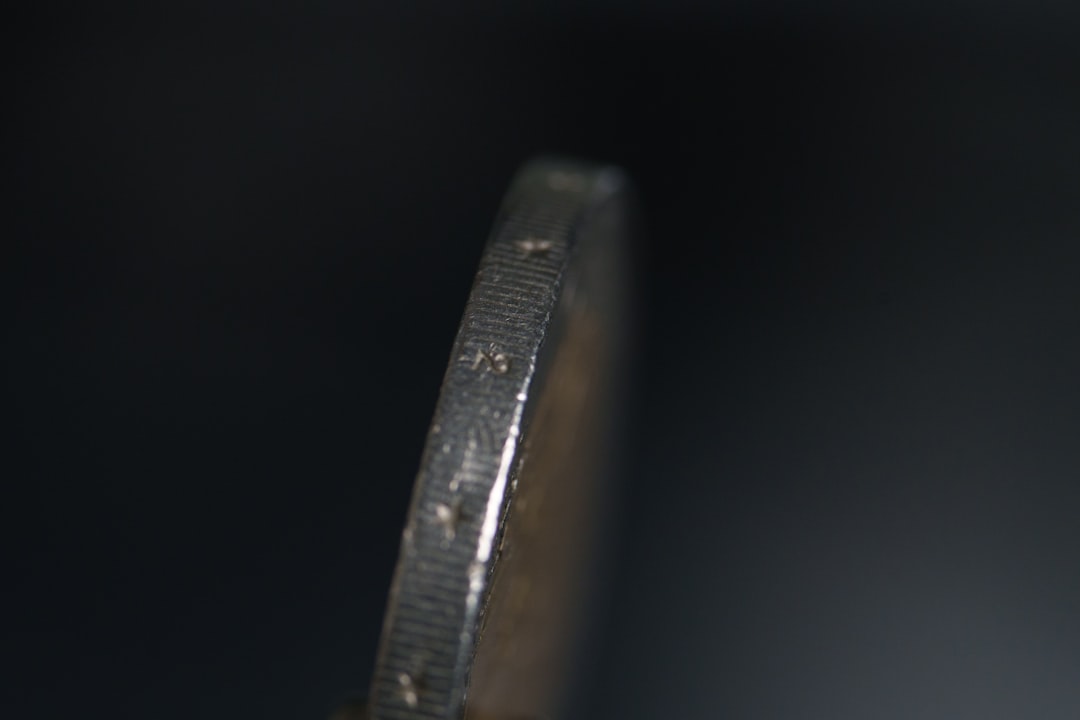
They allow collectors to:
- Verify coin diameters against mint specifications
- Measure furniture joinery components
- Confirm gemstone dimensions
- Compare hardware sizes for period accuracy
Minor variations in measurement can distinguish an original from a reproduction. For instance, modern reproductions of antique coins may be fractions of a millimeter off in thickness.
5. Reference Books and Price Guides
No serious collector should operate without a library of reference materials. While digital research is useful, authoritative printed guides remain invaluable for in-depth analysis.
A strong reference collection may include:
- Specialized price guides
- Maker’s mark directories
- Hallmark identification books
- Auction catalogs
- Historical production guides
These resources help determine:
- Production dates
- Manufacturer history
- Market trends
- Authenticity indicators
Important note: Prices fluctuate. Collectors should treat printed values as guidelines and compare them with recent auction results for accuracy.
6. Archival Storage Supplies
Evaluating antiques is only half the responsibility—proper preservation is equally important. Archival-quality storage materials protect items from environmental damage.
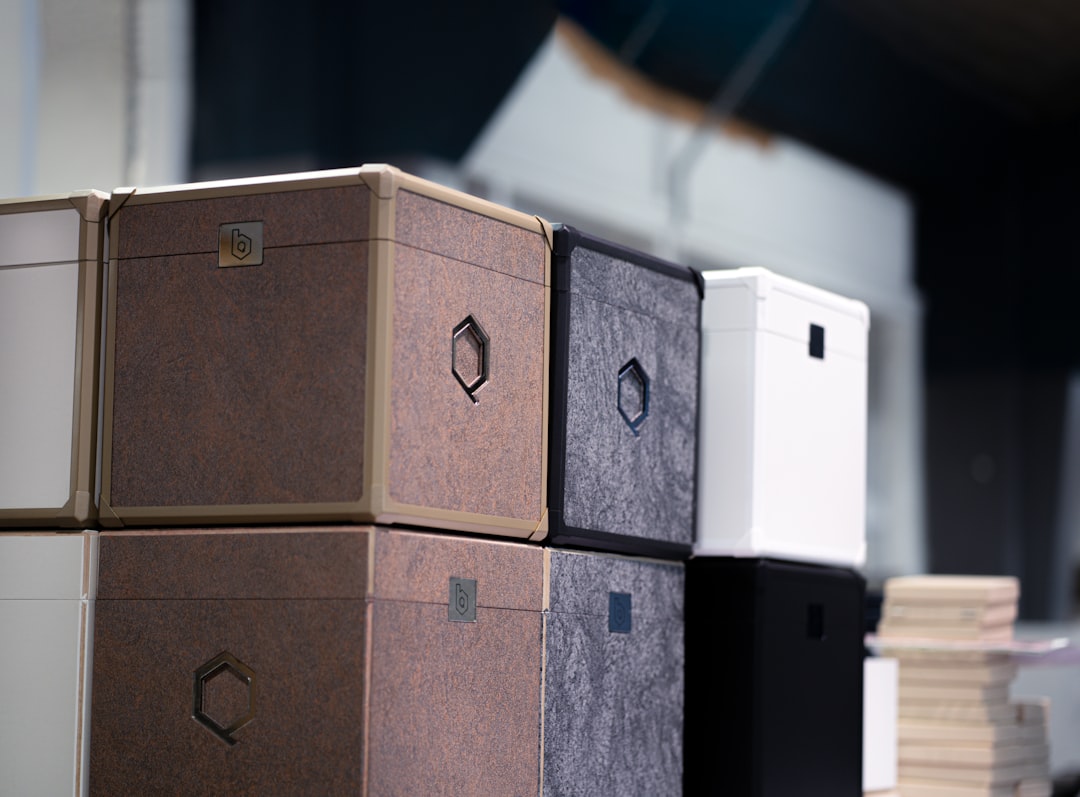
Essential archival supplies include:
- Acid-free boxes
- Buffered tissue paper
- Polyethylene sleeves
- Silica gel packets
- Humidity monitors
Paper items, textiles, and photographs are particularly vulnerable to acidity, humidity, and light exposure. Using proper materials prevents yellowing, mold growth, and structural weakening.
Preservation directly affects value. Items stored improperly may degrade beyond repair, significantly reducing their market appeal.
7. Cataloging Software or Inventory System
As collections grow, organization becomes critical. A digital cataloging system helps collectors maintain detailed records for insurance, resale, and estate planning purposes.
A good catalog entry typically includes:
- High-resolution photographs
- Acquisition date and source
- Purchase price
- Dimensions and weight
- Condition notes
- Provenance information
- Current estimated value
Collectors may use dedicated antique inventory software or customized spreadsheets. Cloud-based systems provide additional security through backups and remote accessibility.
Why this is crucial: In case of theft, fire, or insurance claims, detailed documentation significantly simplifies valuation and reimbursement processes.
Comparison Chart of Antique Collecting Tools
| Tool | Primary Use | Best For | Portability | Skill Level Required |
|---|---|---|---|---|
| Jeweler’s Loupe | Magnification | Jewelry, silver, ceramics | High | Beginner |
| UV Light | Detect repairs and material differences | Glass, art, textiles | High | Intermediate |
| Digital Scale | Weight verification | Coins, metals, jewelry | Medium | Beginner |
| Digital Calipers | Precision measurement | Coins, mechanical items | Medium | Intermediate |
| Reference Guides | Research and pricing | All categories | Low | All Levels |
| Archival Supplies | Preservation | Documents, textiles | N/A | Beginner |
| Cataloging Software | Inventory management | Entire collections | High | Beginner |
Building a Reliable Evaluation Kit
Professional antique dealers often keep a portable evaluation kit ready for appraisals and buying trips. A compact pouch containing a loupe, UV flashlight, small scale, and calipers allows them to assess items on the spot.
However, tools alone do not replace expertise. Knowledge, experience, and ongoing education remain essential components of successful collecting. The tools simply enhance accuracy and reduce guesswork.
By integrating these seven tools into their process, collectors transform from hobbyists into informed evaluators capable of protecting their investments and preserving history responsibly.
Frequently Asked Questions (FAQ)
1. What magnification is best for a jeweler’s loupe?
A 10x magnification loupe is considered the industry standard. It provides sufficient detail without excessive distortion.
2. Can a UV light damage antiques?
Brief exposure during inspection is generally safe. Long-term or repeated exposure, however, may cause fading in sensitive materials like textiles and paper.
3. Are digital scales necessary for all collectors?
No. They are most important for those collecting coins, jewelry, and precious metals. Furniture collectors may rarely need one.
4. How often should a collection be re-cataloged?
Collectors should review and update records at least once per year, especially to adjust market values and condition notes.
5. Is software better than paper records?
Digital systems offer searchability, backups, and photo integration, making them more efficient. However, maintaining a secondary offline backup is strongly recommended.
6. What is the biggest mistake beginner collectors make?
Relying solely on visual impression without verification tools or research. Even experienced collectors use multiple evaluation methods before making purchases.
7. Do these tools replace professional appraisals?
No. While they help with preliminary evaluation, certified appraisers provide formal valuations required for insurance, resale, or legal matters.
With the proper tools and disciplined documentation habits, antique collectors safeguard not only their investments but also the historical integrity of the objects they cherish.