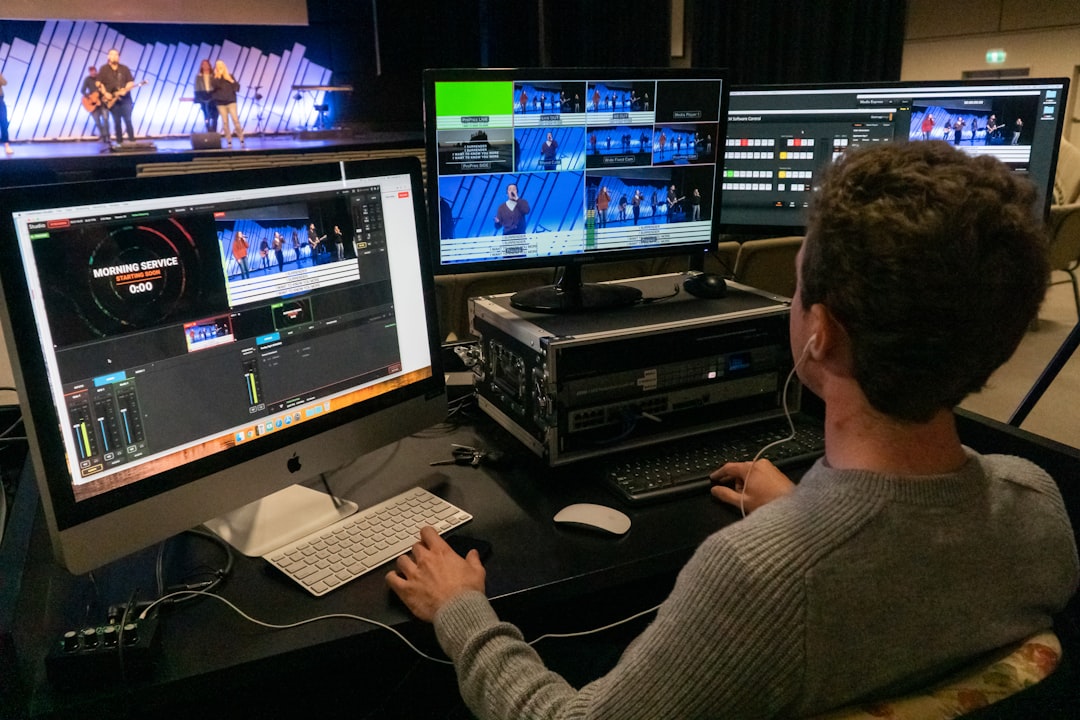
Hybrid streaming platforms are redefining how audiences consume video content in 2026. As viewers increasingly expect both real-time interaction and on-demand convenience, platforms must master the balance between live and pre-recorded delivery models. The evolution of bandwidth infrastructure, AI-driven recommendation engines, and immersive viewing technologies has intensified the competition, making strategic decisions more critical than ever. Organizations that effectively integrate live and on-demand formats are gaining significant advantages in user engagement, retention, and monetization.
TLDR: Hybrid streaming platforms in 2026 must strategically combine live and on-demand video to stay competitive. Live content drives immediacy and engagement, while on-demand ensures accessibility and long-term value. Successful platforms integrate both formats using personalization, monetization optimization, and technology infrastructure investments. The key to growth lies in balancing real-time interaction with content longevity.
Below are six key strategies that platforms are using to successfully merge live and on-demand video experiences.
1. Event-Driven Live Streaming with On-Demand Repurposing
Live streaming continues to dominate high-engagement moments such as sports events, product launches, gaming tournaments, and virtual conferences. The urgency and exclusivity of live broadcasts create a sense of shared experience that on-demand content alone cannot replicate.
However, leading platforms in 2026 no longer treat live events as one-time experiences. They strategically repurpose live content into:
- Edited highlight reels
- Segmented topic-based clips
- Behind-the-scenes exclusives
- Podcast-style audio adaptations
- Short-form vertical content for social channels
This approach maximizes content lifespan and monetization opportunities. AI-powered auto-editing tools now help detect key moments in real time, significantly reducing production turnaround.
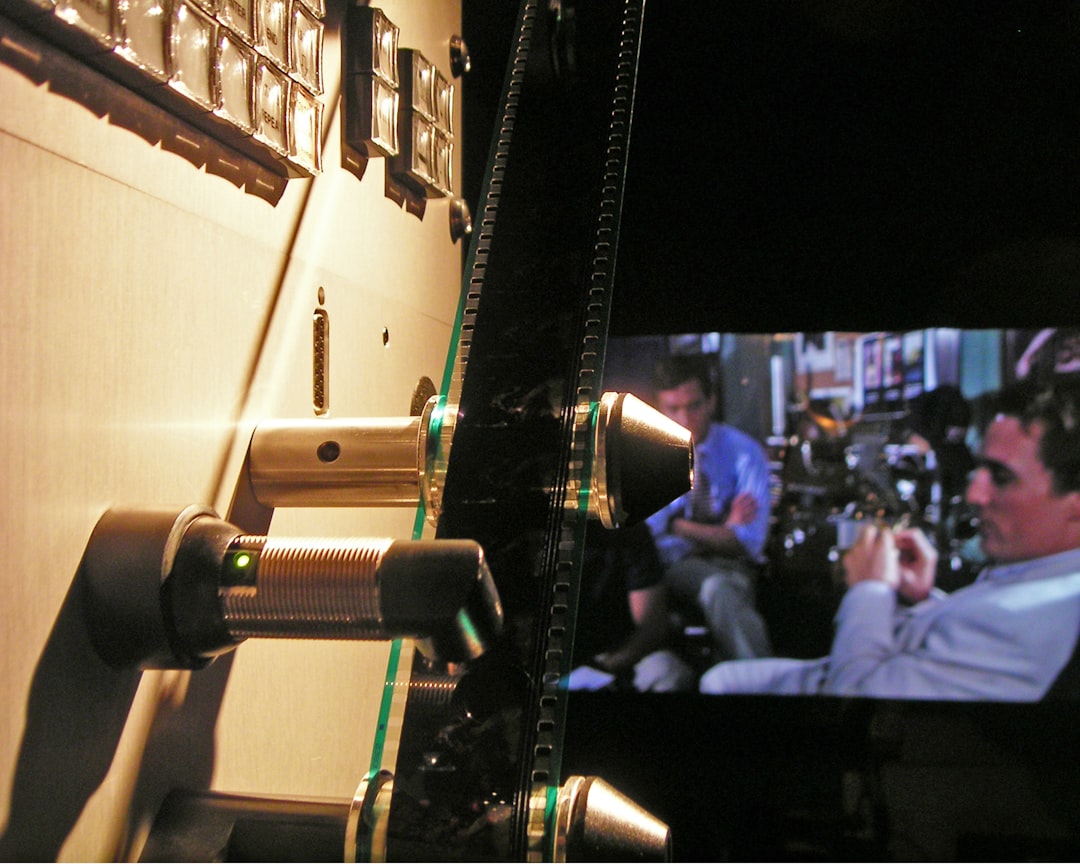
Key insight: The most successful hybrid platforms plan repurposing during pre-production rather than as an afterthought.
2. Personalized Live Feeds Enhanced by On-Demand Libraries
One of the most powerful developments in 2026 is AI-driven personalization. Hybrid platforms use machine learning to recommend live events based on viewers’ historical on-demand behavior.
For example, a viewer who regularly watches recorded fitness classes may receive real-time notifications about upcoming live workout sessions. Similarly, fans of on-demand tech reviews may be invited to exclusive live Q&A sessions.
This cross-format integration increases:
- Live event attendance
- Platform session time
- Subscriber retention
- Community engagement
On-demand libraries act as behavioral data engines, helping predict interest in future live events. Meanwhile, live engagement data helps refine future content curation for on-demand catalogs.
In 2026, hybrid strategy is powered less by content volume and more by data intelligence.
3. Tiered Monetization Models Across Formats
Hybrid platforms have evolved monetization models beyond simple subscriptions. Instead, they implement layered pricing structures that treat live and on-demand differently while maintaining synergy.
Common monetization structures include:
- Freemium on-demand access with premium live event tickets
- Subscription bundles that include limited live sessions
- Pay-per-view live events with replay access included
- Ad-supported VOD with ad-free live upgrades
- Interactive live commerce integration
Interactive shoppable live streams have particularly gained traction. Viewers can purchase featured products without leaving the broadcast. The recorded version remains available for ongoing revenue generation.
This dual monetization strategy reduces risk. If live attendance underperforms, on-demand views often compensate. Conversely, strong live turnout can boost subscription conversions.
4. Community Building Through Live Interaction and On-Demand Continuity
Community remains a defining advantage of live video. Real-time chat, reaction tools, live polls, and audience shoutouts create a participatory environment.
In 2026, platforms enhance this by extending community conversations beyond the live window. Recorded streams often include:
- Time-stamped comment threads
- Highlighted top viewer questions
- Creator follow-up responses
- Interactive overlays preserved in replay mode

This fusion ensures that viewers who missed the event can still feel connected. Some platforms even simulate “premiere-style” replay sessions, enabling real-time interaction around recorded content.
Strategic takeaway: Engagement should not stop when the live stream ends. Strong hybrid platforms continuously nurture community momentum.
5. Infrastructure Optimization for Scalability and Quality
Live streaming demands low latency and real-time scalability. On-demand streaming prioritizes efficient content delivery networks and fast start times. Balancing these technical requirements is essential.
In 2026, leading platforms invest in unified streaming infrastructure that supports:
- Adaptive bitrate streaming
- Edge-based content delivery
- Cloud-native encoding pipelines
- AI-driven bandwidth prediction
- Offline viewing capabilities
Low-latency protocols such as WebRTC enhancements and advanced HLS implementations allow platforms to deliver near-instant live interactions without compromising playback quality for VOD libraries.
The challenge lies in cost optimization. Maintaining peak live capacity while managing extensive on-demand libraries can strain budgets. Smart traffic forecasting tools now help redistribute server resources dynamically based on real-time demand patterns.
6. Immersive and Multi-Format Experiences
In 2026, immersive technologies are no longer experimental. Hybrid streaming platforms increasingly integrate:
- 360-degree live broadcasts
- Virtual reality event access
- Multi-camera angle selection
- Interactive overlays
- AI-generated multilingual subtitles
Live formats benefit from immersive camera switching and audience-controlled angles. Meanwhile, on-demand viewers can enjoy customizable playback features such as selectable commentary tracks or alternate viewpoints.
This depth of customization blurs the distinction between live and recorded formats. Viewers expect both to offer equally rich experiences.
The future of hybrid streaming lies not in choosing between live and on-demand, but in merging their strengths into a seamless ecosystem.
Strategic Considerations for 2026 Platforms
To fully capitalize on hybrid models, platforms must align content, technology, and analytics strategies. Key considerations include:
- Content Lifecycle Planning: Every live stream should have a long-term distribution roadmap.
- Data Integration: Live engagement data should inform on-demand recommendations.
- User Experience Consistency: Navigation between live and VOD should feel unified.
- Scalable Monetization: Revenue models must adapt to audience behavior shifts.
- Global Accessibility: Multilingual features and regional streaming optimization are crucial.
Platforms that treat live and on-demand teams as separate silos often struggle with fragmented user experiences. Conversely, organizations that unify departments under a hybrid-first philosophy outperform competitors.
Conclusion
Hybrid streaming platforms in 2026 operate in an environment where flexibility defines success. Live video drives urgency, emotion, and community. On-demand content provides convenience, longevity, and scalable value. The winning strategy lies in harmonizing these formats rather than prioritizing one over the other.
By leveraging intelligent personalization, advanced infrastructure, diversified monetization, and immersive technologies, platforms can deliver cohesive experiences that satisfy evolving viewer expectations. The gap between “live” and “recorded” continues to narrow, and the most successful players are those who design ecosystems where both coexist seamlessly.
Frequently Asked Questions (FAQ)
1. Why are hybrid streaming platforms more popular in 2026?
Hybrid platforms offer flexibility. Audiences want real-time interaction during events but also value the ability to watch content at their convenience. Combining live and on-demand caters to both behaviors.
2. Is live streaming more profitable than on-demand content?
Not necessarily. Live streaming can generate high short-term revenue through ticketing and sponsorships, while on-demand content offers long-term monetization through ads, subscriptions, and continuous views. A hybrid model balances both revenue streams.
3. How does AI improve hybrid streaming strategies?
AI enhances personalization, automates highlight creation, optimizes ad placement, predicts bandwidth needs, and improves content recommendations across live and VOD formats.
4. What industries benefit most from hybrid streaming?
Entertainment, sports, education, corporate training, e-commerce, gaming, and religious organizations all benefit from combining live engagement with on-demand accessibility.
5. What is the biggest challenge in managing hybrid platforms?
The main challenge is balancing infrastructure costs and user experience. Platforms must maintain low-latency live streaming while hosting extensive VOD libraries without compromising quality or performance.
6. Will on-demand replace live streaming in the future?
Unlikely. While on-demand remains essential, live streaming fulfills a unique demand for shared, real-time experiences that cannot be fully replicated by recorded video.