TikTok has rapidly evolved from a viral video platform into a powerful advertising ecosystem where brands compete for attention in fast-moving feeds. As ad budgets increase and targeting becomes more sophisticated, marketers need precise tools to track performance, measure return on ad spend (ROAS), and optimize campaigns in real time. Relying solely on TikTok’s native analytics often leaves gaps in attribution, cross-channel visibility, and automation.
TLDR: TikTok advertisers need advanced analytics tools to accurately measure performance, track conversions, and optimize ad spend. Third-party platforms offer deeper insights, better attribution models, and cross-channel reporting compared to native tools. This article explores five leading TikTok ad analytics software tools and includes a comparison chart to help marketers choose the right solution. An FAQ section at the end answers common questions about TikTok ad tracking.
Why TikTok Ad Analytics Matters
TikTok’s algorithm-driven environment makes creative testing and audience targeting essential. However, without comprehensive analytics, even high-performing ads can fail to scale effectively. Brands need visibility into:
- Conversion tracking across devices and sessions
- Audience segmentation performance
- Creative-level analytics
- Attribution models beyond last-click
- Cross-platform comparisons
Advanced analytics platforms help advertisers bridge data gaps and transform raw campaign metrics into actionable insights.
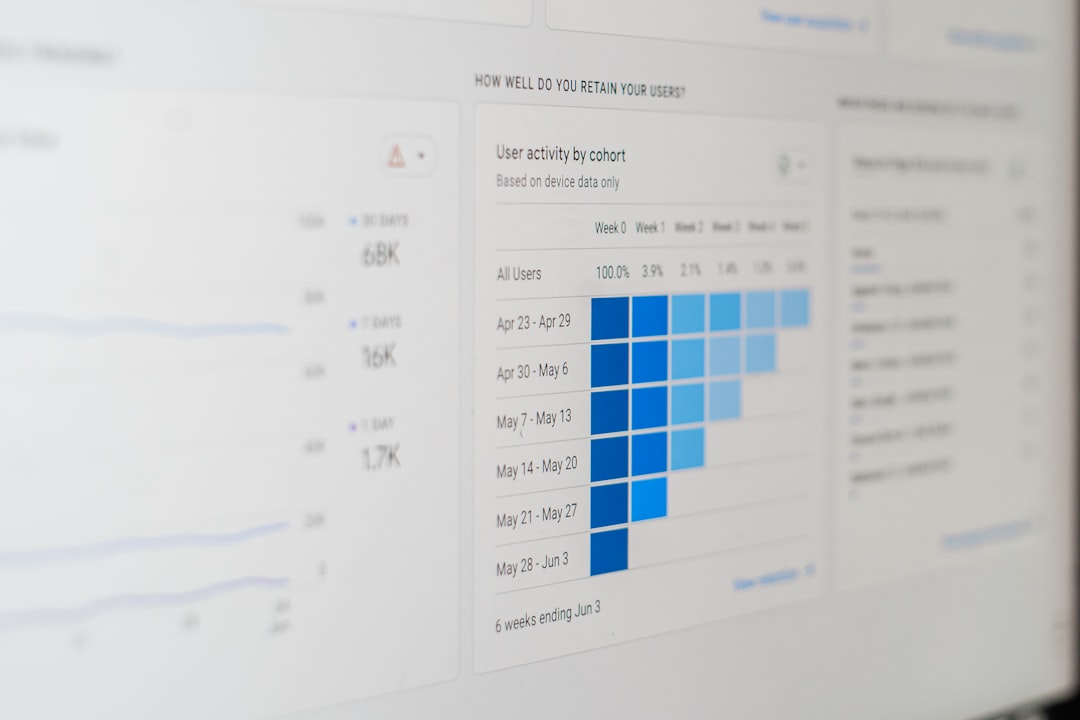
1. Triple Whale
Best for: Ecommerce brands seeking unified attribution.
Triple Whale has become a popular analytics solution among Shopify and direct-to-consumer brands. It centralizes ad data from TikTok, Meta, Google, and other platforms into a single dashboard, allowing marketers to view true revenue attribution in real time.
Key features include:
- AI-powered attribution modeling
- Creative performance breakdowns
- Blended ROAS calculations
- Automated reporting dashboards
- Pixel and server-side tracking
Triple Whale excels at solving attribution discrepancies between TikTok Ads Manager and actual store sales. Its ability to unify marketing and financial data makes it particularly valuable for fast-scaling ecommerce operations.
2. Hyros
Best for: Advanced multi-touch attribution and high-ticket sales.
Hyros focuses heavily on deep tracking accuracy. By leveraging server-side tracking, AI-based attribution, and long customer journey mapping, it captures conversions that might otherwise be lost due to iOS privacy changes or browser restrictions.
Core benefits include:
- Detailed buyer journey tracking
- Lifetime value (LTV) optimization
- Multi-campaign attribution visibility
- High precision traffic source identification
For brands running TikTok campaigns that drive webinar registrations, course sales, or high-ticket funnels, Hyros can provide granular insights often missing from native analytics.
3. Northbeam
Best for: Enterprise-level ecommerce brands.
Northbeam delivers predictive analytics and media mix modeling designed for scaling brands. It uses data modeling techniques to estimate incremental revenue impact from TikTok campaigns while offering multiple attribution views.

Notable features include:
- Multi-touch and first-click attribution models
- Creative analytics across channels
- Forecasting and revenue prediction
- Cohort-based performance measurement
Northbeam stands out by combining deterministic and modeled data, giving marketing teams a deeper understanding of how TikTok ads influence overall brand growth.
4. Supermetrics
Best for: Data-driven teams that want customizable reporting.
Unlike attribution-specific tools, Supermetrics focuses on data aggregation and automated reporting. It pulls TikTok ad data directly into platforms like Google Sheets, Excel, Google Data Studio, and BI tools.
Main advantages include:
- Automated data transfers
- Custom dashboard creation
- Cross-channel data blending
- Flexible reporting formats
For agencies managing multiple TikTok clients, Supermetrics can streamline performance reporting and eliminate manual data exports. While it doesn’t provide its own attribution modeling, it excels at data organization and visualization.
5. TikTok Ads Manager (Native Analytics)
Best for: Beginners and campaign-level optimization.
TikTok’s built-in Ads Manager offers a robust suite of analytics tools that many small and mid-sized advertisers rely on. It provides metrics such as impressions, clicks, CTR, conversions, CPM, CPA, and engagement breakdowns.
Built-in capabilities include:
- Demographic reporting
- Creative A/B testing insights
- Conversion tracking via TikTok Pixel
- Real-time performance data
Although native analytics are convenient and free, attribution limitations can arise when comparing TikTok performance with other marketing channels.

Comparison Chart: TikTok Ad Analytics Tools
| Tool | Best For | Attribution Modeling | Cross-Platform Reporting | Ideal Business Size |
|---|---|---|---|---|
| Triple Whale | Ecommerce brands | AI-powered blended attribution | Yes | Small to Mid-size Ecommerce |
| Hyros | High-ticket funnels | Advanced multi-touch | Yes | Mid-size to Large Businesses |
| Northbeam | Enterprise ecommerce | Predictive and multi-touch | Yes | Large Brands |
| Supermetrics | Custom reporting | No native model | Yes | Agencies and Data Teams |
| TikTok Ads Manager | Platform optimization | Platform-based attribution | Limited | All sizes |
How to Choose the Right Tool
Selecting the right TikTok ad analytics software depends on business goals, budget, and campaign complexity.
Organizations should consider:
- Data accuracy needs: Server-side tracking may be critical post-iOS updates.
- Budget: Advanced tools can range from moderate to premium pricing.
- Integration capabilities: Compatibility with ecommerce platforms and CRM systems.
- Reporting requirements: Custom dashboards versus simple insights.
- Team expertise: Some tools require technical knowledge to use effectively.
For small businesses new to TikTok advertising, starting with native analytics may be sufficient. Scaling brands, however, often require advanced attribution software to unlock full performance visibility.
Common Metrics to Track on TikTok Ads
Regardless of the tool selected, marketers should prioritize these metrics:
- Click-Through Rate (CTR)
- Cost Per Click (CPC)
- Cost Per Acquisition (CPA)
- Return on Ad Spend (ROAS)
- Customer Lifetime Value (LTV)
- Conversion Rate
Combining these metrics with predictive modeling and attribution insights enables advertisers to scale winning creatives and eliminate underperforming campaigns quickly.
Final Thoughts
TikTok advertising presents massive growth potential, but performance tracking must evolve alongside platform complexity. Third-party analytics tools offer deeper insights, improved conversion accuracy, and cross-channel clarity that native tools alone cannot always provide.
Whether a brand opts for enterprise-grade predictive modeling, ecommerce-focused dashboards, or custom reporting solutions, investing in the right analytics software can significantly impact profitability and long-term growth.
FAQ
1. Is TikTok Ads Manager enough for small businesses?
For many small businesses, TikTok Ads Manager provides sufficient insights for basic campaign optimization. However, as budgets grow, third-party tools can improve attribution accuracy and cross-channel visibility.
2. What is multi-touch attribution?
Multi-touch attribution assigns credit to multiple touchpoints along a customer’s journey rather than only the final click. This provides a more complete view of how TikTok ads contribute to conversions.
3. Why is server-side tracking important?
Server-side tracking reduces data loss caused by browser restrictions and privacy updates, improving conversion accuracy and campaign reporting reliability.
4. Which tool is best for ecommerce brands?
Triple Whale and Northbeam are particularly strong options for ecommerce businesses due to their revenue-focused dashboards and attribution capabilities.
5. Do agencies need a separate analytics tool?
Agencies managing multiple accounts often benefit from tools like Supermetrics, which automate reporting and centralize cross-platform data.
6. Can these tools replace TikTok Ads Manager?
Most third-party tools complement rather than replace TikTok Ads Manager. Advertisers still use the native platform to create and manage campaigns while leveraging external tools for deeper analysis.