As the no-code and low-code ecosystem matures, many developers and product teams are reevaluating the tools they use to build and maintain mobile applications. Thunkable has long been a popular choice for creating cross-platform mobile apps with minimal code, but changing pricing models, performance considerations, customization limits, or scalability needs often push teams to explore alternatives. Choosing a replacement is not simply about feature parity—it requires evaluating long-term viability, extensibility, control over code, and integration flexibility.
TLDR: Developers replacing Thunkable typically compare Adalo, FlutterFlow, Bubble, React Native, and MIT App Inventor. The decision usually hinges on flexibility, scalability, cost, and the level of coding control required. No-code tools like Adalo and Bubble prioritize speed and simplicity, while FlutterFlow and React Native offer greater customization and long-term scalability. Teams must balance ease of use with performance and future growth.
Below are five of the most commonly compared platforms when teams consider moving away from Thunkable, along with a detailed breakdown of their strengths, trade-offs, and ideal use cases.
1. Adalo
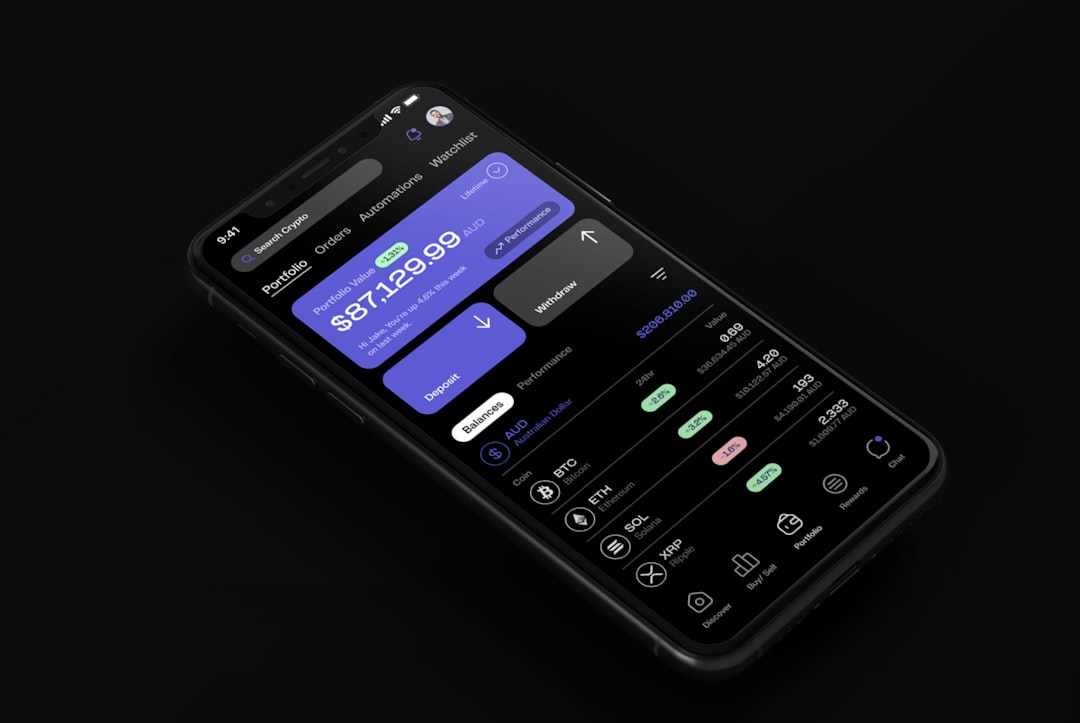
Adalo is often the first stop for teams wanting to remain in the no-code ecosystem while gaining a slightly different workflow and structure. It focuses strongly on database-driven applications and aims to simplify app publishing for both iOS and Android.
Key Advantages
- User-friendly drag-and-drop builder
- Integrated database capabilities
- Simple cross-platform publishing
- Growing marketplace of components
Potential Limitations
- Limited customization beyond predefined components
- Performance challenges in highly complex apps
- Dependency on Adalo-hosted infrastructure in many plans
Developers who choose Adalo typically prioritize speed and non-technical team collaboration. It works well for MVPs, internal business tools, and simple marketplace-style apps. However, for advanced logic or highly customized UI interactions, teams may find constraints similar to what they experienced in Thunkable.
2. FlutterFlow
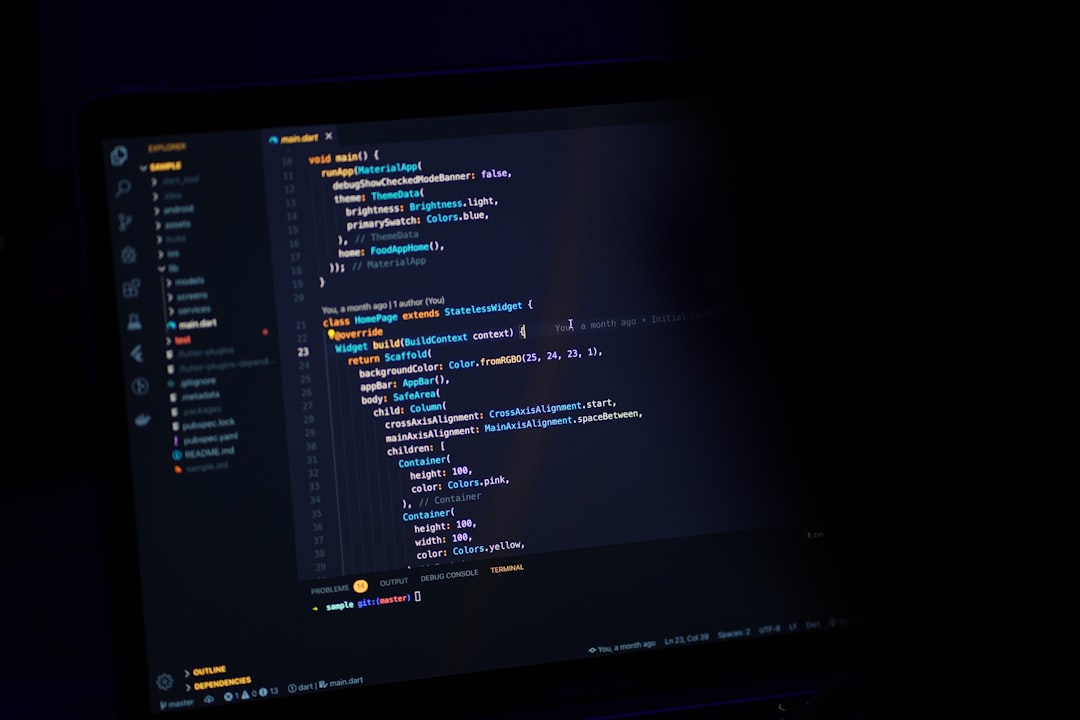
FlutterFlow has gained substantial traction because it bridges the gap between no-code builders and full-code development. Built on Google’s Flutter framework, it allows visual app building while also giving developers access to the generated Flutter code.
Key Advantages
- Exports clean Flutter code for full ownership
- High performance through native Flutter rendering
- Advanced UI customization
- Strong Firebase integration
Potential Limitations
- Steeper learning curve than pure no-code tools
- Advanced features may require coding knowledge
- More complex setup compared to fully managed platforms
For teams that outgrow Thunkable’s abstraction limits but are not ready to fully commit to React Native or native development, FlutterFlow offers a compelling transition path. It is particularly attractive to startups planning for long-term growth, as the exported code can be extended independently of the platform.
3. Bubble
Although Bubble is primarily recognized as a web app builder, many developers compare it when leaving Thunkable because it supports responsive web apps and mobile-friendly progressive web apps (PWAs). For certain business cases, this eliminates the need for fully native mobile apps.
Key Advantages
- Powerful backend workflows and database logic
- Extensive plugin ecosystem
- Strong community and documentation
- Ideal for SaaS products and marketplaces
Potential Limitations
- Not a true native mobile solution by default
- Performance tied to Bubble’s hosting environment
- Scaling costs can increase significantly
Bubble appeals to founders who realize that much of Thunkable’s perceived need for a native app could be served through a robust, mobile-optimized web platform. Developers comparing these platforms should carefully assess whether app store distribution is essential to their product strategy.
4. React Native
For teams ready to move beyond no-code entirely, React Native is one of the most frequently evaluated frameworks. Backed by Meta and supported by a vast developer community, it allows cross-platform development using JavaScript and React.

Key Advantages
- Full control over codebase and architecture
- Large ecosystem and community support
- High performance close to native standards
- Long-term scalability and flexibility
Potential Limitations
- Requires experienced developers
- Longer development timelines
- No visual drag-and-drop builder
React Native is typically chosen by companies that have secured funding or validated their product and now want complete control over infrastructure. While it introduces more complexity compared to Thunkable, it eliminates many of the constraints associated with no-code platforms.
5. MIT App Inventor
MIT App Inventor shares similarities with Thunkable’s block-based programming model. It is often compared by educators, experimental developers, and those who prefer an open and educational framework.
Key Advantages
- Free and open-source foundation
- Visual block coding environment
- Ideal for educational and prototype use
Potential Limitations
- Limited commercial scalability
- Android-focused with fewer advanced capabilities
- Less polished UI compared to modern competitors
While it may not match the commercial readiness of FlutterFlow or React Native, MIT App Inventor remains a credible option for rapid experimentation and academic projects. However, it is rarely the final destination for production-scale applications.
Comparison Chart: Key Differences at a Glance
| Platform | Code Access | Ease of Use | Scalability | Best For |
|---|---|---|---|---|
| Adalo | Limited | Very High | Moderate | MVPs, small business apps |
| FlutterFlow | Full Flutter export | Moderate | High | Startups planning long-term growth |
| Bubble | Limited direct code export | Moderate | Moderate to High | SaaS and web-first products |
| React Native | Full control | Low (requires skill) | Very High | Funded startups, enterprise apps |
| MIT App Inventor | Open source blocks | High | Low to Moderate | Education, prototypes |
Critical Factors Developers Should Evaluate
Switching from Thunkable is rarely just about features. Decision-makers should assess several strategic elements before committing:
- Ownership: Can you export and maintain your code independently?
- Performance Requirements: Does your app involve heavy animations, real-time data, or large user bases?
- Team Expertise: Do you have developers capable of maintaining custom code?
- Integration Needs: Will you rely on external APIs, payment processors, or enterprise systems?
- Cost Over Time: What are the projected expenses at 10,000 or 100,000 users?
In many cases, teams realize that while Thunkable was ideal for rapid validation, their next phase demands a platform with deeper customization, optimized performance, or more predictable scaling costs.
Making a Strategic Transition
Replacing a mobile development platform requires thoughtful migration planning. Data models may need to be rebuilt, UI patterns adjusted, and backend configurations redesigned. A rushed switch can introduce technical debt that outweighs the benefits of the new system.
Many organizations adopt a phased approach:
- Rebuild core functionality in the new platform.
- Run parallel beta testing.
- Migrate user data carefully.
- Gradually phase out the old app version.
This structured transition reduces user disruption and mitigates technical risk.
Final Thoughts
There is no universal “best” platform to replace Thunkable. The right choice depends on product maturity, available technical skills, budget constraints, and long-term strategic goals. Adalo and MIT App Inventor appeal to simplicity and rapid development. Bubble provides backend power for web-first businesses. FlutterFlow offers a strong hybrid bridge between no-code and traditional development. React Native delivers full ownership and scalability for teams prepared to handle complexity.
A careful, requirements-driven evaluation—rather than a reaction to short-term frustrations—will ultimately determine whether the replacement platform becomes a limitation or a long-term asset. Serious developers treat this decision not as a tool swap, but as a foundational shift in their product’s technological future.