Artificial intelligence has moved far beyond futuristic hype. Today, AI agents are autonomously managing workflows, answering customer inquiries, analyzing data, generating content, and even writing code. Businesses of every size are integrating these intelligent systems to reduce operational costs, increase productivity, and unlock new levels of insight. What once required entire teams can now be streamlined with the help of powerful AI-driven automation tools.
TLDR: AI agents are revolutionizing business automation by handling tasks ranging from customer service and data analysis to project management and content creation. Industry leaders like ChatGPT, Microsoft Copilot, Salesforce Einstein, and UiPath are reshaping how companies operate. These tools increase efficiency, reduce human error, and allow teams to focus on strategic growth. Below are ten of the most notable AI agents currently transforming business operations.
Let’s explore the 10 most notable AI agents transforming business automation today.
1. ChatGPT (OpenAI)
ChatGPT has become one of the most versatile AI agents in business. Integrated across websites, customer service platforms, and internal tools, it can draft emails, write reports, summarize documents, and power customer support chatbots.
Businesses use ChatGPT to:
- Automate customer service interactions
- Generate marketing content
- Create internal documentation
- Assist with data interpretation
Its strength lies in natural-sounding conversation and contextual understanding, allowing it to serve as both a front-facing assistant and a back-office productivity booster.

2. Microsoft Copilot
Microsoft Copilot is deeply embedded within tools like Word, Excel, Outlook, and Teams. Rather than functioning as a standalone chatbot, it lives directly inside daily workflows.
Key capabilities include:
- Summarizing email chains
- Drafting documents from prompts
- Generating Excel formulas and insights
- Automating meeting summaries in Teams
This tight integration into existing software makes Copilot especially powerful for enterprises seeking seamless automation without adding entirely new systems.
3. Salesforce Einstein
Salesforce Einstein brings predictive AI directly into customer relationship management (CRM). It analyzes customer data to forecast trends, recommend next actions, and score leads.
Businesses benefit from:
- Predictive sales insights
- Automated customer segmentation
- Personalized marketing recommendations
- Intelligent workflow automations
By transforming massive datasets into actionable insights, Einstein allows sales and marketing teams to operate more strategically and efficiently.
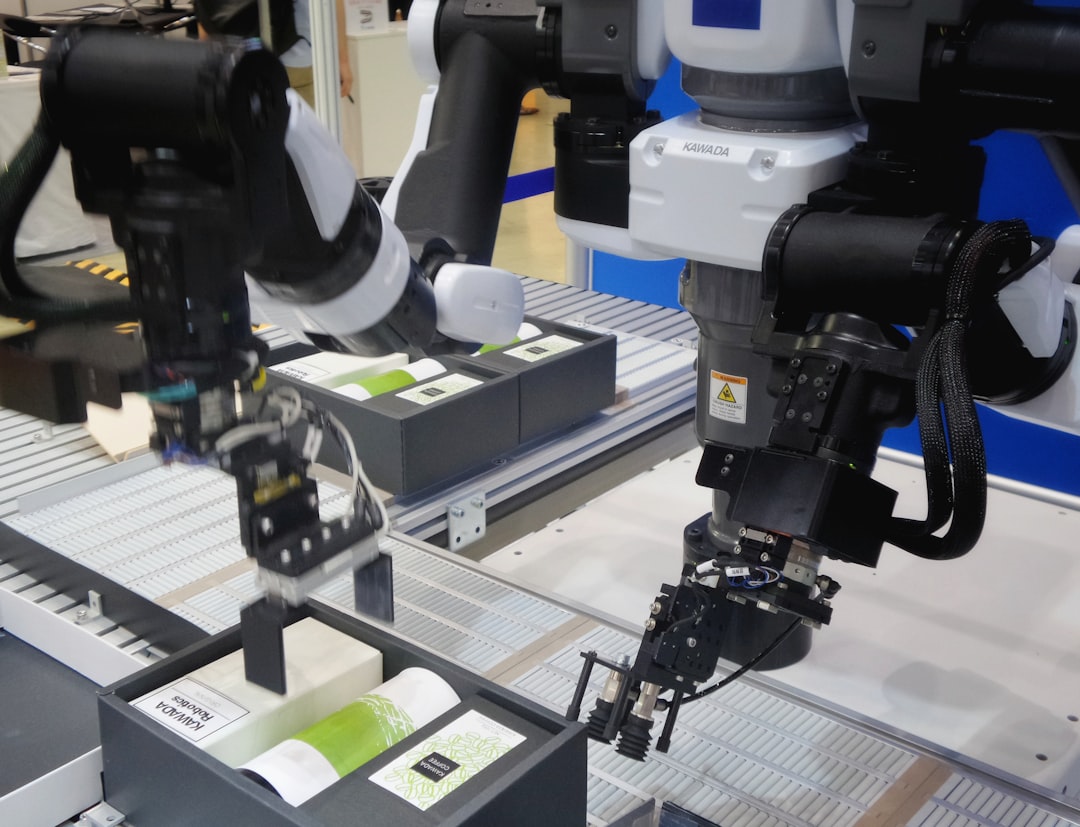
4. UiPath AI Agents
UiPath is a leader in robotic process automation (RPA), and its AI-powered agents take automation even further. These bots handle repetitive digital tasks traditionally performed by humans.
Common use cases include:
- Invoice processing
- Payroll automation
- Data entry tasks
- Compliance checks
When repetitive work is automated, employees can shift their focus toward higher-level strategic initiatives.
5. IBM Watsonx
IBM Watsonx combines machine learning, natural language processing, and data governance in one enterprise-ready platform. Watson has evolved into a highly specialized AI solution for regulated industries such as healthcare and finance.
Standout features:
- Advanced data analysis
- AI governance tools
- Custom enterprise model training
- Risk and compliance monitoring
It is particularly valuable for large corporations with strict regulatory requirements.
6. Google Gemini for Workspace
Google Gemini enhances Google Workspace apps like Gmail, Docs, Sheets, and Meet. Similar to Copilot, it acts as a productivity layer embedded directly into collaborative tools.
Capabilities include:
- Drafting and refining emails
- Generating slide presentations
- Auto-summarizing documents
- Assisting with spreadsheet analysis
Its integration across Google’s ecosystem makes workflow automation feel intuitive and accessible.
7. ServiceNow AI
ServiceNow AI focuses on automating IT service management and enterprise workflows. Its intelligent agents categorize tickets, predict resolution paths, and streamline approvals.
Primary applications:
- IT helpdesk automation
- HR case management
- Operations workflow optimization
- Risk mitigation processes
For enterprises with heavy service operations, ServiceNow AI reduces bottlenecks and accelerates resolution times.
8. Zapier AI
Zapier has long been known for no-code automation. With the addition of AI agents, it now goes beyond trigger-based workflows.
Zapier AI can:
- Interpret natural language commands
- Build workflows automatically
- Connect multiple apps dynamically
- Send intelligent reports and alerts
This makes powerful automation accessible even to non-technical users.

9. HubSpot AI
HubSpot AI enhances marketing, sales, and customer service operations within its CRM platform. It assists with content generation, customer targeting, and lead nurturing.
Popular features include:
- Email campaign automation
- AI-generated blog content
- Smart lead scoring
- Customer sentiment analysis
For growing businesses, HubSpot AI simplifies complex marketing funnels while maintaining personalization.
10. AutoGPT and Autonomous Agents
AutoGPT-style agents represent a new frontier in business automation. Unlike prompt-based systems, these agents can autonomously plan, execute, and refine tasks with limited human intervention.
Potential applications:
- Market research automation
- Competitive analysis
- Automated software prototyping
- Investment research
Although still evolving, autonomous agents could soon manage complex, multi-step business objectives independently.
Comparison Chart of Notable AI Agents
| AI Agent | Primary Focus | Best For | Integration Level |
|---|---|---|---|
| ChatGPT | Conversational AI | Customer support, content | API and platform based |
| Microsoft Copilot | Office productivity | Enterprise workflows | Deep Microsoft 365 integration |
| Salesforce Einstein | CRM intelligence | Sales and marketing teams | Native to Salesforce |
| UiPath | Robotic automation | Operations and finance | System level automation |
| IBM Watsonx | Enterprise AI platform | Regulated industries | Custom deployment |
| Google Gemini | Workspace productivity | Collaborative teams | Google Workspace native |
| ServiceNow AI | Service workflows | IT and HR departments | ServiceNow platform |
| Zapier AI | No code automation | Small businesses | Multi app integrations |
| HubSpot AI | Marketing automation | Growing companies | HubSpot CRM native |
| AutoGPT Agents | Autonomous task execution | Advanced experimentation | Standalone frameworks |
Why AI Agents Matter for the Future of Business
The common thread across all these tools is simple: intelligent automation. Rather than replacing humans, these AI agents augment decision-making, reduce repetitive labor, and enable teams to act faster with better data.
Businesses implementing AI agents often report:
- Lower operational costs
- Faster response times
- Increased data accuracy
- Improved employee satisfaction
As AI infrastructure matures, we’ll likely see systems that combine multiple agents working collaboratively—handling sales, finance, operations, and customer success in coordinated ecosystems.
The transformation is already well underway. Companies that adopt AI agents strategically are not just improving efficiency; they are fundamentally redefining how work gets done. In an increasingly competitive global market, intelligent automation is no longer optional—it is a decisive advantage.